



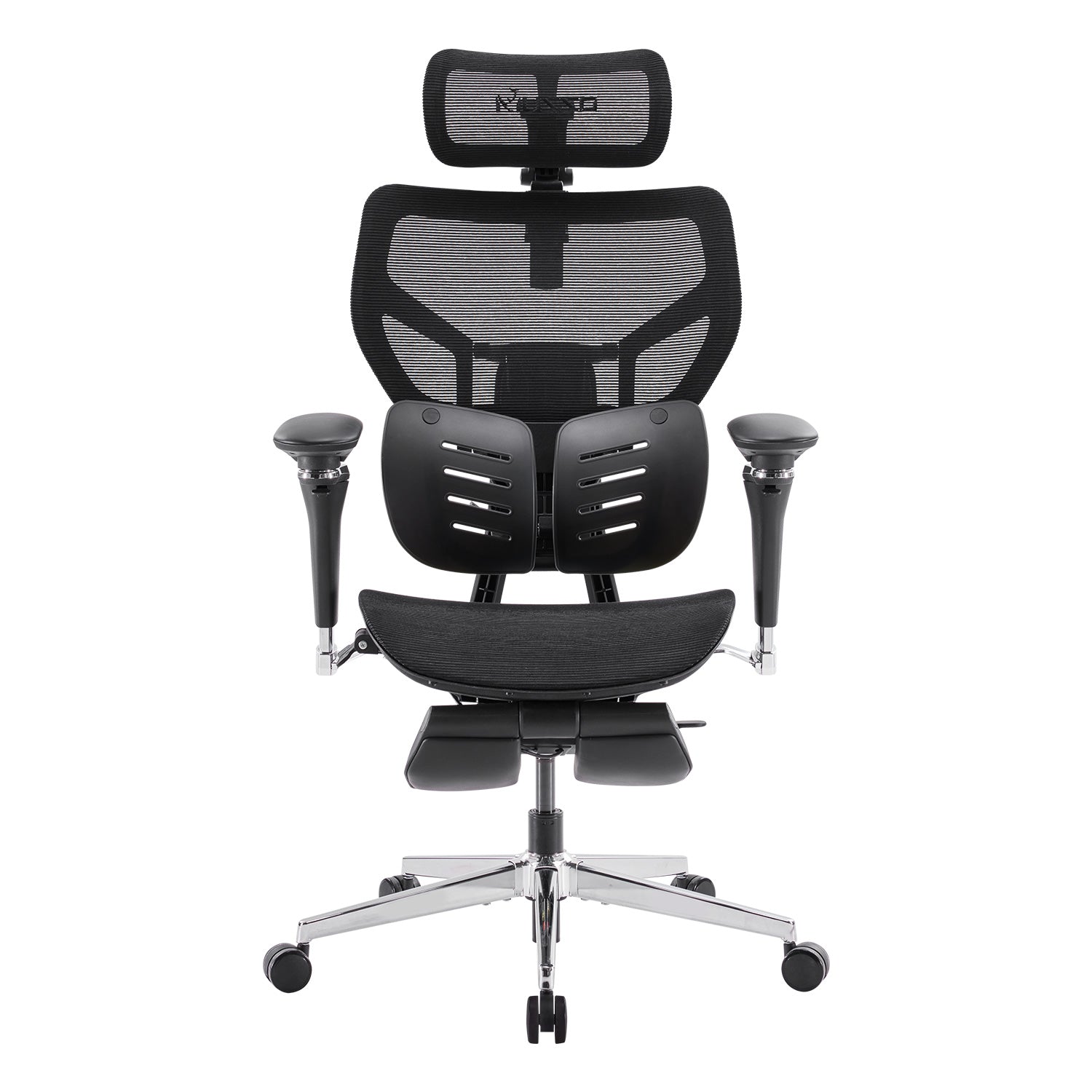
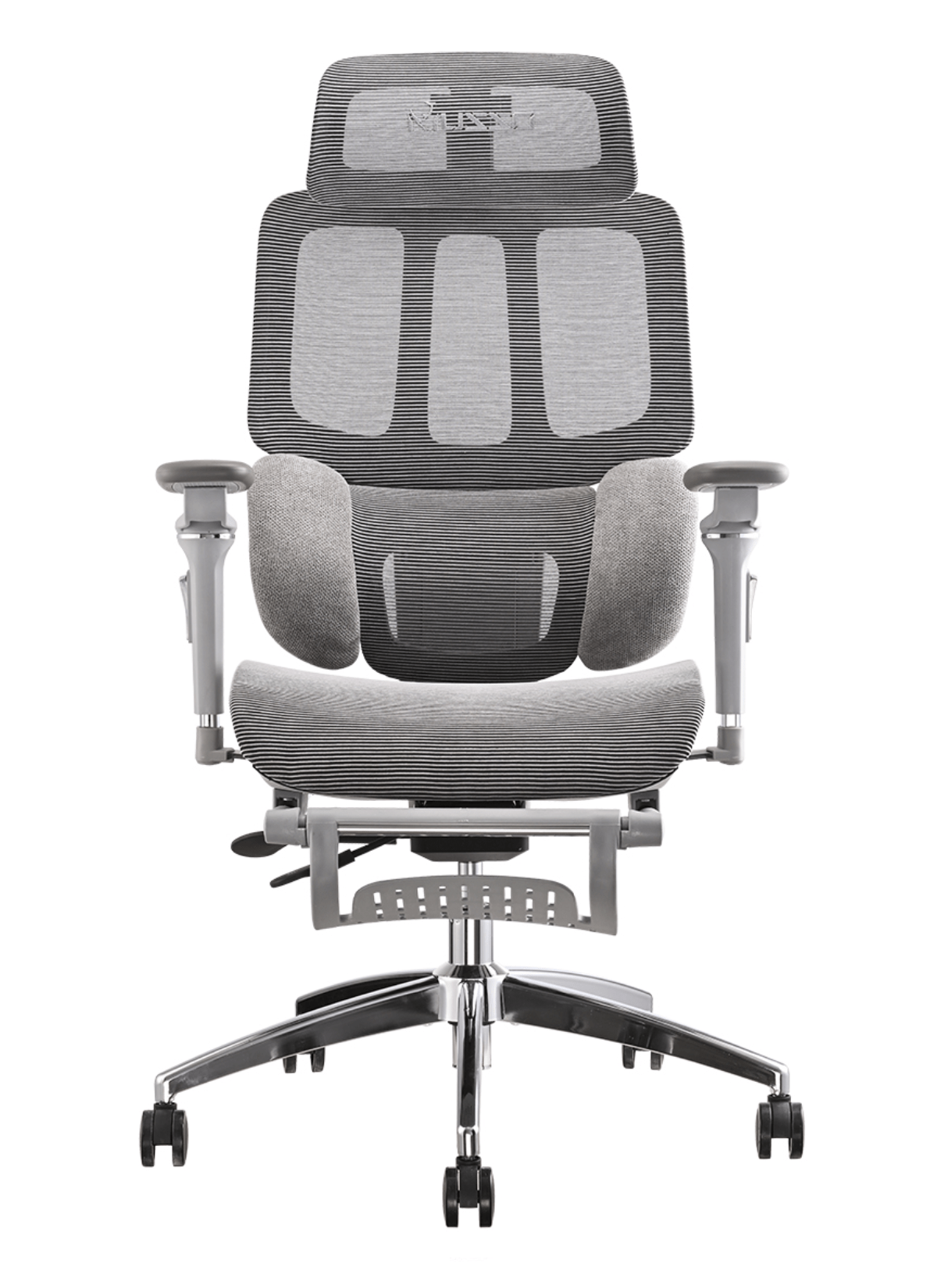
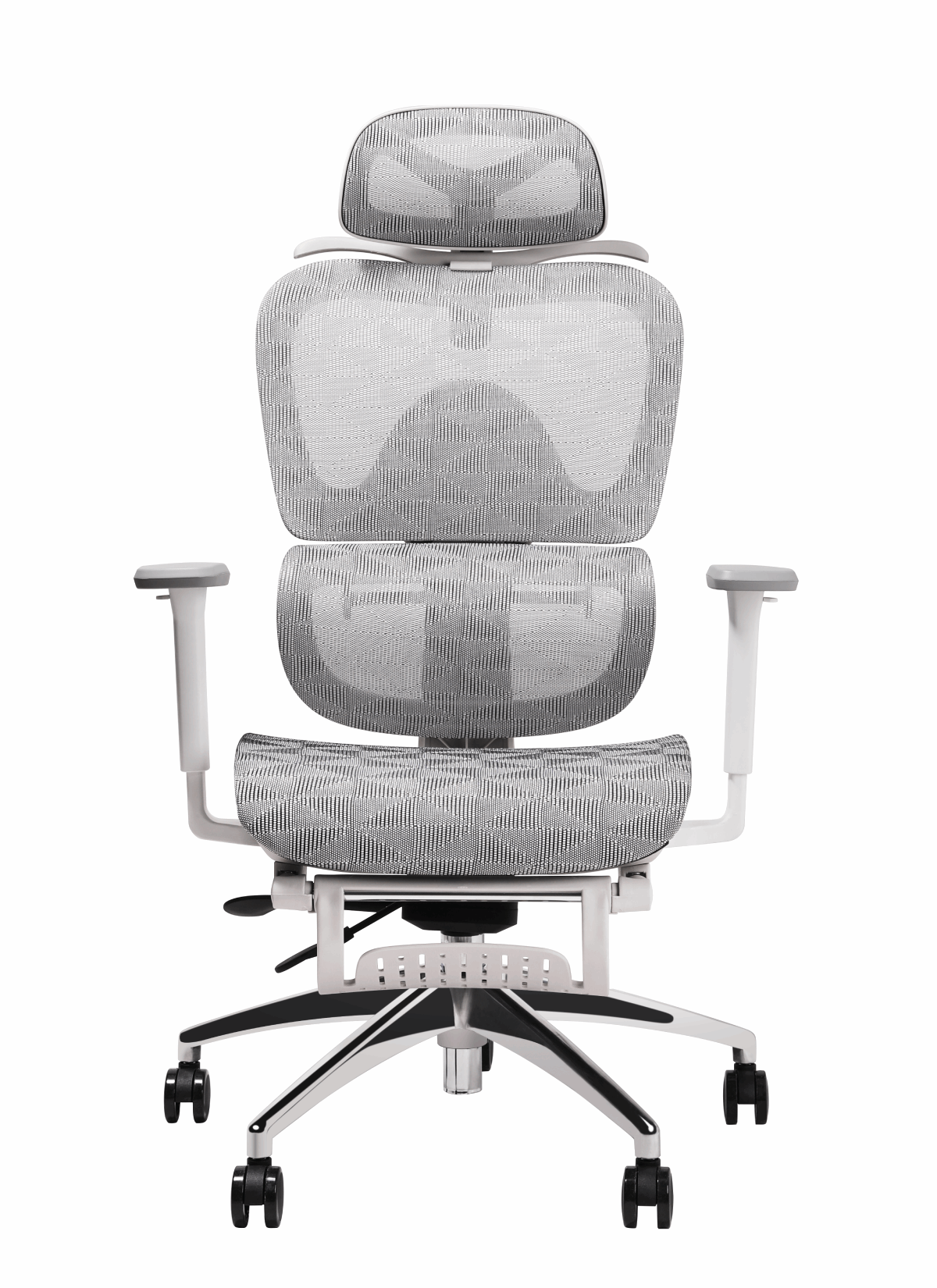
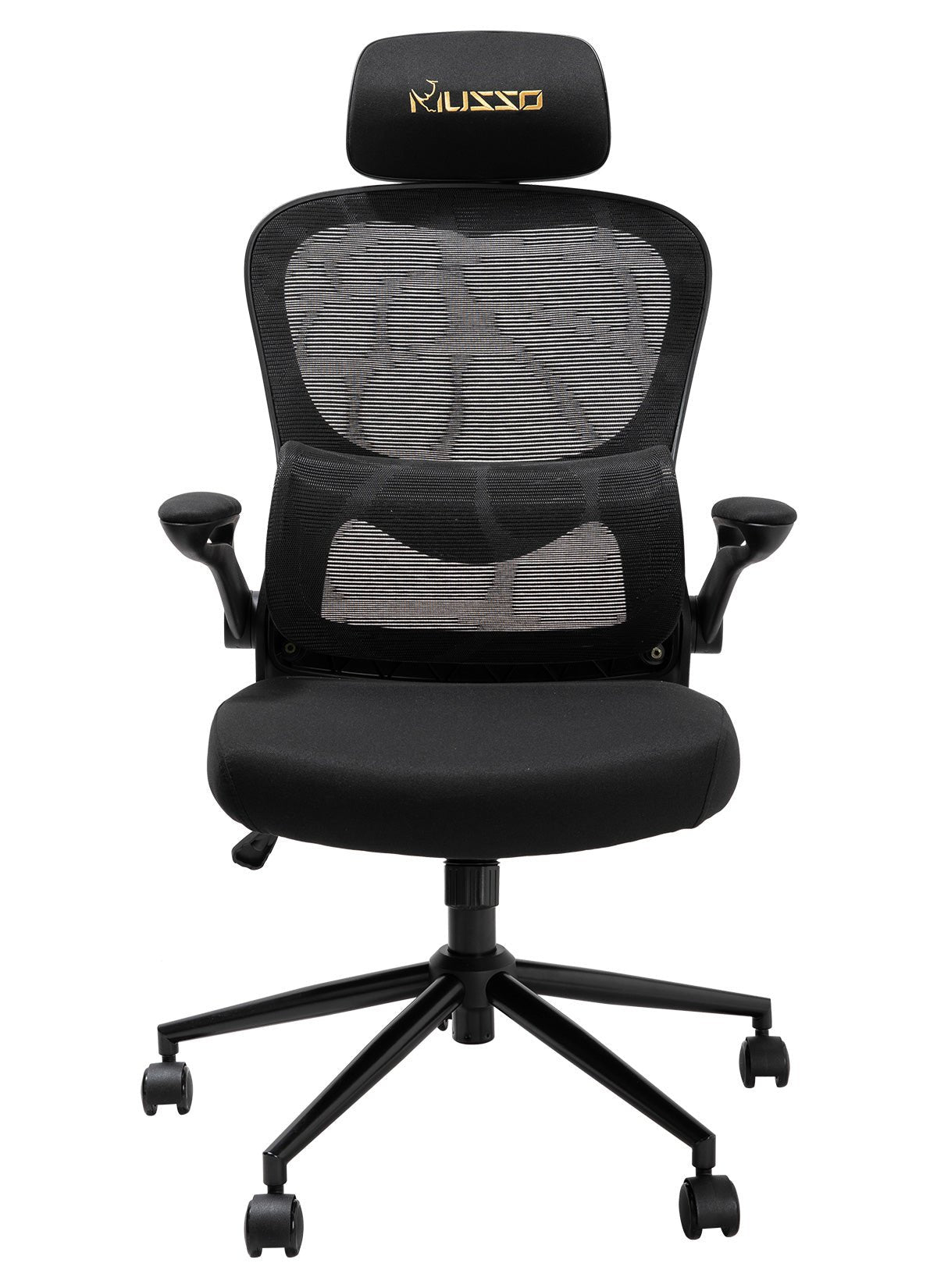
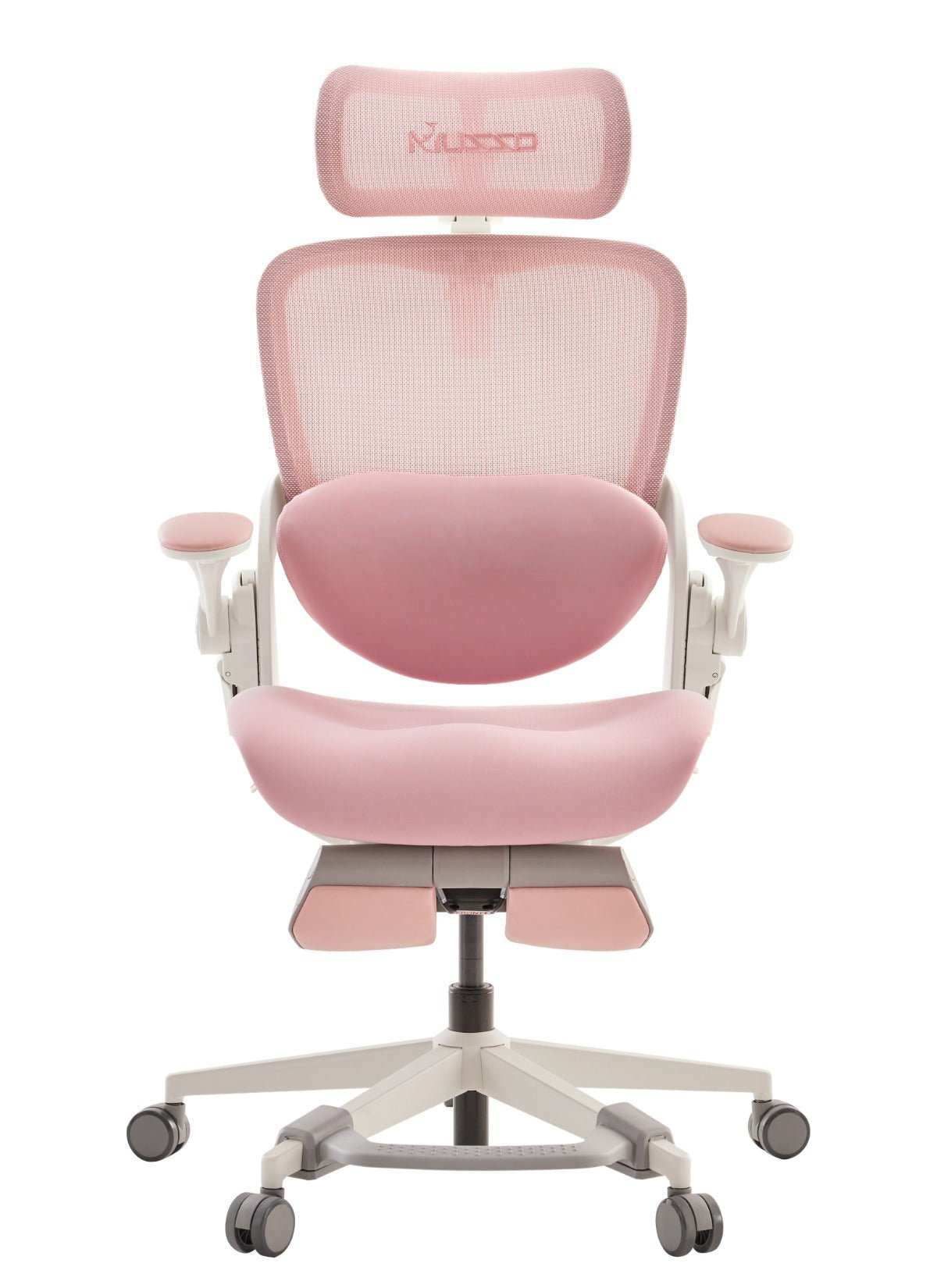

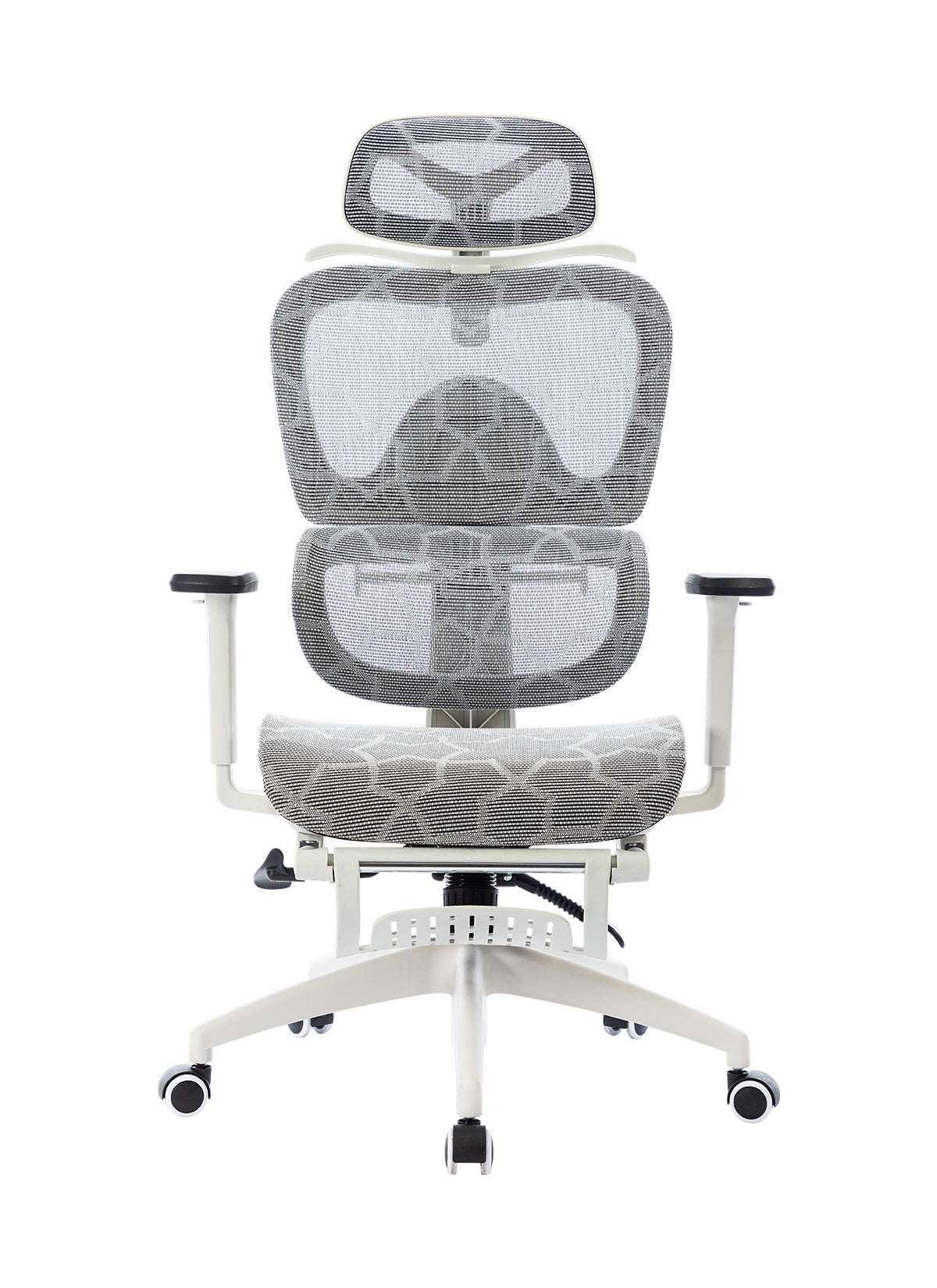
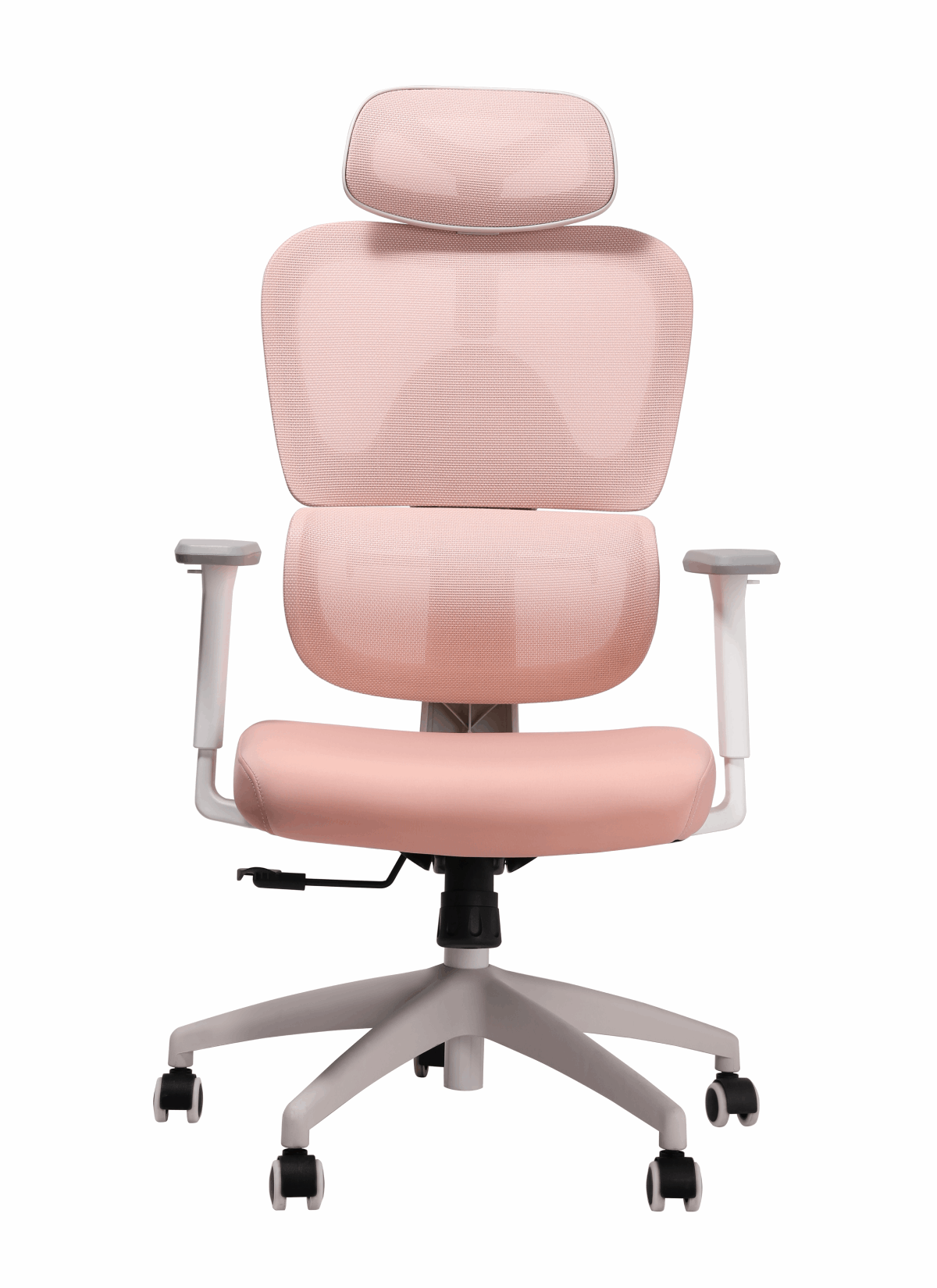

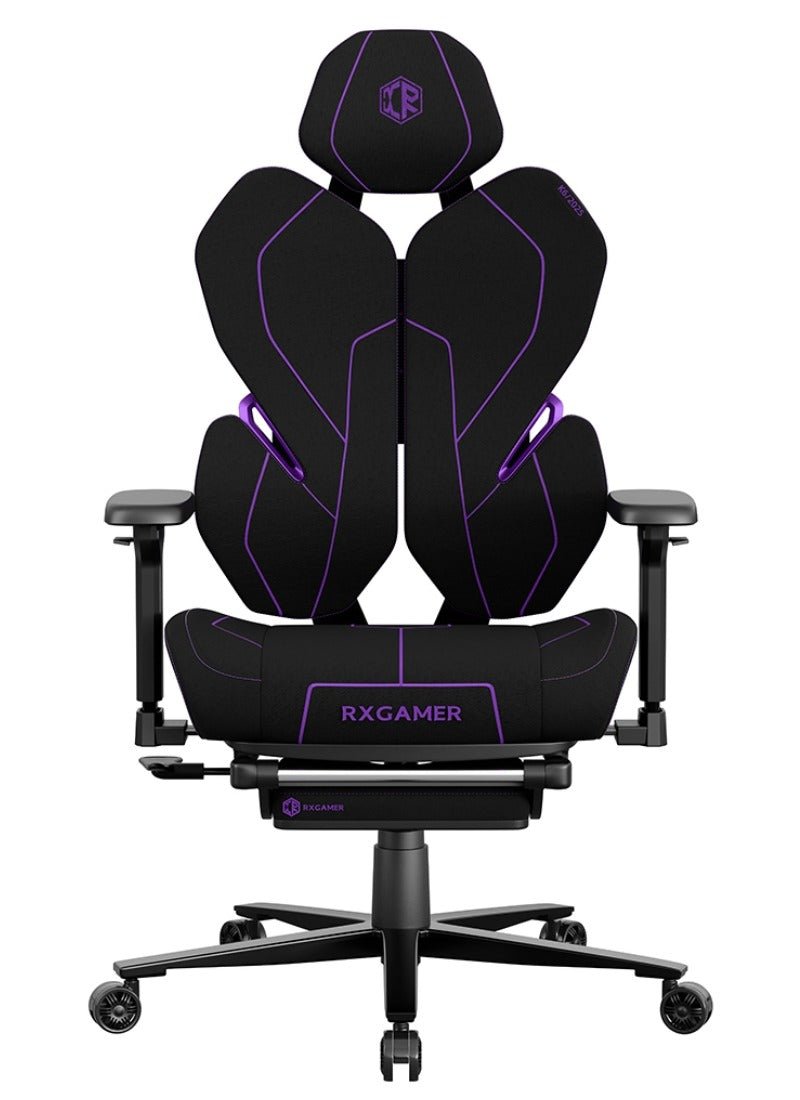
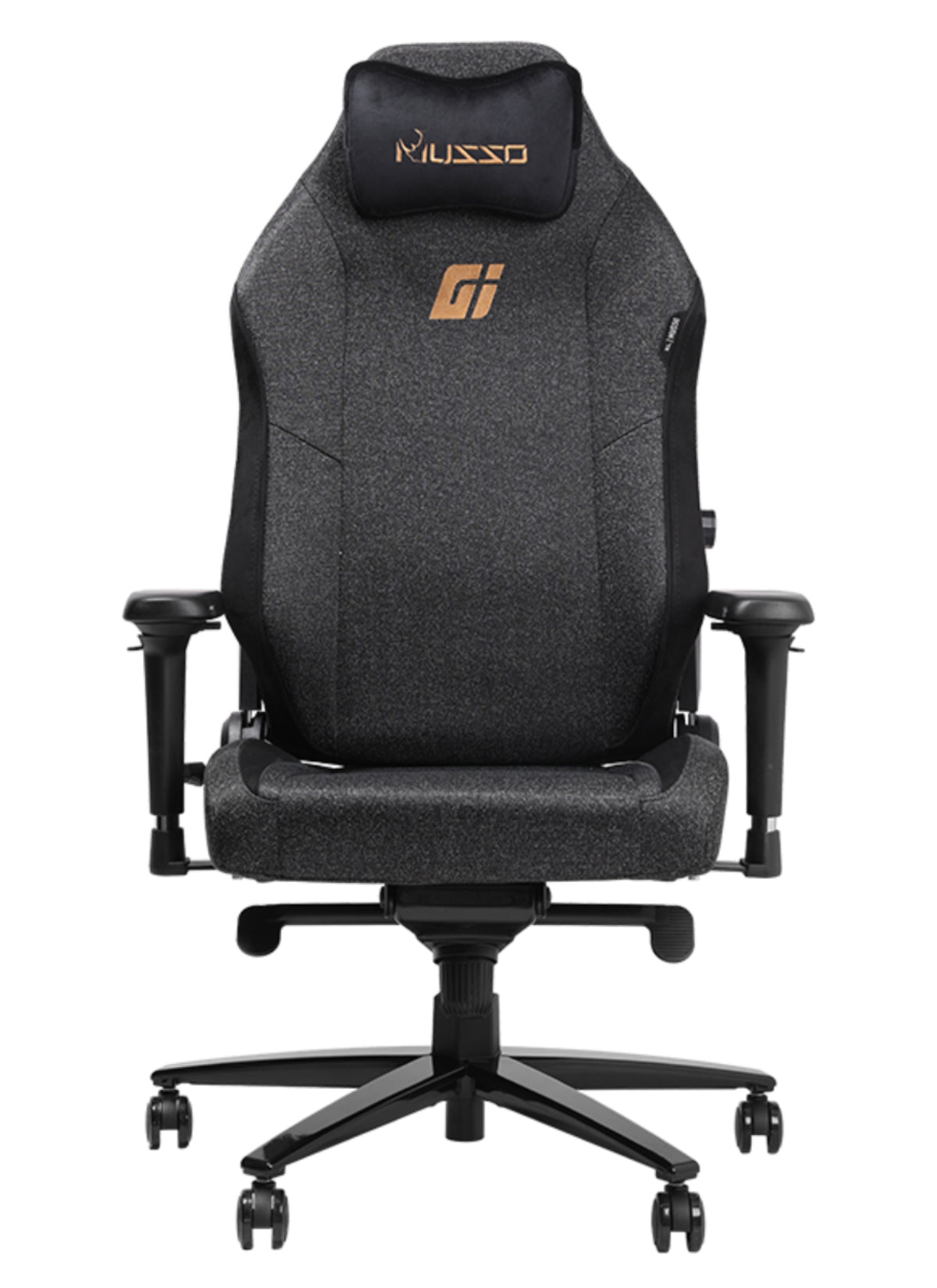
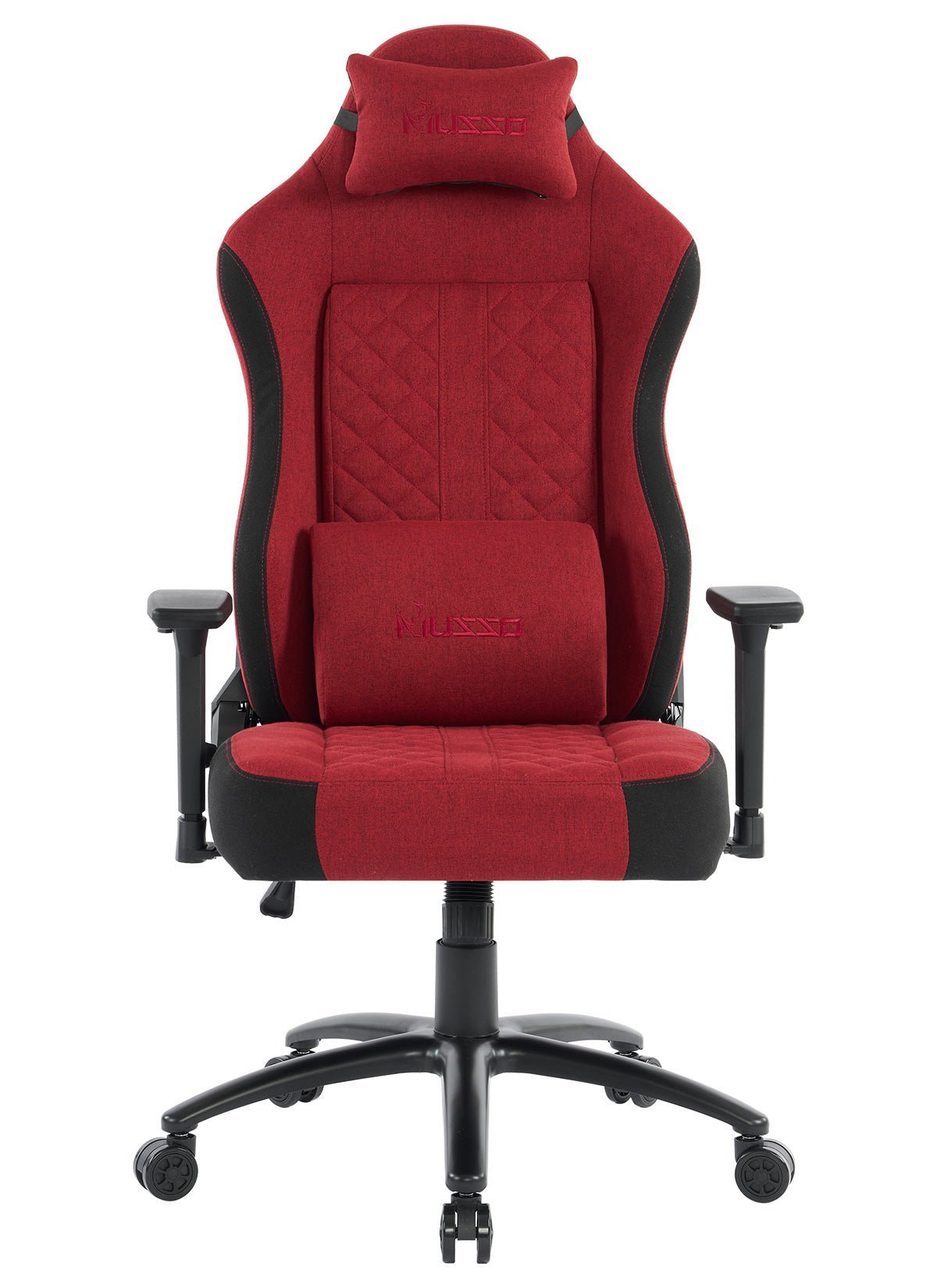
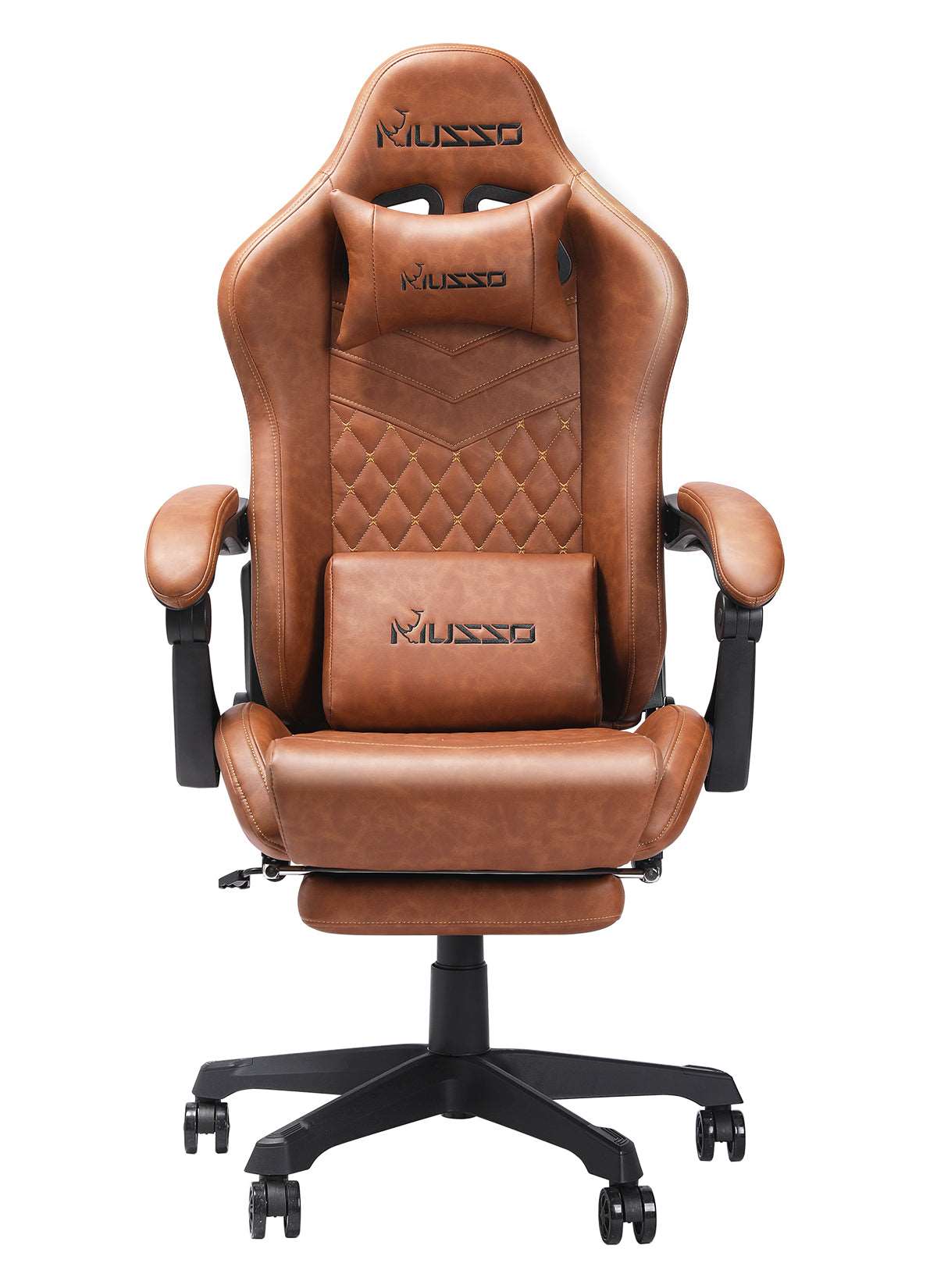
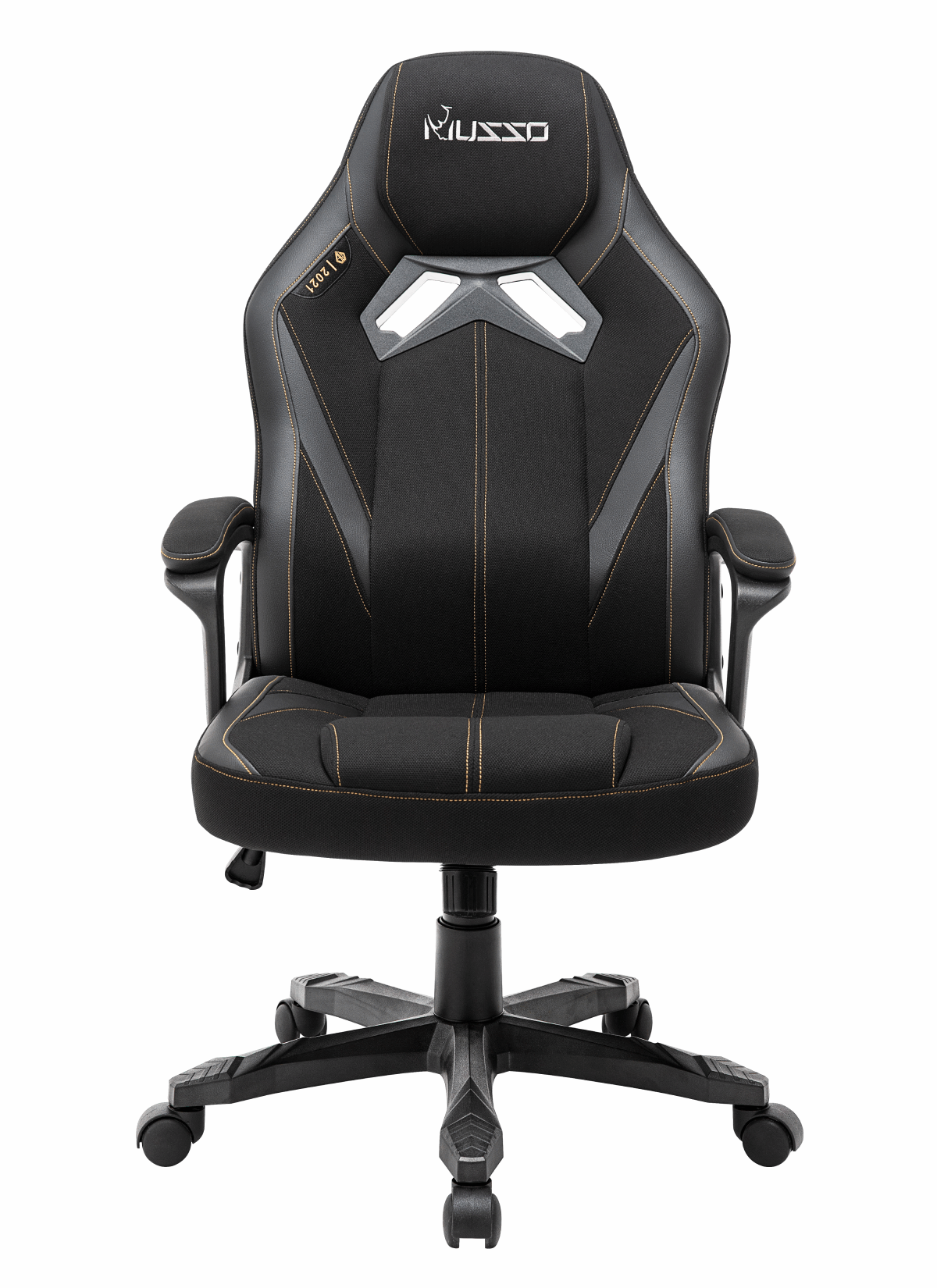
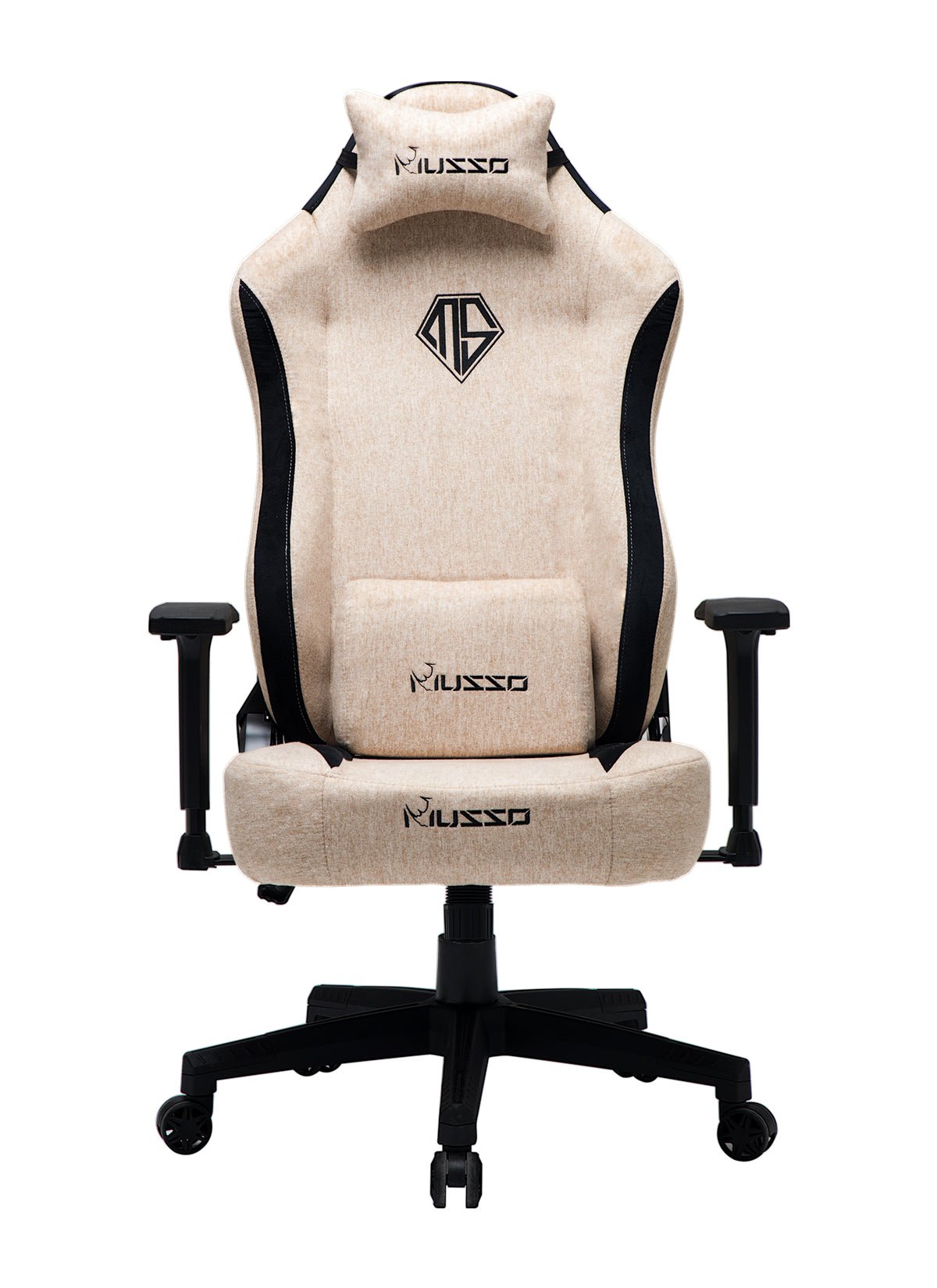
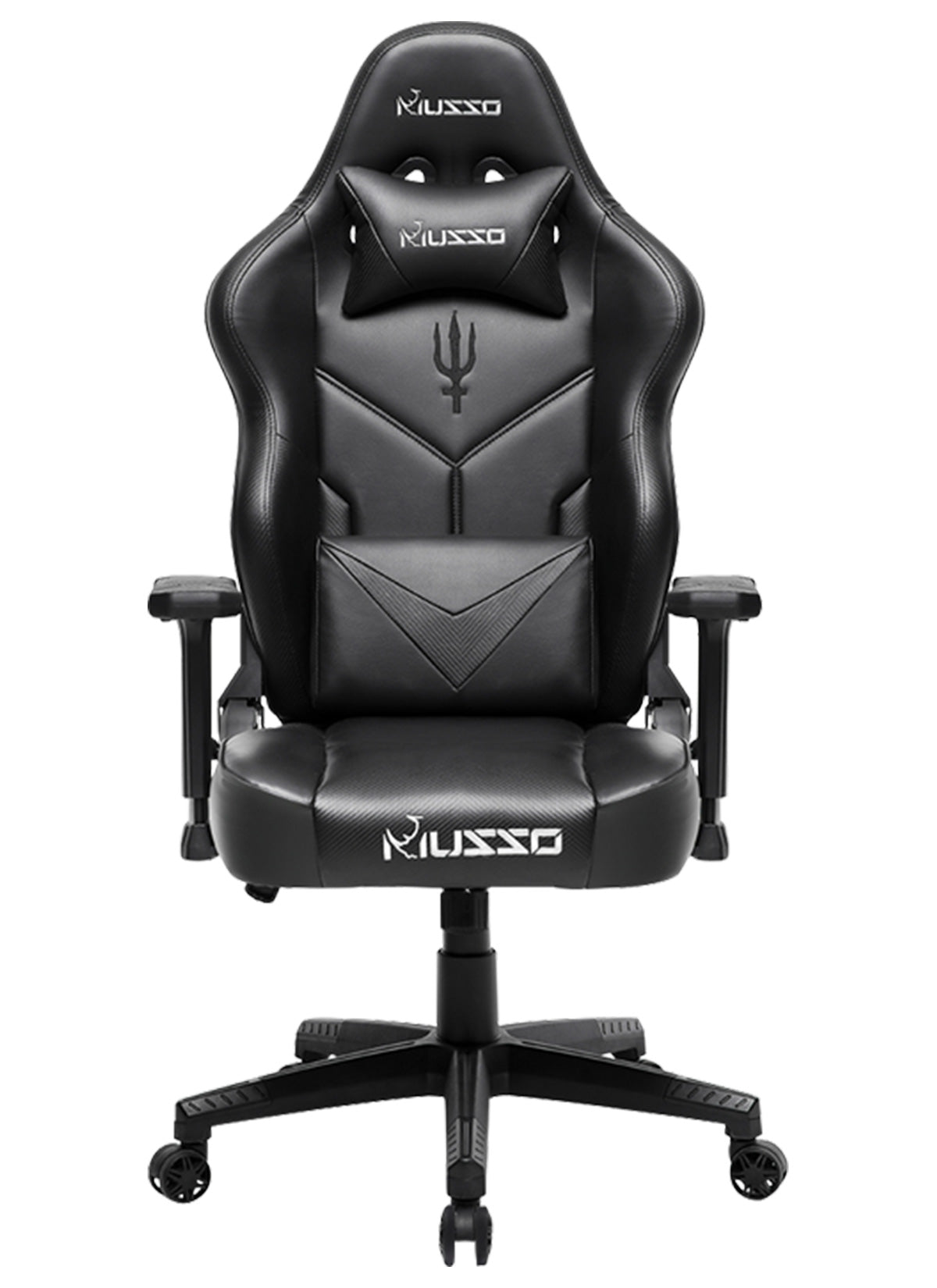
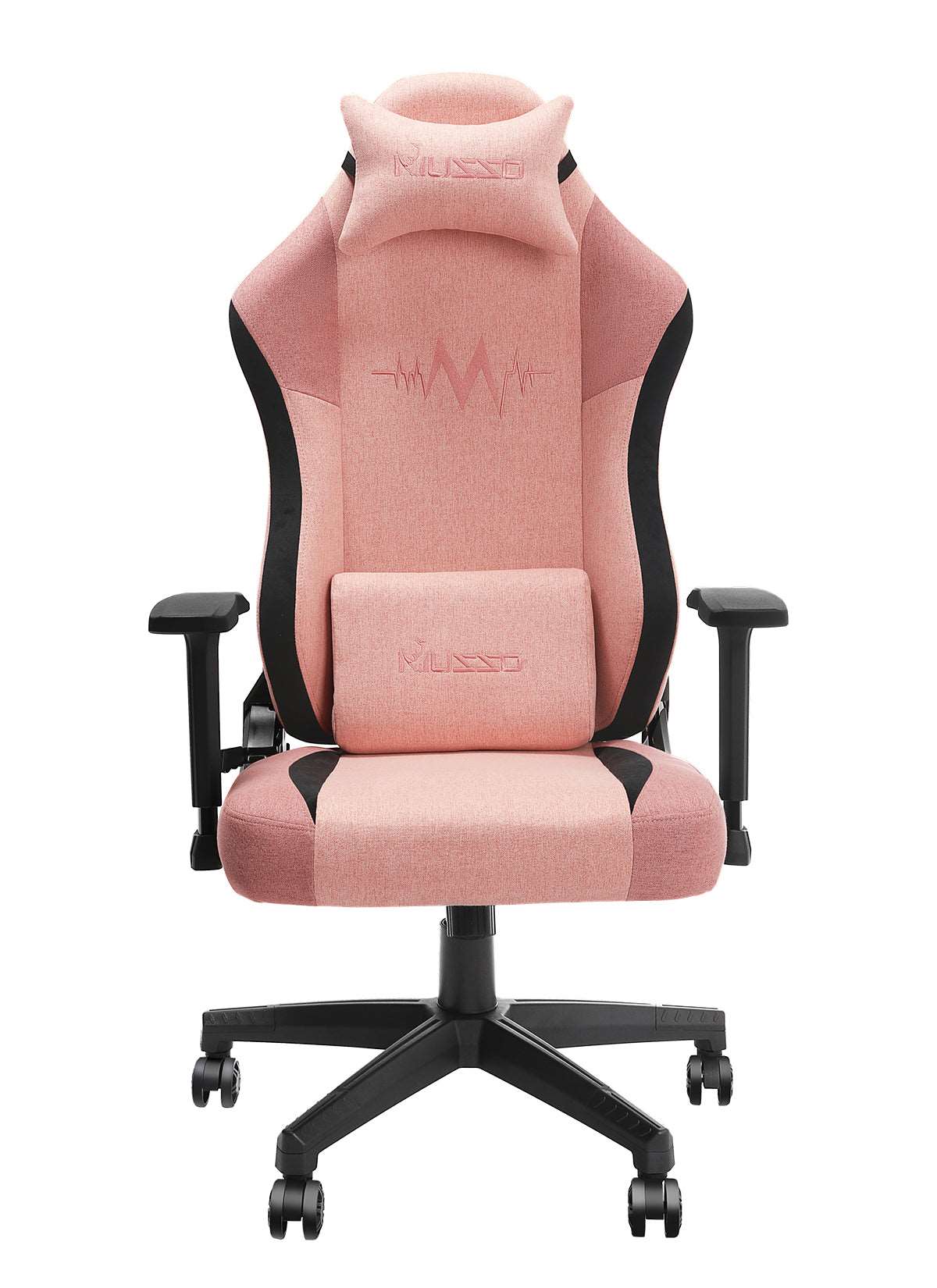
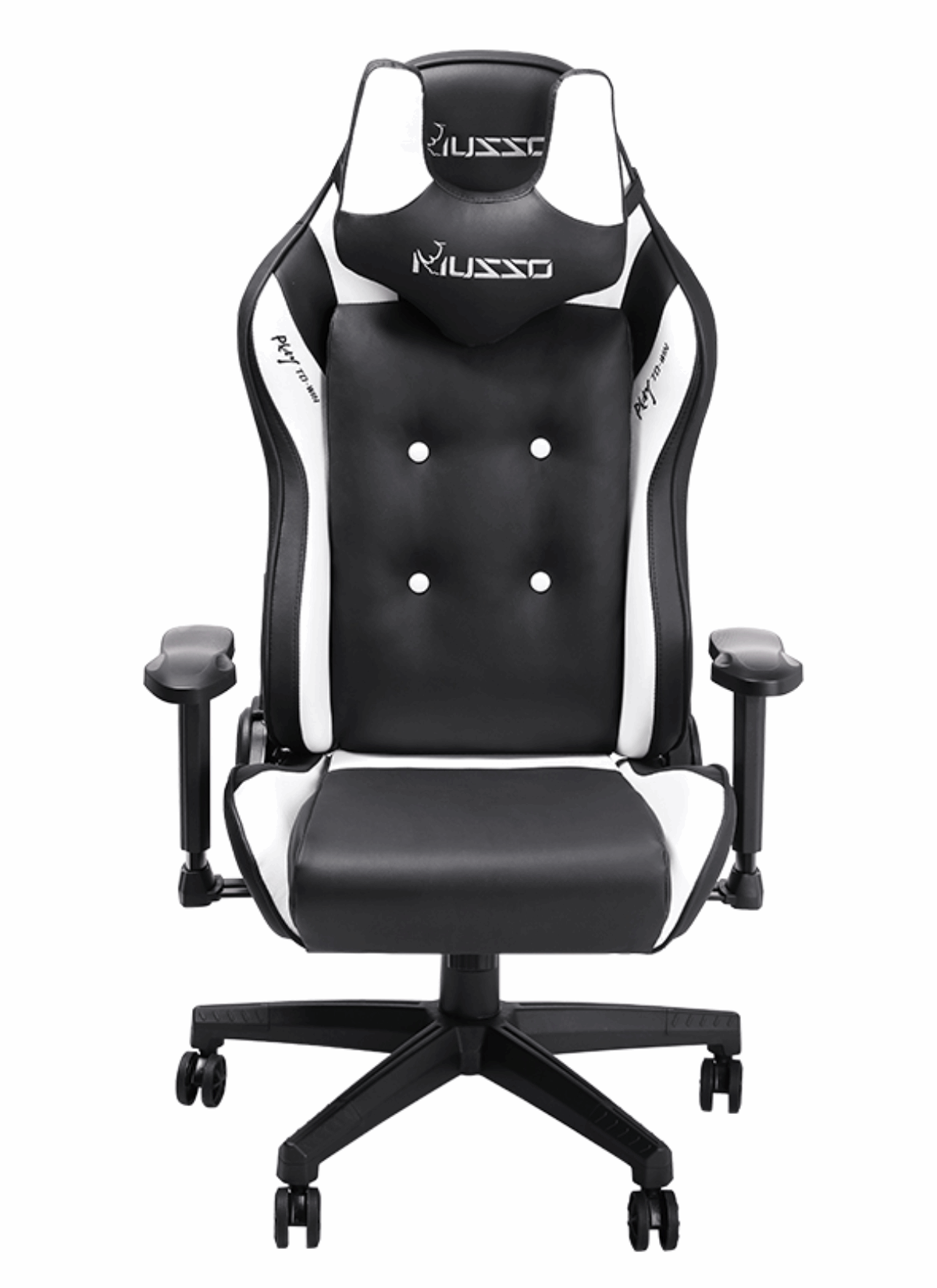
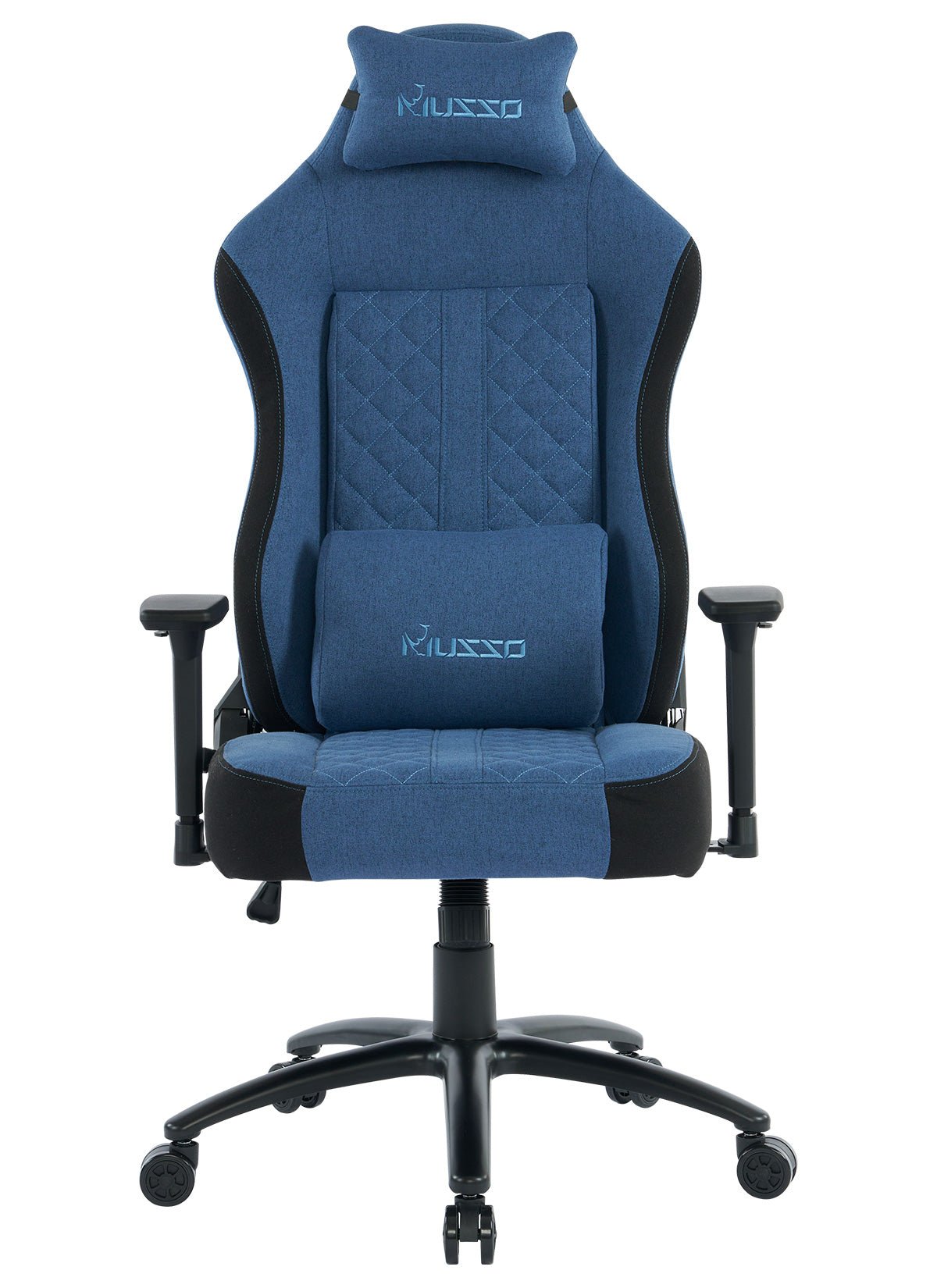
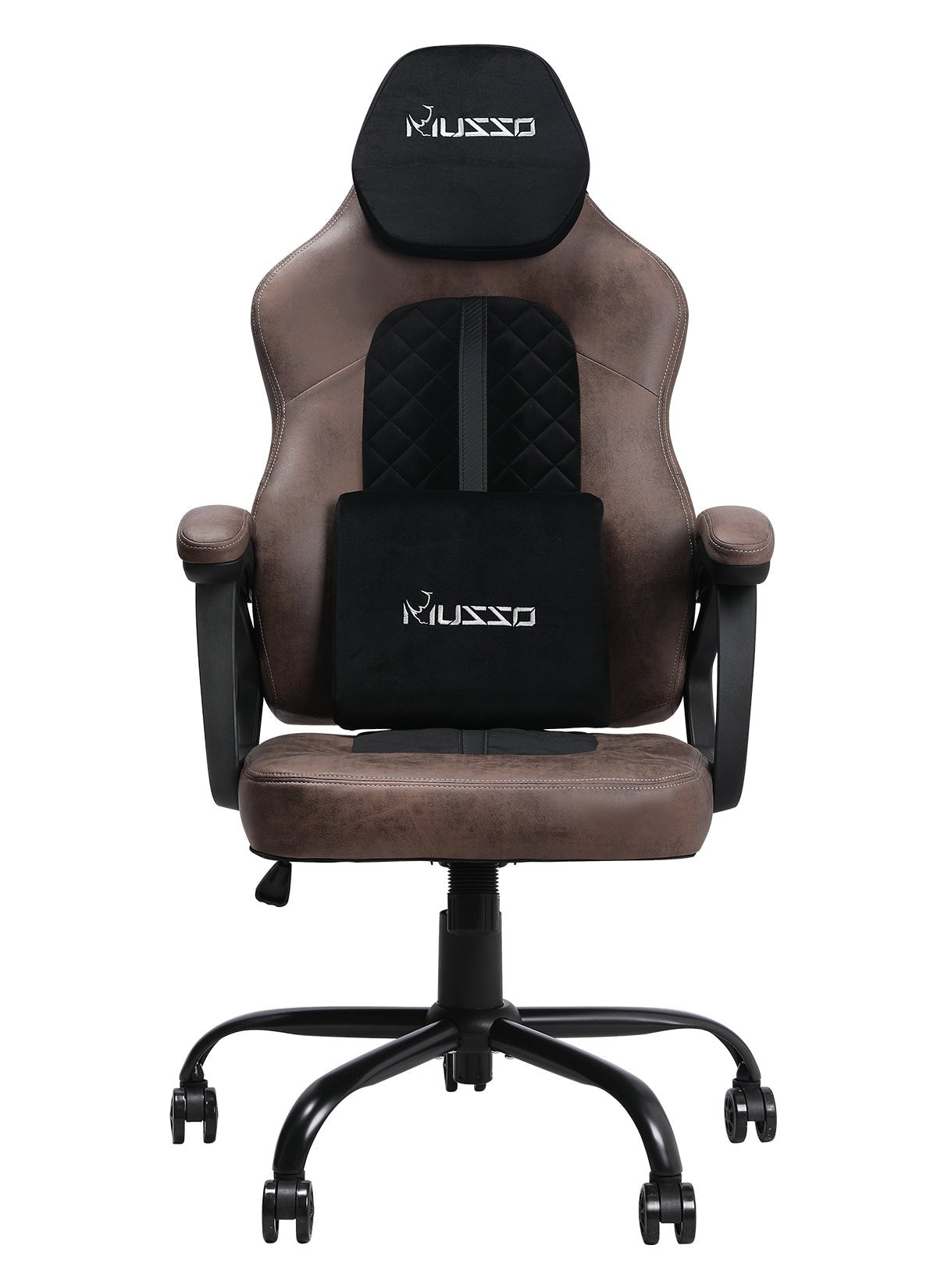


If you observe ergonomic chairs closely, you’ll notice a very obvious characteristic: their backrests are almost never straight, but instead feature a pronounced curve. Have you ever wondered why nearly all ergonomic chairs on the market share this design trait? This curvature isn’t merely for aesthetics—it’s grounded in clear scientific reasoning. Ergonomic chairs are curved because the human spine itself is naturally curved.

The Natural Curves of the Spine: The Design Origin of Ergonomic Chairs
The human spine is not straight; it consists of four physiological curves: cervical lordosis, thoracic kyphosis, lumbar lordosis, and sacral kyphosis. These natural curves function like springs, absorbing shock from walking and movement while maintaining balance and stability.
Traditional straight-back chairs force the spine into an unnaturally upright position, increasing pressure on specific areas. The curvature of ergonomic chairs is designed to conform precisely to these physiological curves—particularly supporting the most fatigue-prone regions: the lower back and the neck.
The Specific Functions of Curves in Different Parts of a Chair
1. Lumbar Support Curve: The “Guardian” of the Lumbar Spine
Dynamic Fit:
The lumbar support of a high-quality ergonomic chair is not only adjustable forward and backward, but can also automatically adapt its angle based on the user’s sitting posture.
Pressure Distribution:
It distributes upper-body weight more evenly, reducing intervertebral disc pressure by up to 40%.
Prevention of Lumbar Muscle Strain:
By maintaining the lumbar spine’s natural forward curve, it helps prevent excessive ligament stretching and muscle fatigue.

2. S-Shaped Backrest: A Full Spinal Support System
Segmented Support:
The upper back area is relatively flatter, while the lower back features a more pronounced forward curve—addressing the distinct structural needs of the thoracic and lumbar spine.
Breathing Space:
The curved design allows natural scapular movement, preventing a restrictive or compressed feeling in the upper back.
Natural Guidance:
It subtly guides users toward proper posture, helping develop healthy muscle memory over time.
3. Seat Cushion Curve: The Overlooked Key to Weight Support
Waterfall-Style Front Edge:
The downward-sloping front edge reduces pressure on the hamstrings and promotes healthy blood circulation.
Hip Support:
A slightly concave seat design distributes pressure across the ischial tuberosities, helping prevent discomfort commonly known as “office butt.”
Micro-Tilting Adjustment:
Allows the seat to tilt forward by 3–5 degrees, opening the hip angle and supporting proper spinal alignment.
The Science of Curves: When Data Speaks
Research shows that lumbar support aligned with the natural spinal curve can reduce lower-back pressure by 30–50%. Properly designed curves can lower muscle activity by 20%, extending comfortable sitting time. Additionally, using an ergonomic chair that conforms to spinal curvature has been shown to reduce the incidence of neck pain by 54%.

How to Choose the Right Curve for You
Adjustable Lumbar Curve:
Since lumbar curvature varies from person to person, adjustable lumbar support is essential.
Pay Attention to Fit During Trial Use:
After sitting down, there should be no excessive gap between your lower back and the chair backrest.
Prioritize Dynamic Support:
Choose curved designs that move with your body, rather than rigid, fixed structures.
Materials That Match the Curves:
High-elastic mesh fabrics adapt better to changes in body contours than stiff, inflexible materials.
Beyond Curves: A Complete Ergonomic Solution
A truly ergonomic chair is not just about “having the right curve.” It should also include:
An adjustable headrest to support the cervical spine
Armrests that follow the natural bend of the elbows
Seat depth adjustment to match thigh length
Comprehensive adjustability to accommodate different body types

Conclusion
The curvature of an ergonomic chair is not a design gimmick—it is a scientific response to the structure of the human body. These carefully calculated curves act as a silent health partner, supporting spinal well-being throughout daily work and life.
Investing in an ergonomic chair that truly conforms to the body’s natural curves is not just an investment in comfort, but a commitment to long-term health. Truly excellent design often appears simple, yet is rooted in a deep understanding of the human body.
Your spine supports you throughout your life with its natural curves. It’s time to choose a chair that supports it with scientifically designed ones.
