



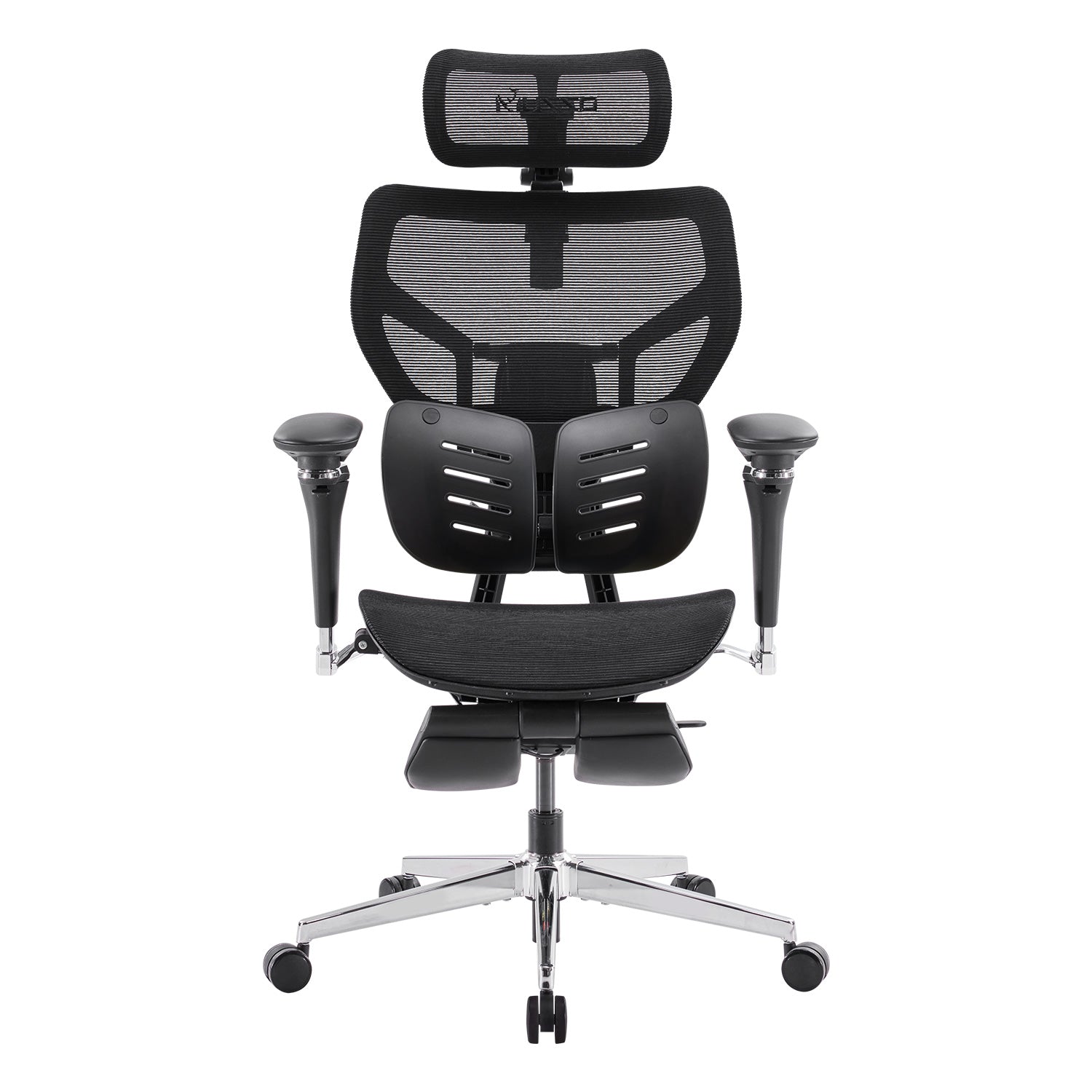
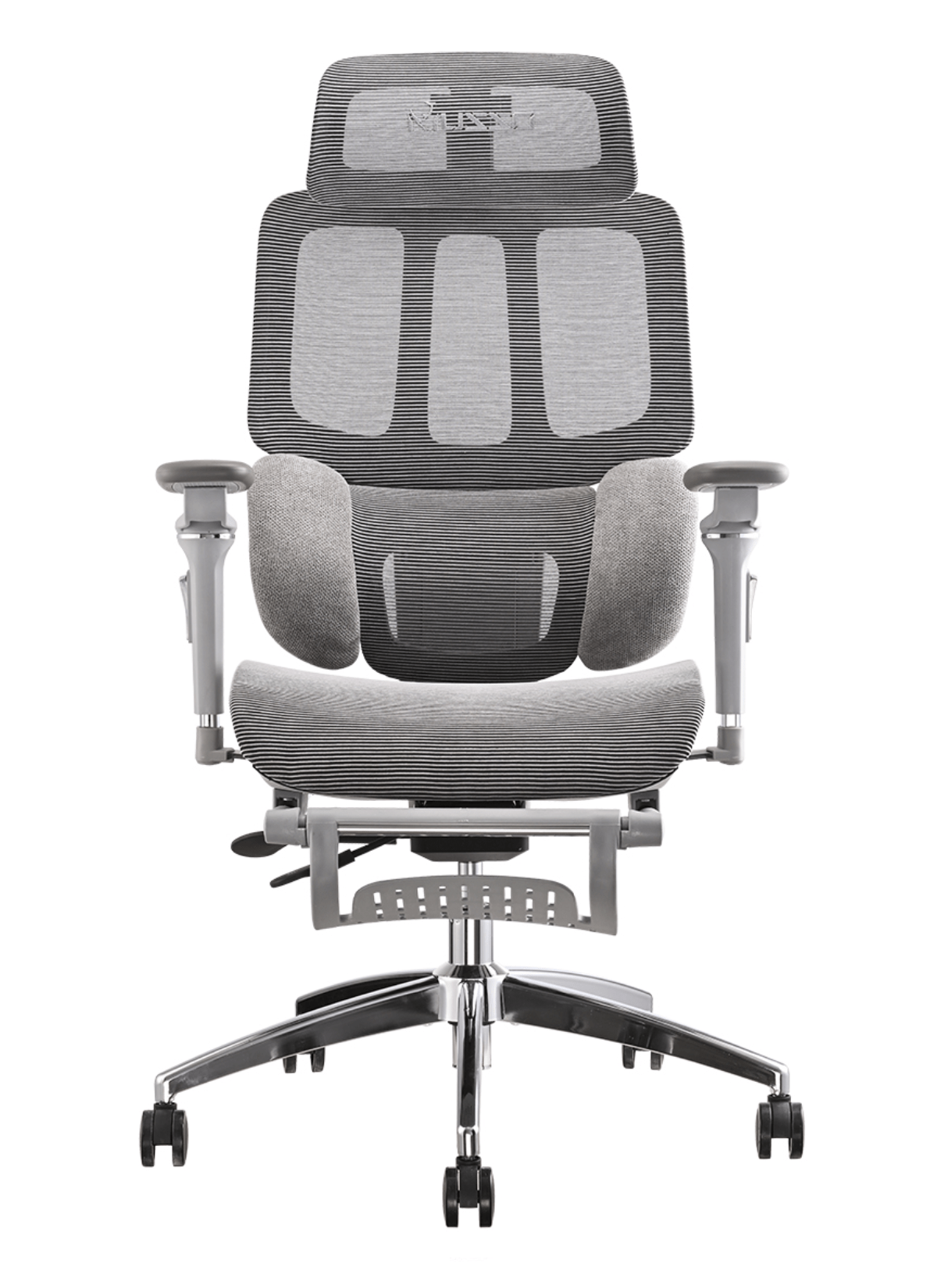
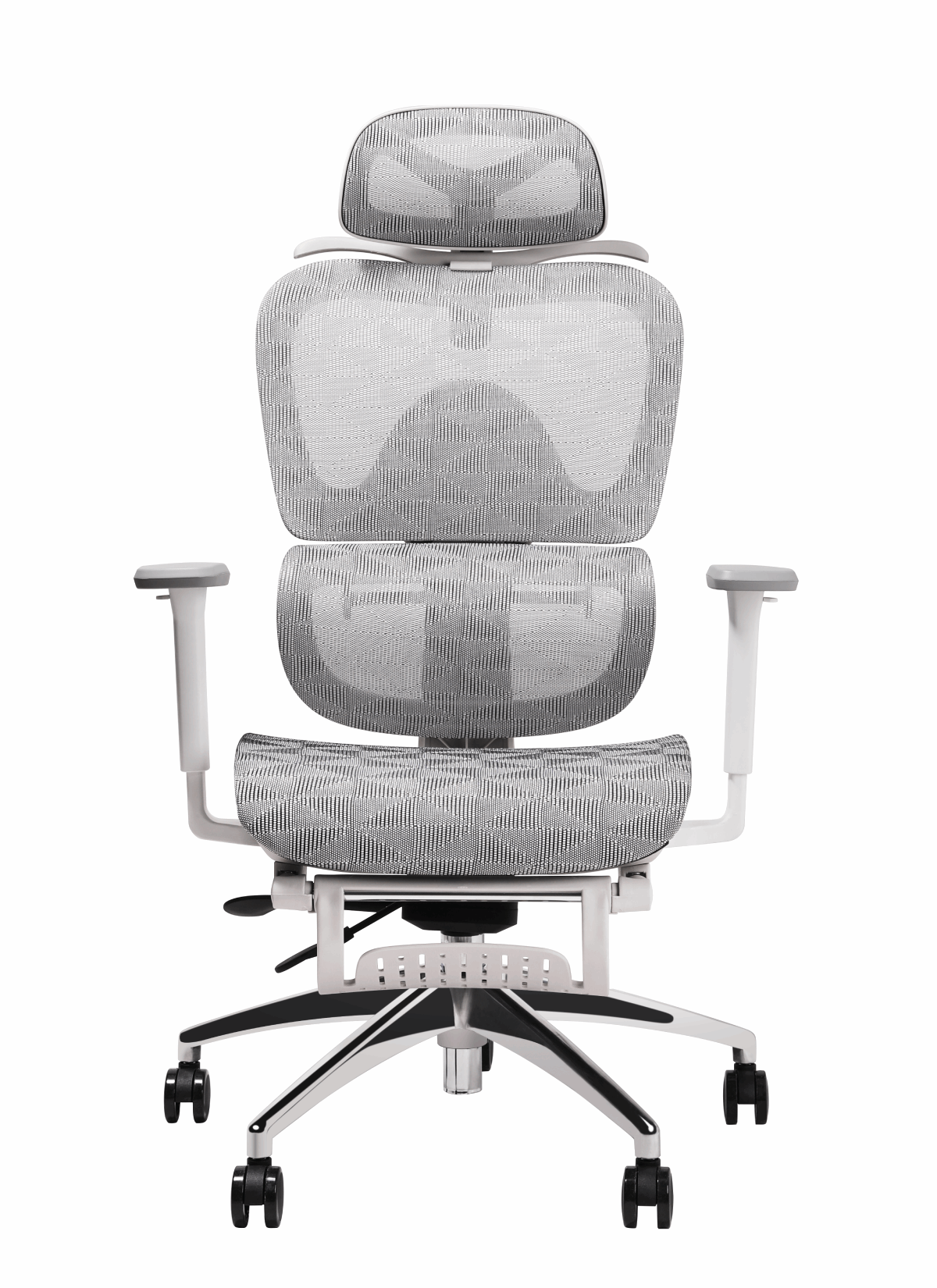
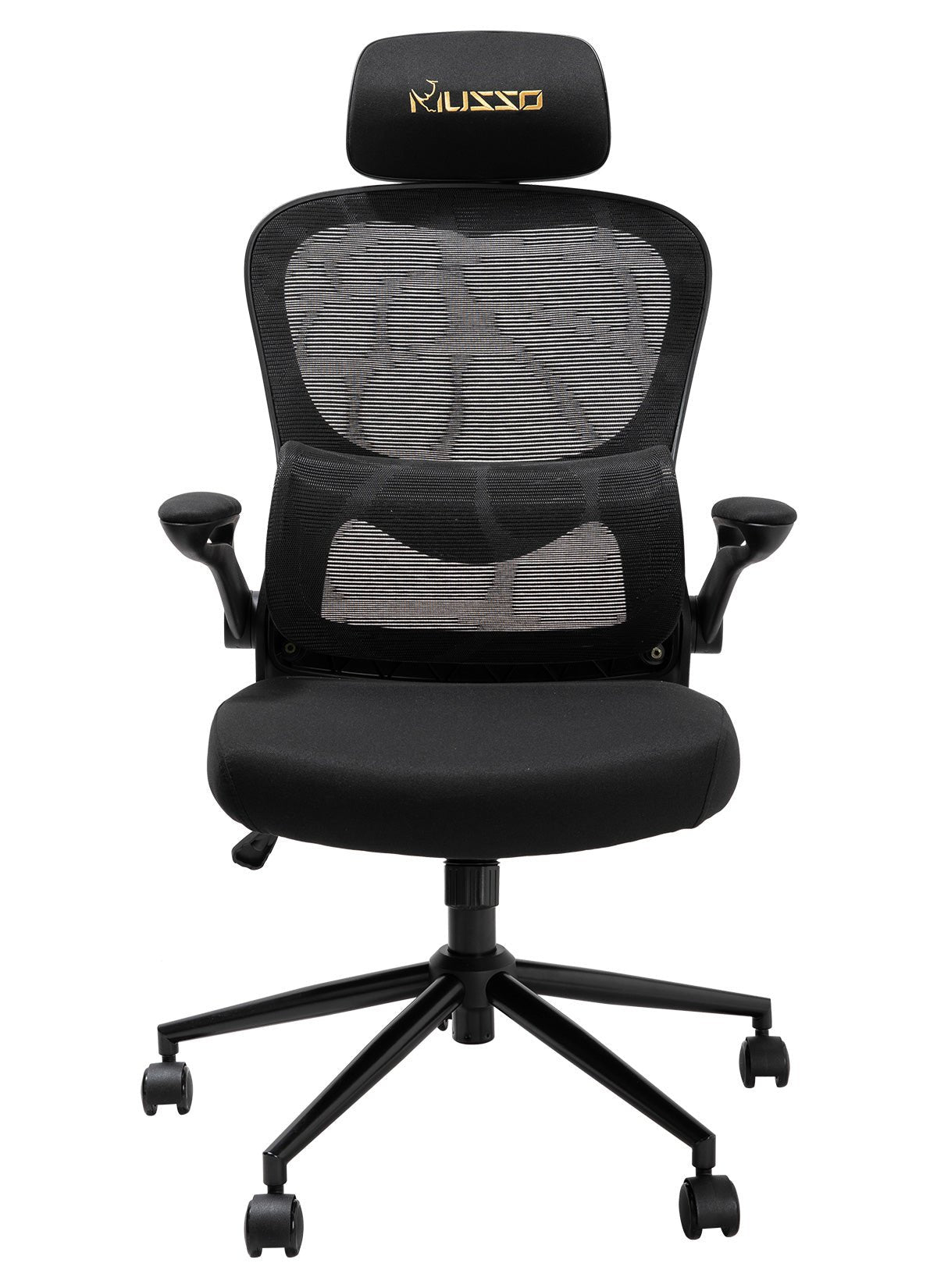
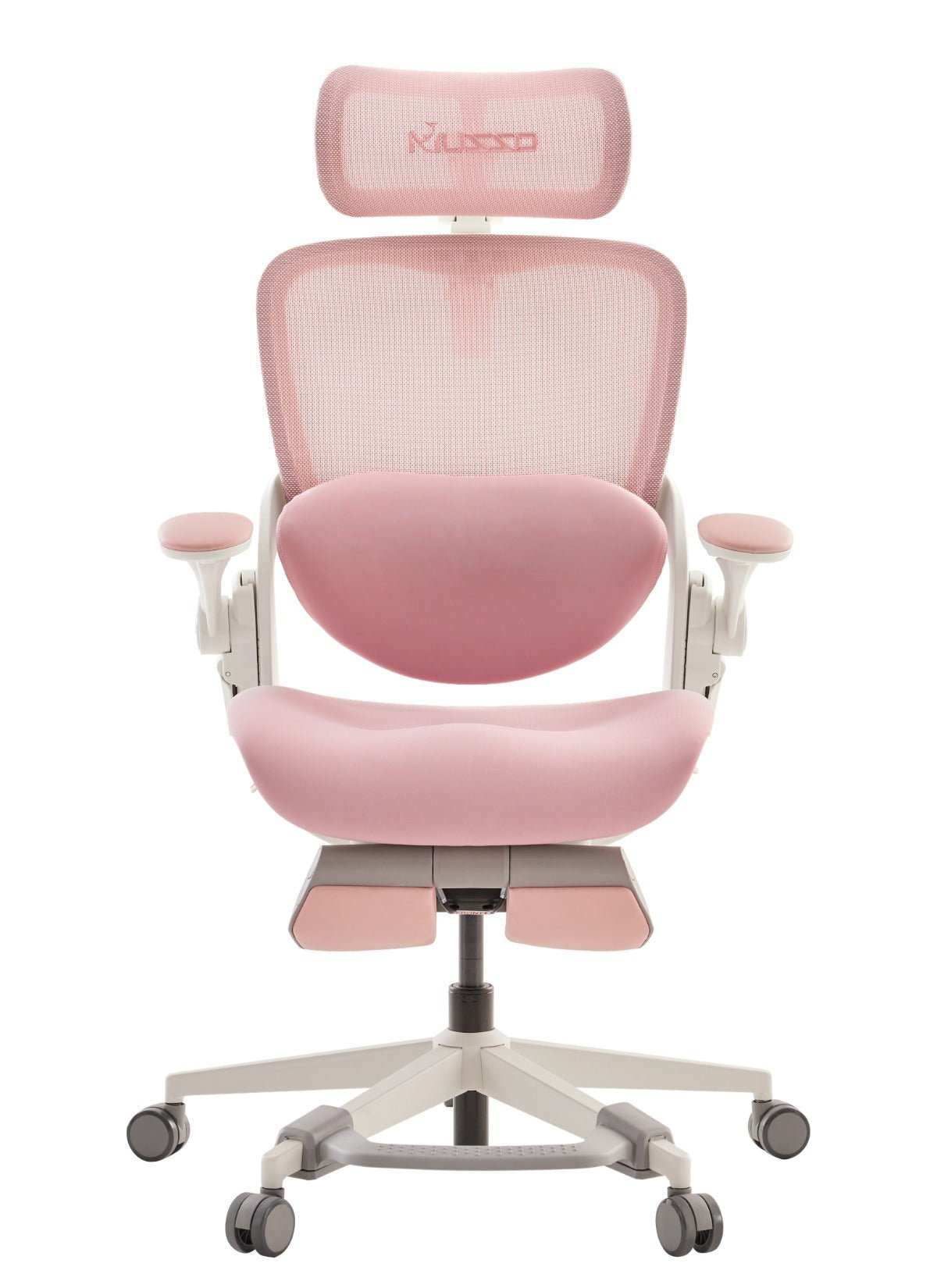

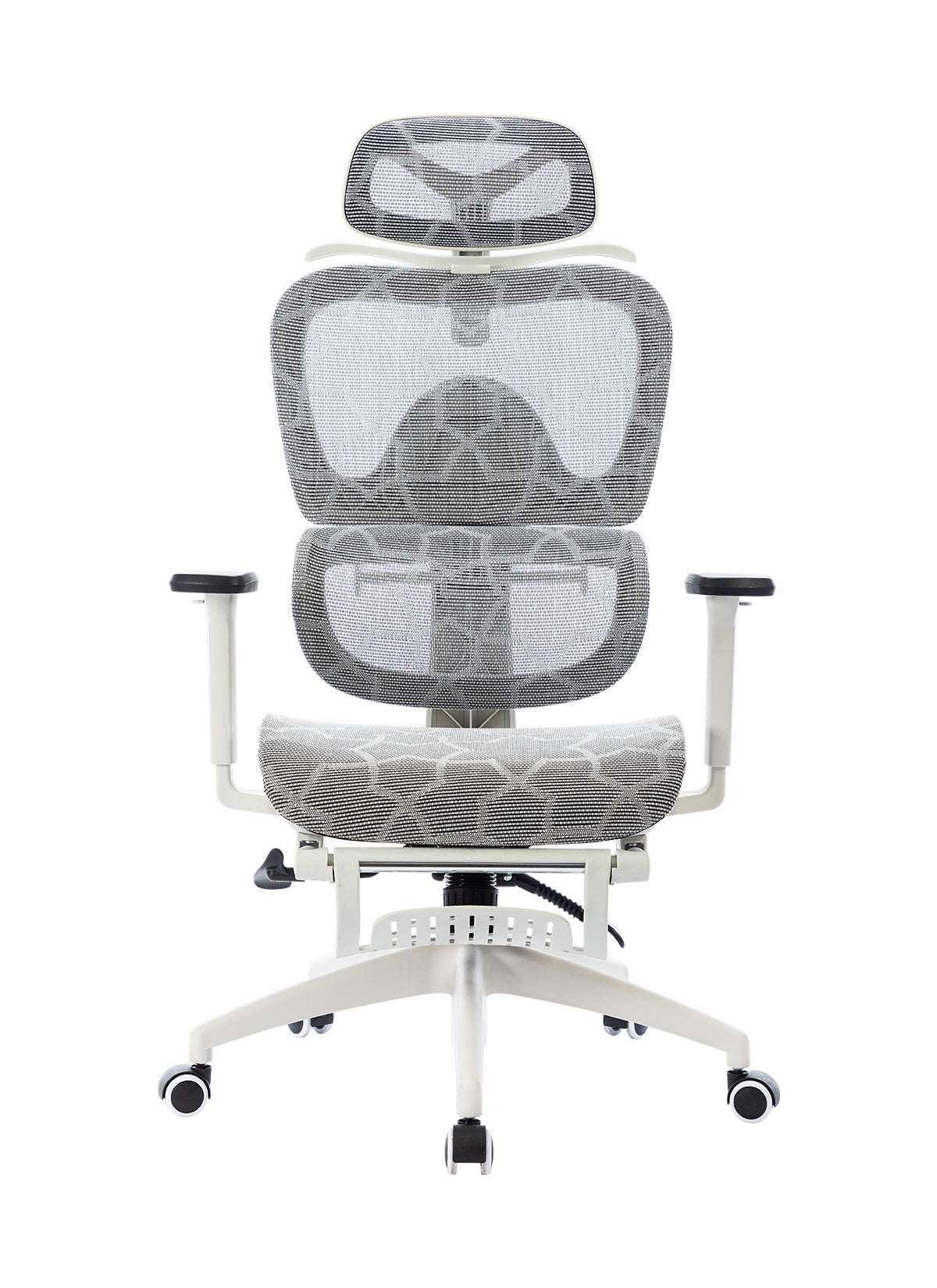
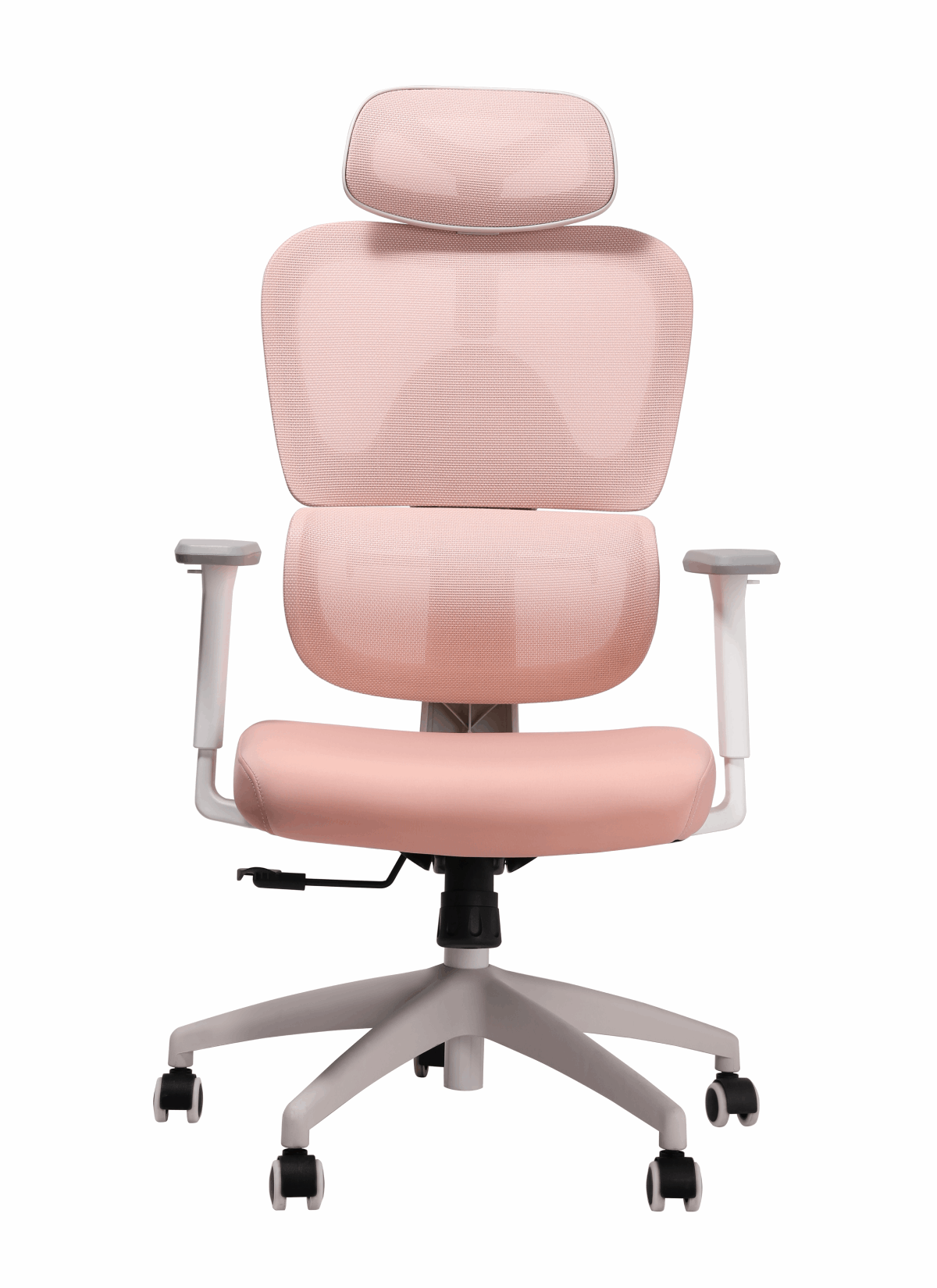

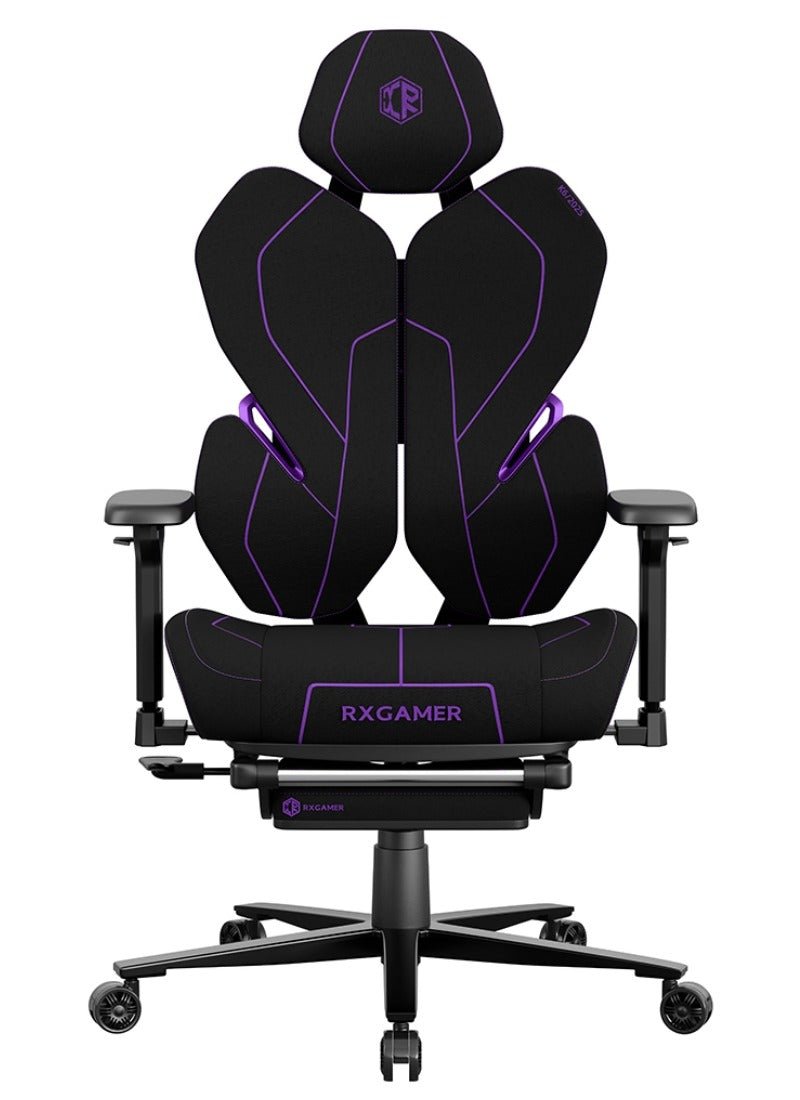
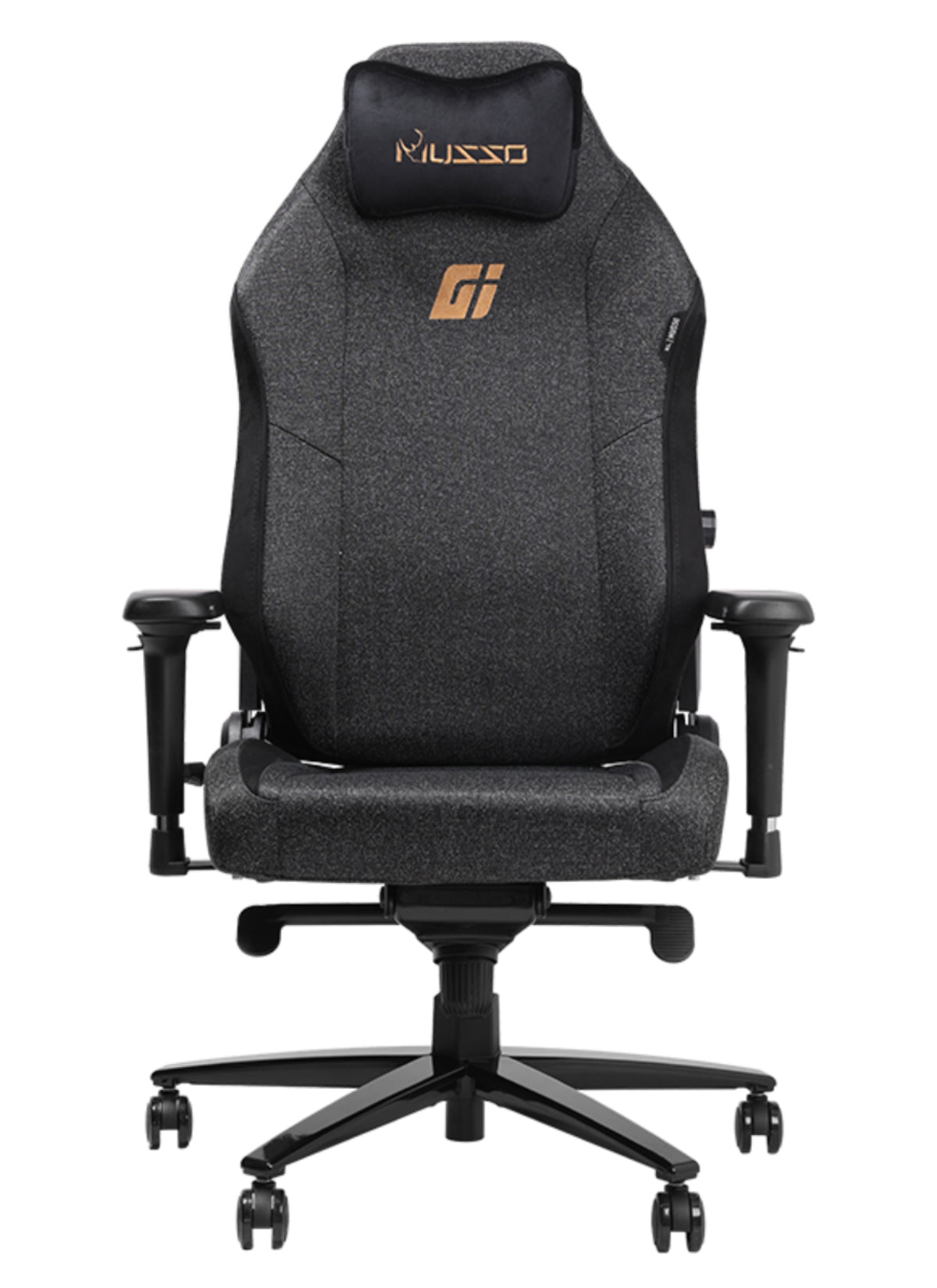
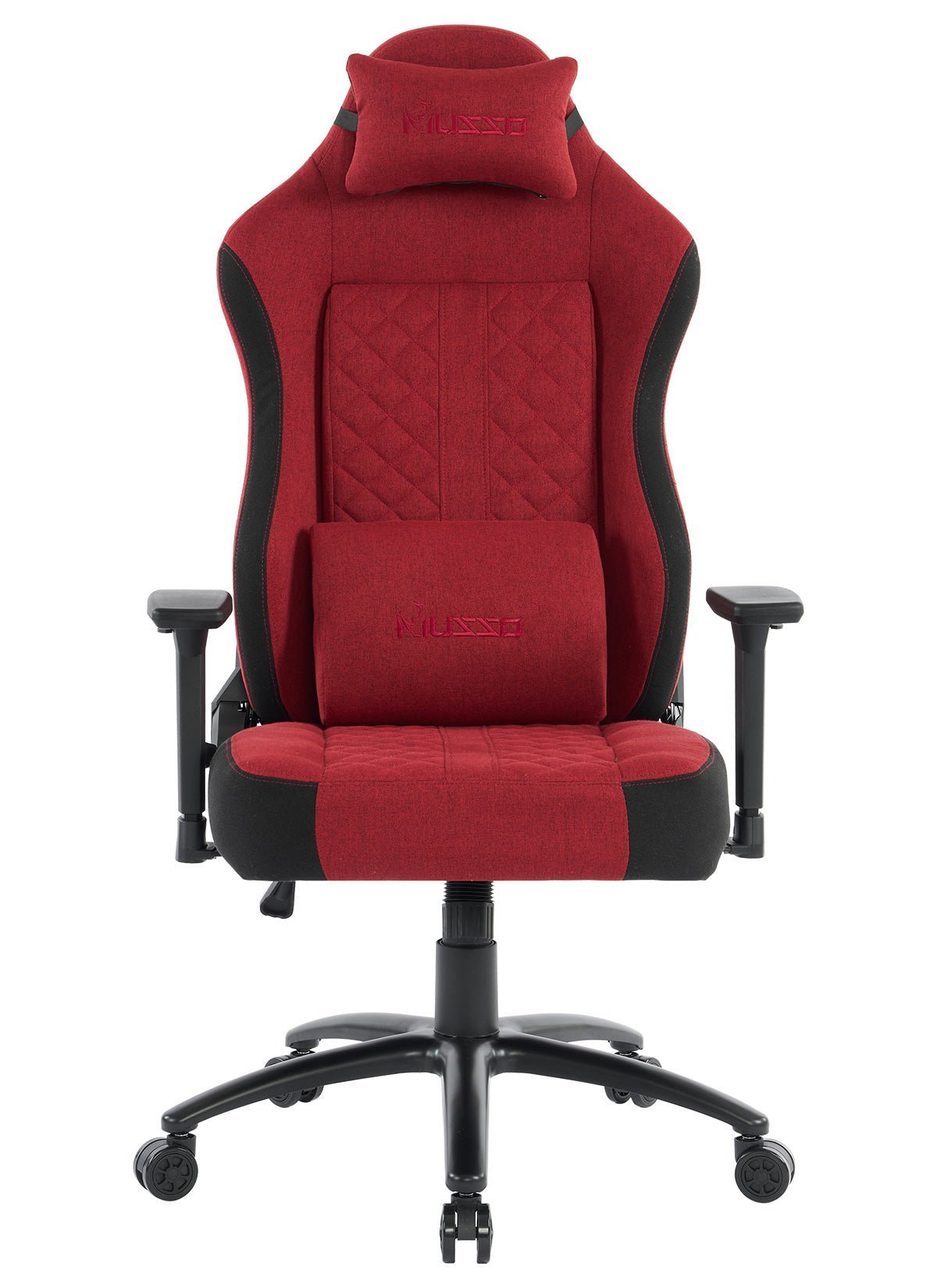
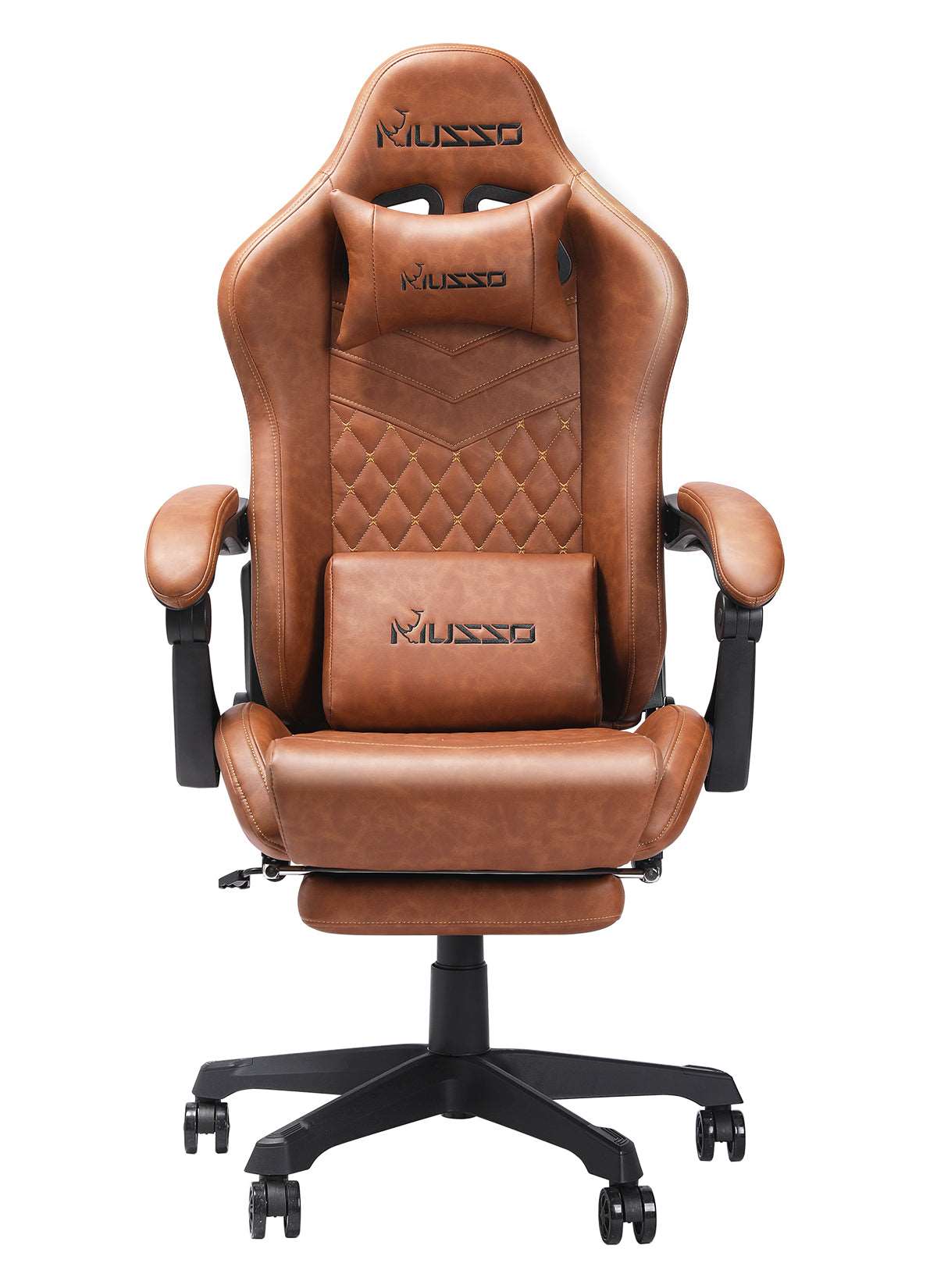
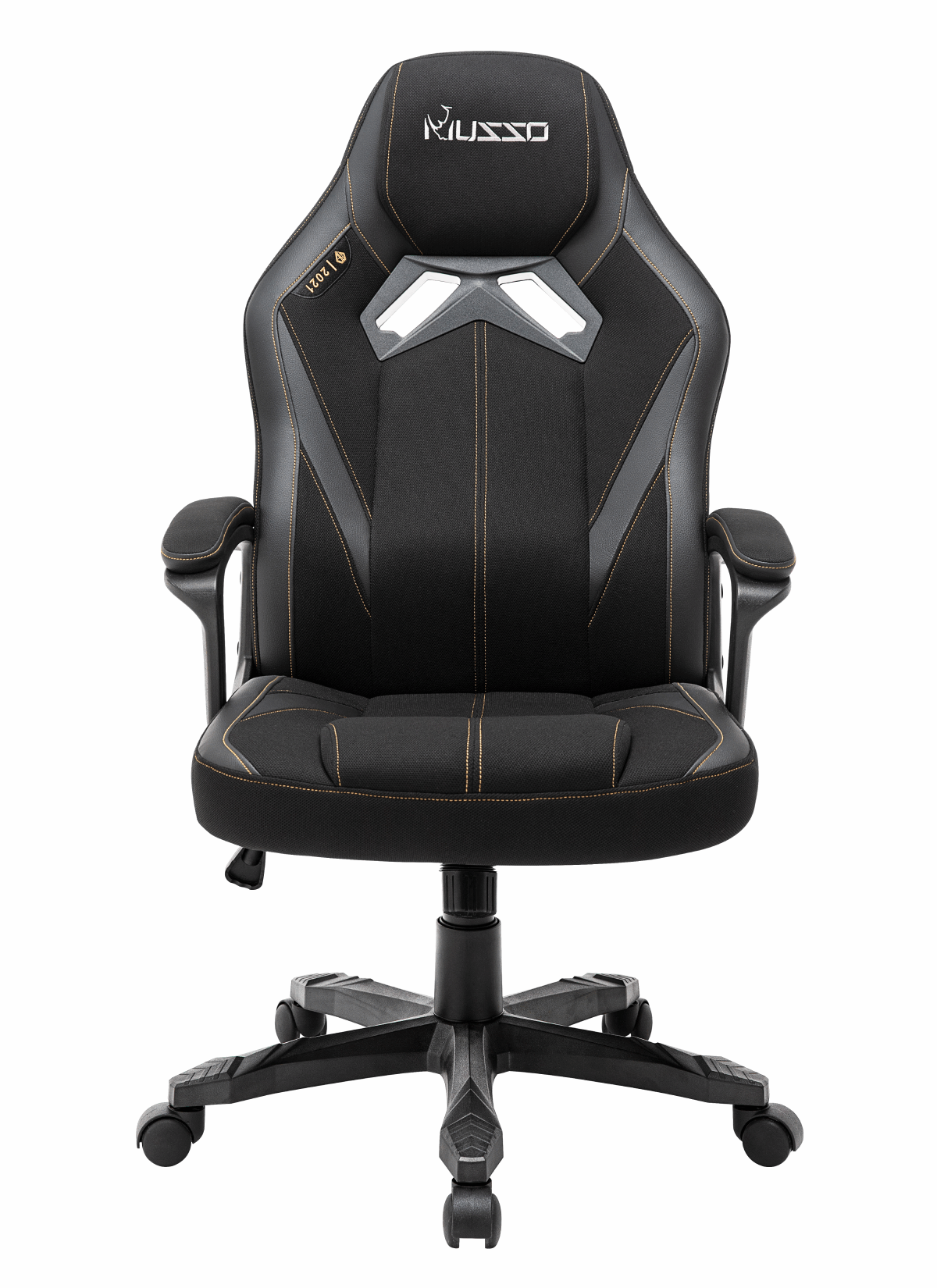
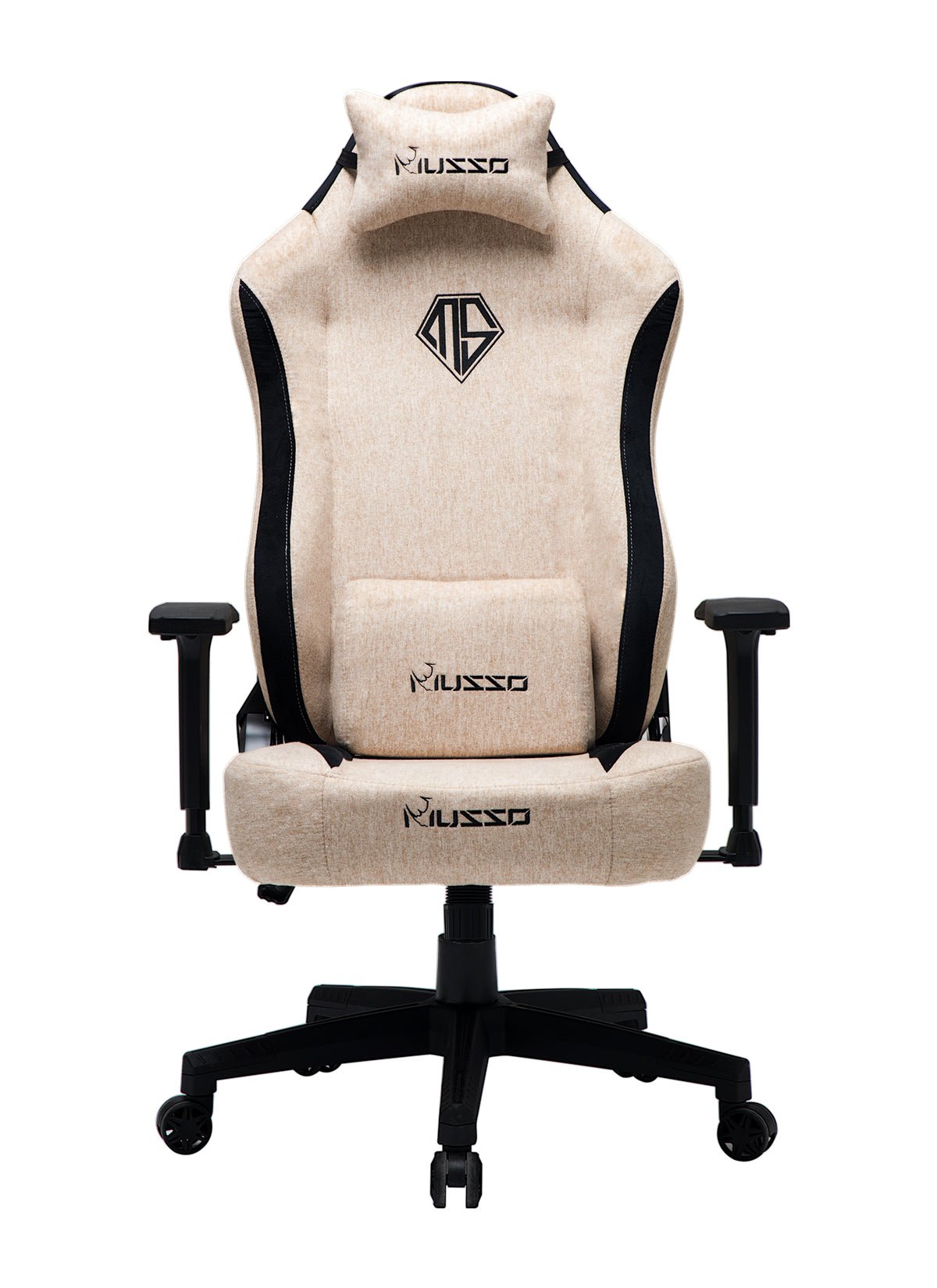
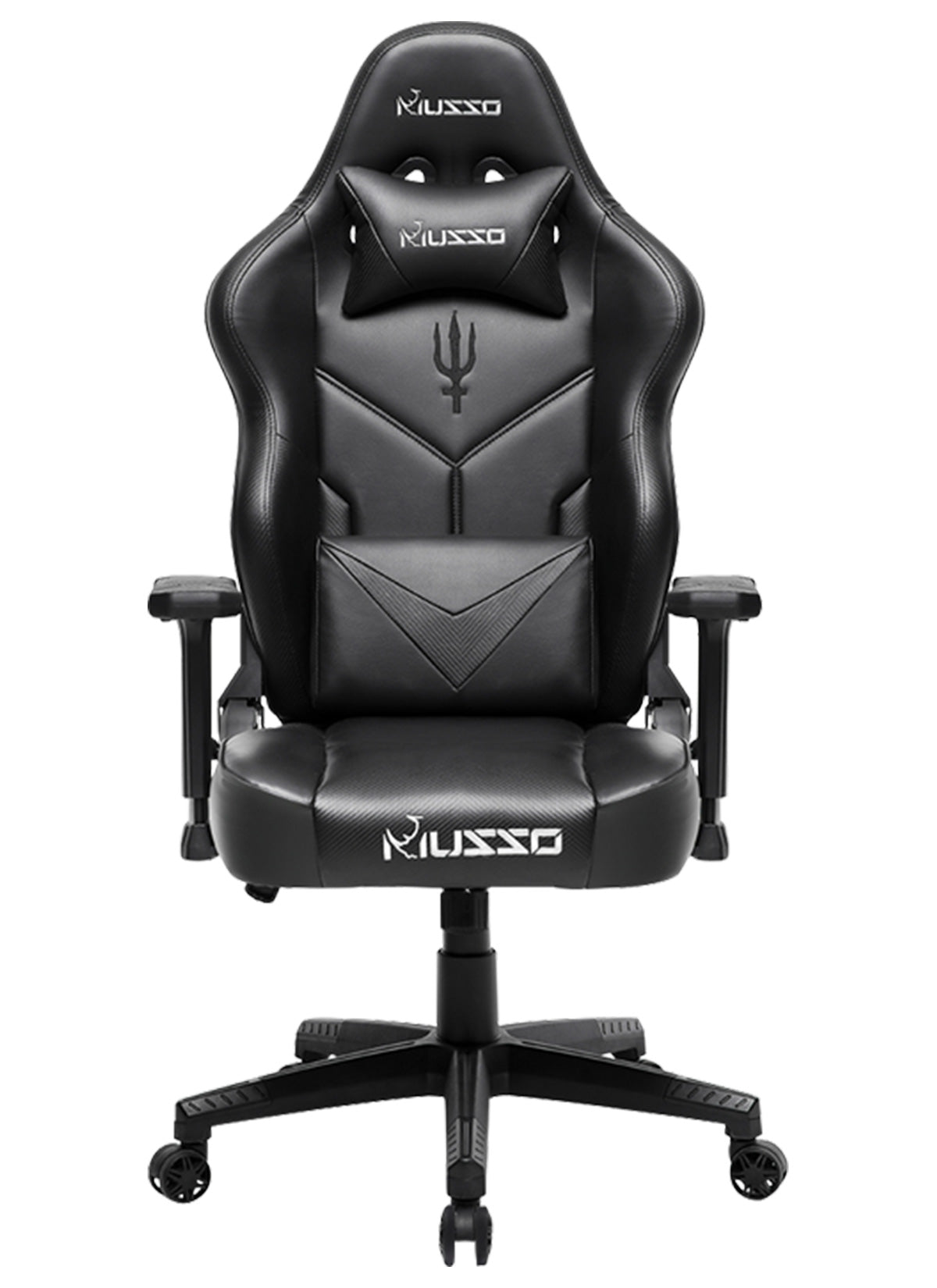
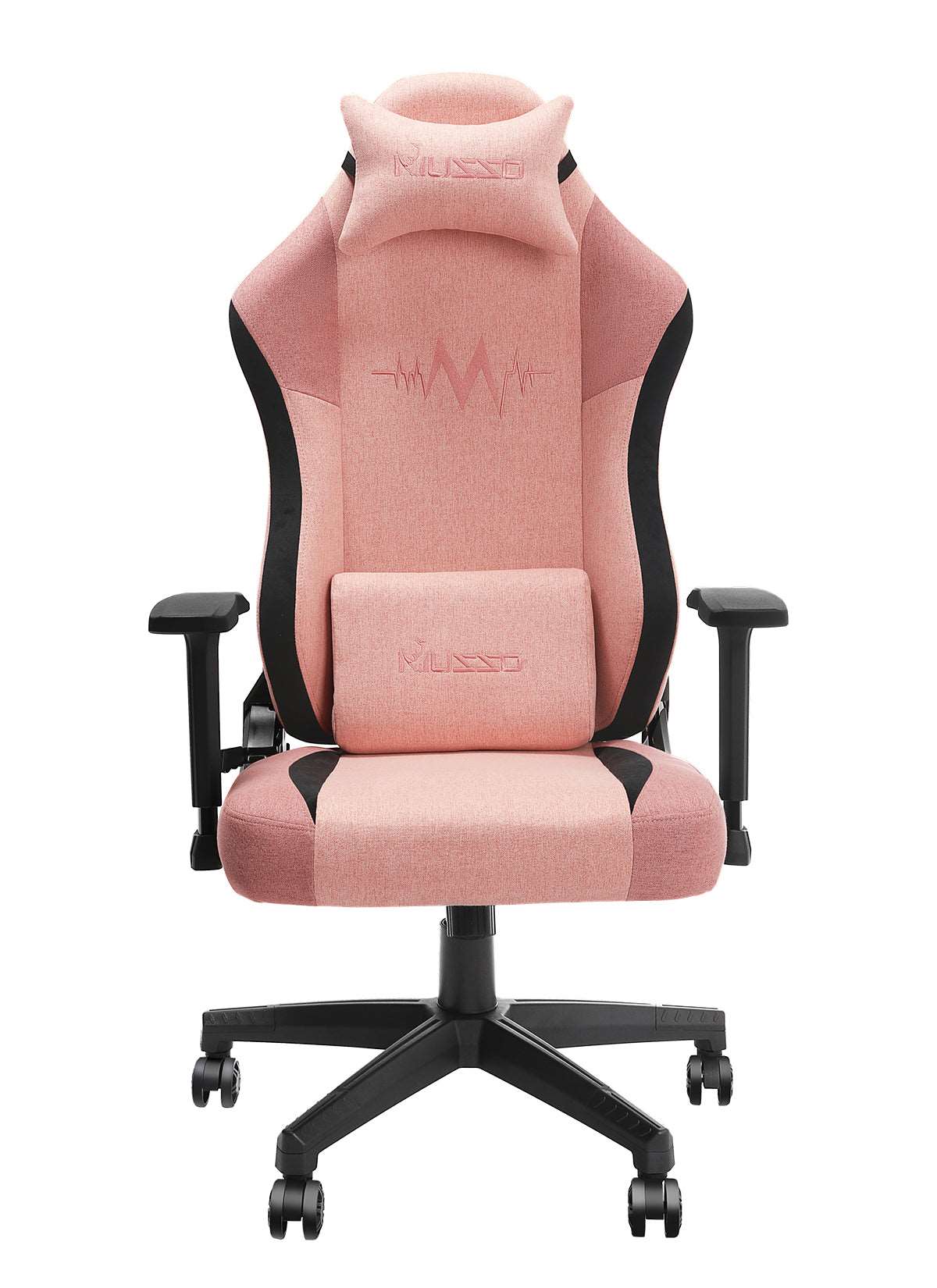
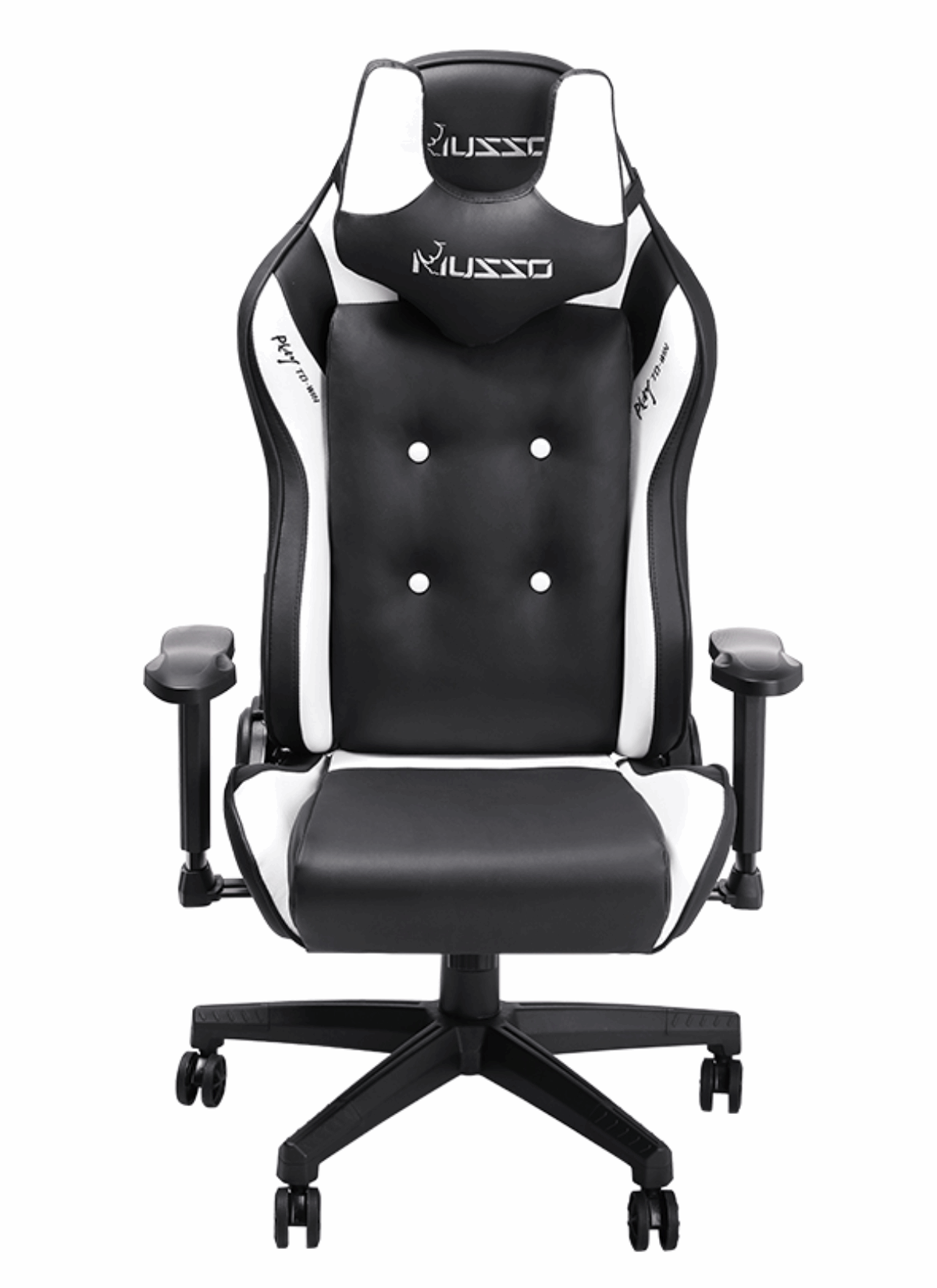
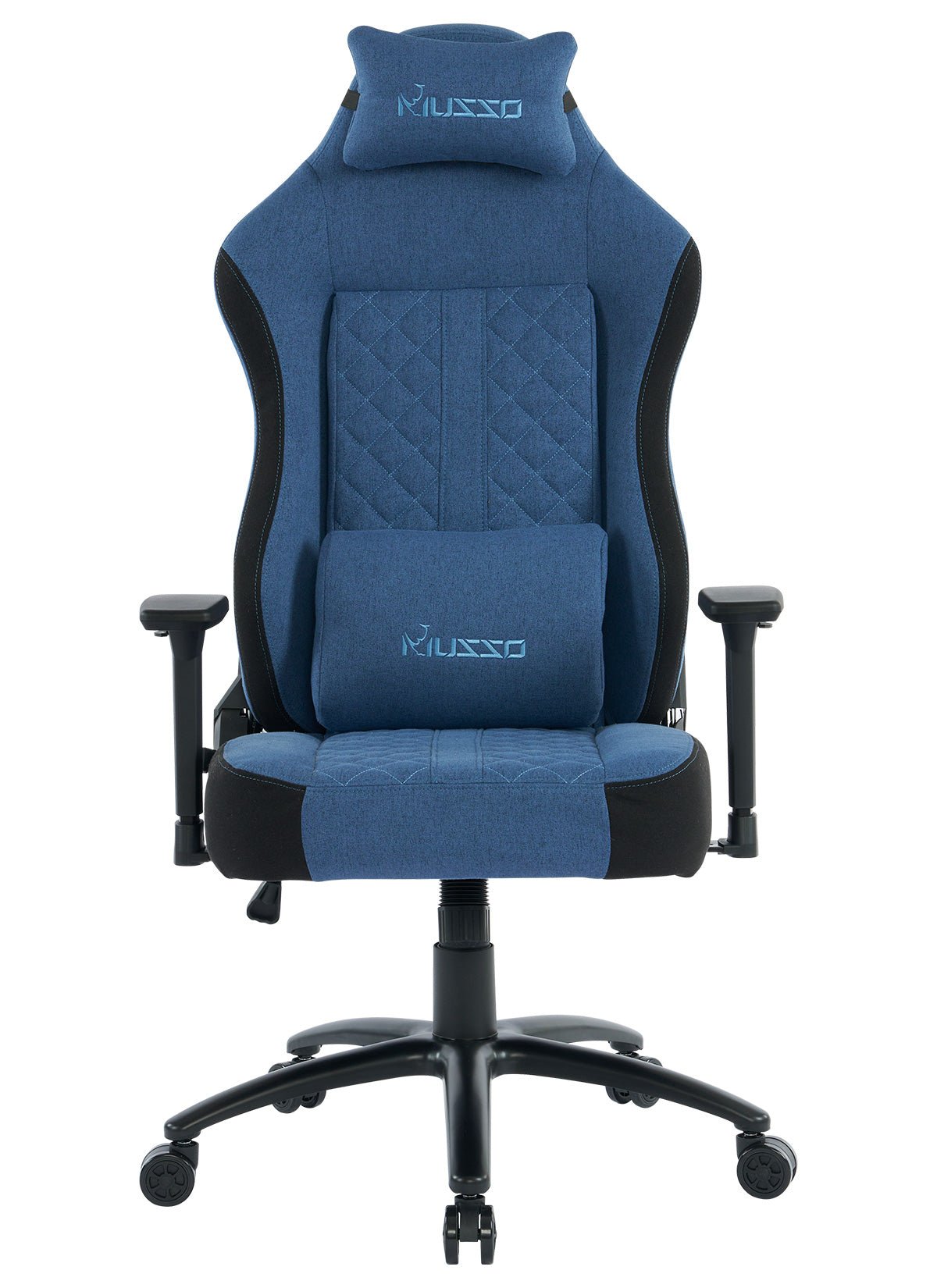
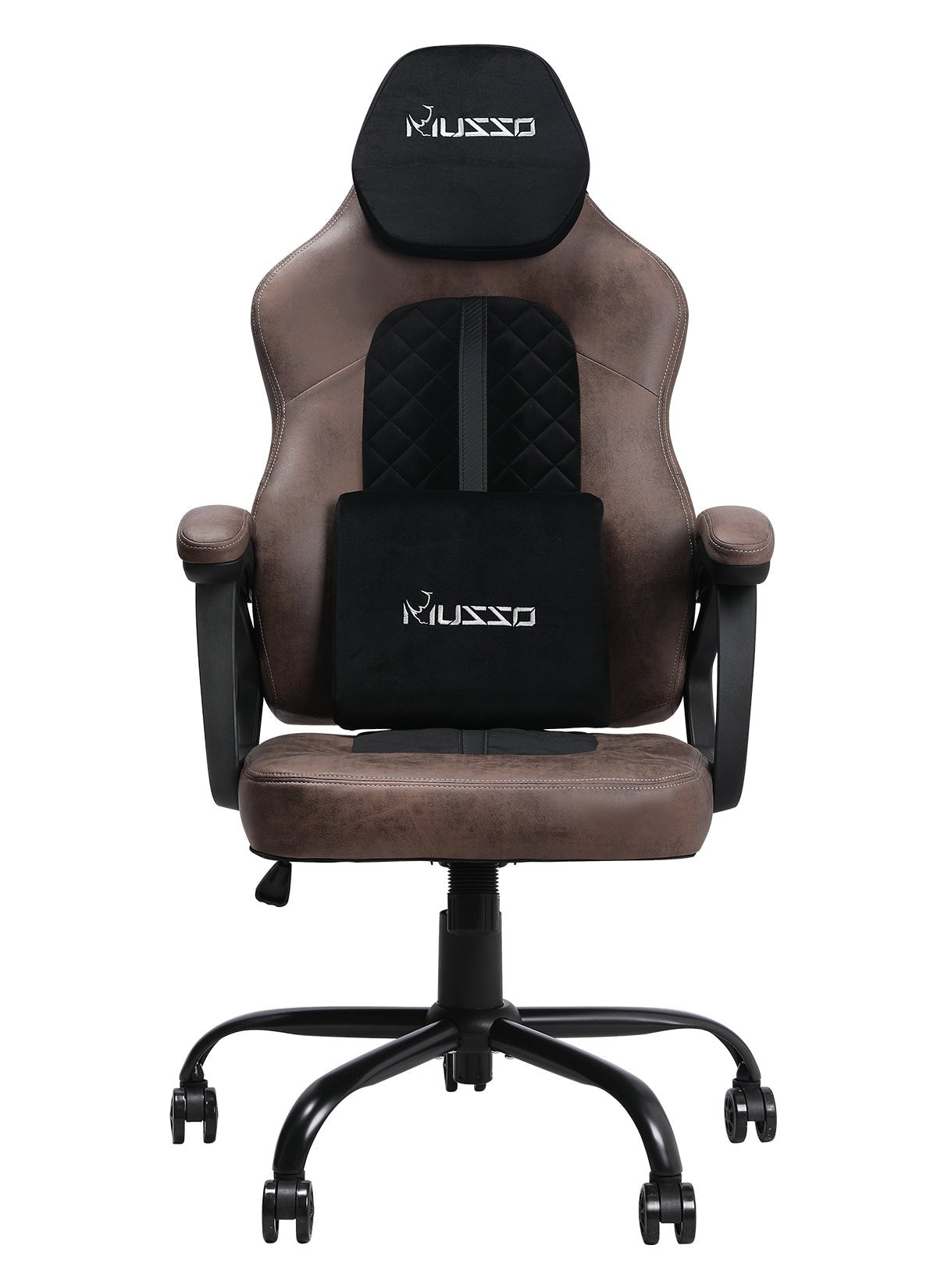


Many people have the same question when they first encounter an ergonomic chair: why does a chair need so many “complex features”? Lumbar support, a headrest, adjustment buttons… they look high-end, but can also seem somewhat “unnecessary.”
Especially when it comes to lumbar support and headrests—some people feel they can’t live without them, while others barely notice them at all.
So the question is: do these features actually improve the experience, or are they just psychological comfort?

Lumbar Support: Not Optional, but a Core Feature
If you could only choose one feature, the answer is almost certainly—prioritize lumbar support.
The human spine is not straight; it has a natural “S-curve.” When we sit for long periods without support, the lower back tends to sag, causing the entire weight of the upper body to press onto the lumbar spine. This is why many people experience lower back pain, fatigue, and unconscious hunching after sitting for too long. A good lumbar support can properly support your lumbar curve, keeping the spine in a relatively natural position and reducing continuous muscle tension.
However, it’s important to note that “having lumbar support” is not enough. A truly effective lumbar support typically has several characteristics:
It can be adjusted in height or depth (forward and backward)
It provides elastic support rather than a rigid push
It adapts slightly to your sitting posture instead of remaining fixed
Simply put, lumbar support is not just for decoration—it’s a key factor in determining how long you can sit comfortably.

Headrest: Not Essential, but Very Comfortable When Used Correctly
Compared to lumbar support, headrests are more easily misunderstood.
Some people think headrests are “useless” because they don’t need them while sitting upright; others, once they get used to them, can’t live without them. The issue isn’t the headrest itself, but the usage scenario and how well it fits. The core function of a headrest is to support the cervical spine when you relax or recline. If you consistently maintain a forward-leaning working posture, its presence may indeed feel less noticeable.
However, a headrest significantly improves comfort in situations such as:
Reclining during work breaks
Long gaming sessions
Watching videos or relaxing
Additionally, many people find headrests unusable because:
The height cannot be adjusted to fit the neck properly
The angle is not suitable
The overall backrest design doesn’t match
A good headrest should be adjustable in multiple dimensions and “catch you” comfortably when you lean back.
Therefore, a more accurate statement is:
👉 A headrest isn’t a necessity, but it determines whether you can truly relax.

Lumbar Support vs. Headrest: Which Should You Choose First?
Prioritization is actually quite simple:
Basic support → Choose lumbar support
Enhanced comfort → Add a headrest
Full experience → Have both
For those with a limited budget, investing in a good lumbar support is far more valuable than pursuing a “full-featured” setup. And if you sit for long periods every day, the relaxation provided by a headrest will subtly improve your overall comfort.
Purchase Advice: Don’t Just Look at “Having It,” Look at “How Well It Works”
Many people are drawn to chairs that advertise features like “lumbar support” and “headrest,” but what truly determines the experience is the quality of execution.
You should focus on:
Whether the lumbar support dynamically conforms to your lower back
Whether the headrest allows for height and angle adjustments
Whether the entire backrest follows the natural curves of the body
A good ergonomic chair isn’t about stacking features—it’s about ensuring every support point is “just right.”
Sitting may seem ordinary, but its impact on the body is long-term and cumulative.
A suitable chair might not impress you immediately, but over time, it will make your body feel more relaxed. Eventually, you will notice the difference. Instead of asking whether lumbar support and headrests are necessary, ask yourself: would you prefer to sit more comfortably?

