







1. Why Is Sitting at Work More Tiring Than You Think?
Many people have this experience: even though you do almost no physical labor and just sit at your desk all day, you still feel exhausted, experience back pain, and have decreased concentration after work.
This may seem contradictory, but from a physiological perspective, it's perfectly reasonable—prolonged sitting is itself a form of "hidden fatigue."

2. Why Does Prolonged Sitting Make You More Tired? 5 Core Reasons
2.1 Static Postural Fatigue
The human body wasn't designed to maintain fixed postures for extended periods.
When you sit still for a long time:
Muscles remain contracted or tense for extended periods
There is no effective cycle of relaxation
Energy is continuously consumed
The result is that the less you move, the more tired you become.
2.2 Slower Blood Circulation
Prolonged sitting leads to:
Slower blood flow in the lower limbs
Reduced efficiency in oxygen and nutrient delivery
Accumulation of metabolic waste
You may experience:
Heaviness in your legs
Swelling in your body
Mental fatigue

2.3 Continuous Muscle Tension
Even when you're sitting still, your body is still working to maintain posture:
Tight back muscles
Shoulders and neck continuously supporting the weight of the head
Increased pressure on the lower back
This state of continuous exertion without adequate rest can be more tiring than dynamic movement.
2.4 Accumulated Spinal Pressure
Prolonged sitting increases the burden on the spine:
Greater pressure on the lumbar spine
Gradual compression of the intervertebral discs
Increased likelihood of poor posture
Leaning forward, in particular, places even more pressure on the spine.

2.5 Decreased Oxygen Supply to the Brain
Prolonged sitting affects not only the body but also the brain:
Slower blood circulation
Reduced oxygen supply
Decreased nervous system activity
This can result in:
Reduced attention span
Slower thinking
Increased likelihood of experiencing "brain fog"
3. Why Is Sitting for 8 Hours More Tiring Than Moving for 8 Hours?
The key point is:
👉 The body needs movement and circulation, not stillness.
Even if calorie expenditure is relatively low, prolonged sitting keeps the body in a state of:
Inefficient circulation
Continuous strain on specific muscle groups
Mild nervous system fatigue
This creates a form of hidden, ongoing physical and mental drain.
4. Prolonged Sitting Doesn't Just Tire the Body—It Also Affects the Brain
Many people overlook this fact:
Sedentary fatigue is not just about physical discomfort; it also includes:
Decreased work efficiency
Shorter attention spans
Increased irritability
In other words, when you feel tired, it's often because both your body and your brain are fatigued.

5. Who Is Most Prone to Sedentary Fatigue?
The following groups are particularly affected:
Office workers who spend long hours at a computer
BPO customer service and call center employees
Programmers and designers
Freelancers and remote workers who sit for extended periods
6. How Can You Relieve Sedentary Fatigue?
Here are four ways to improve your situation:
✔ Adjust Your Posture
Avoid leaning forward or hunching over, and maintain the natural curve of your spine.
✔ Get Up and Move Regularly
Stand up and move around for 1–3 minutes every 30–60 minutes.
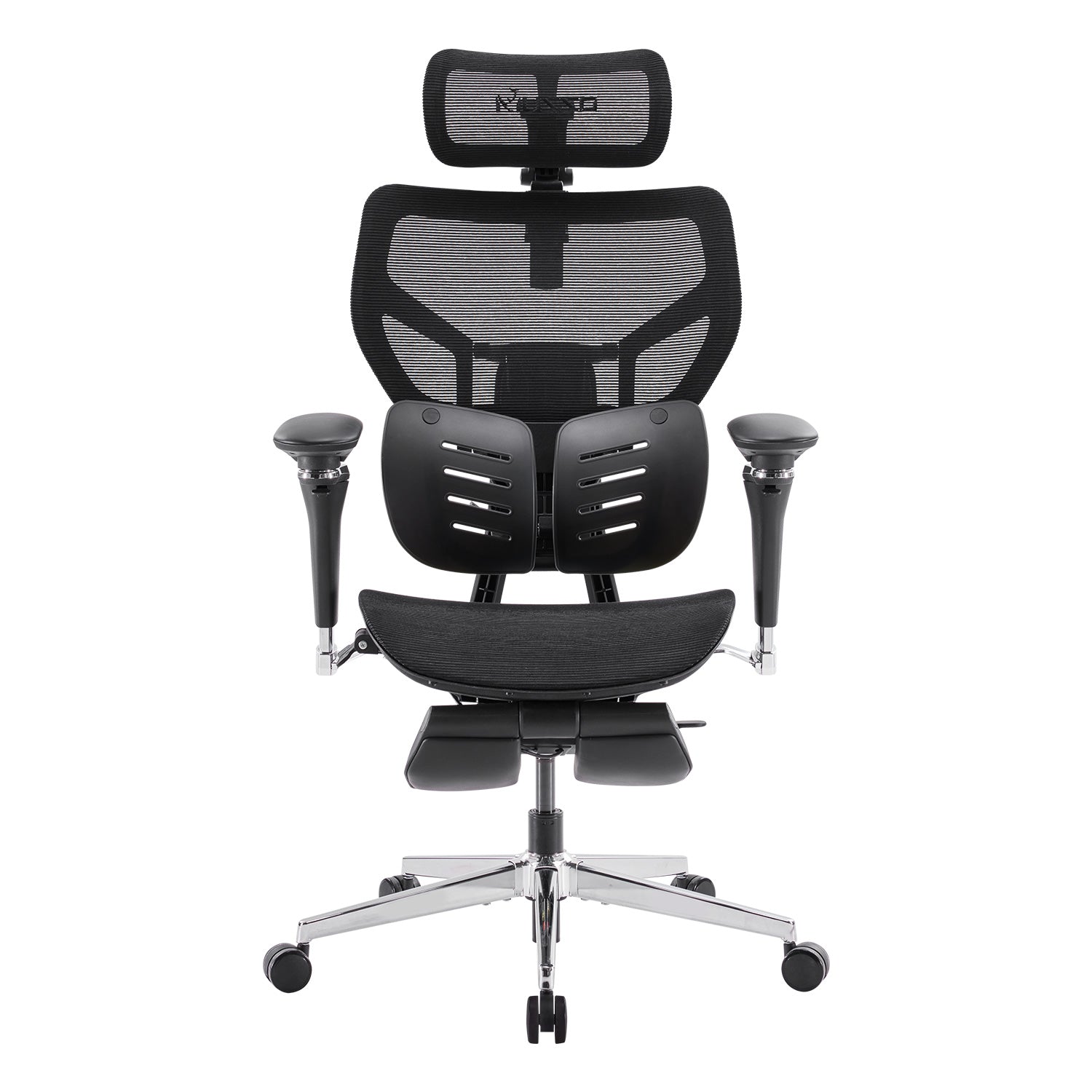
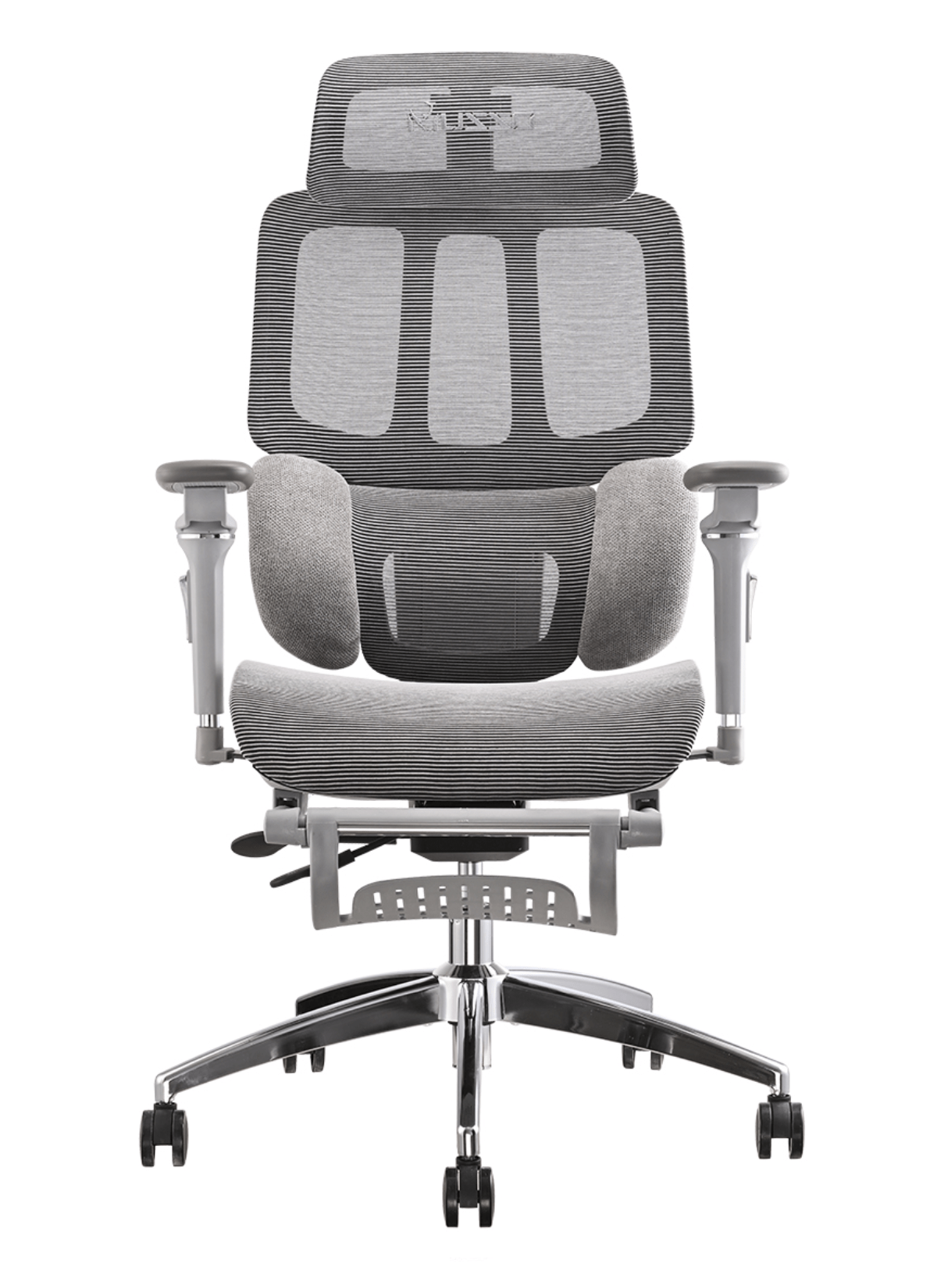
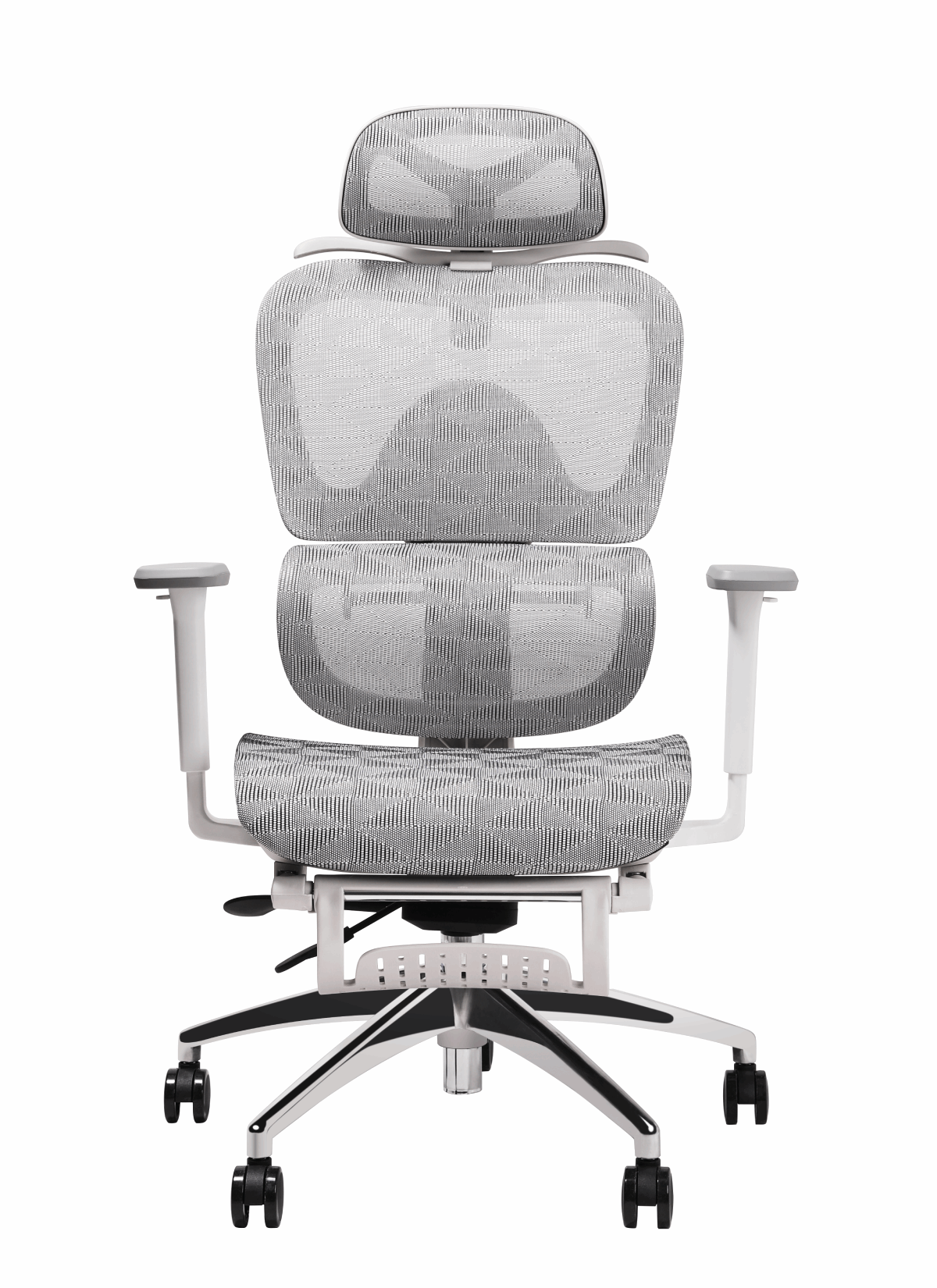
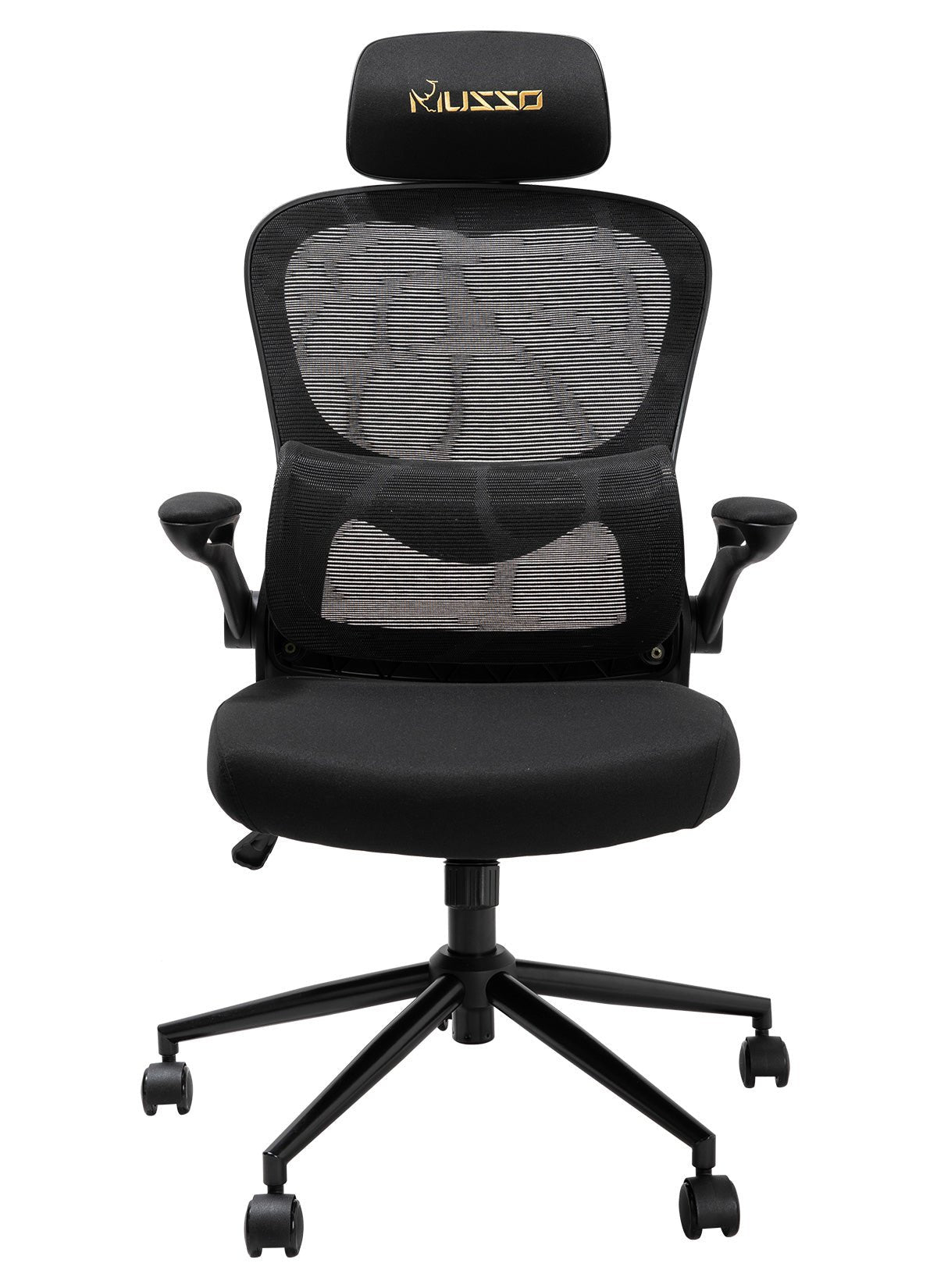
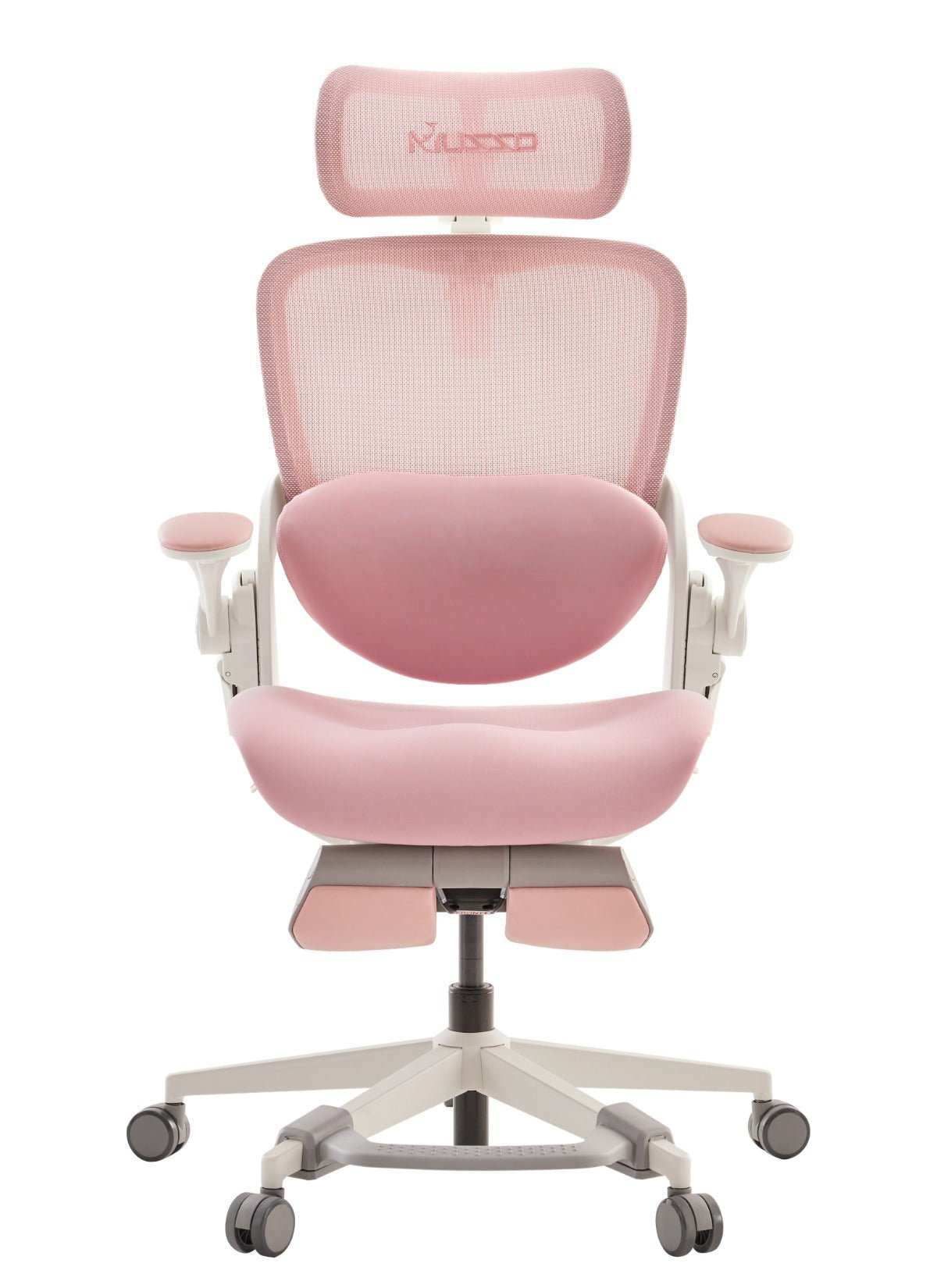
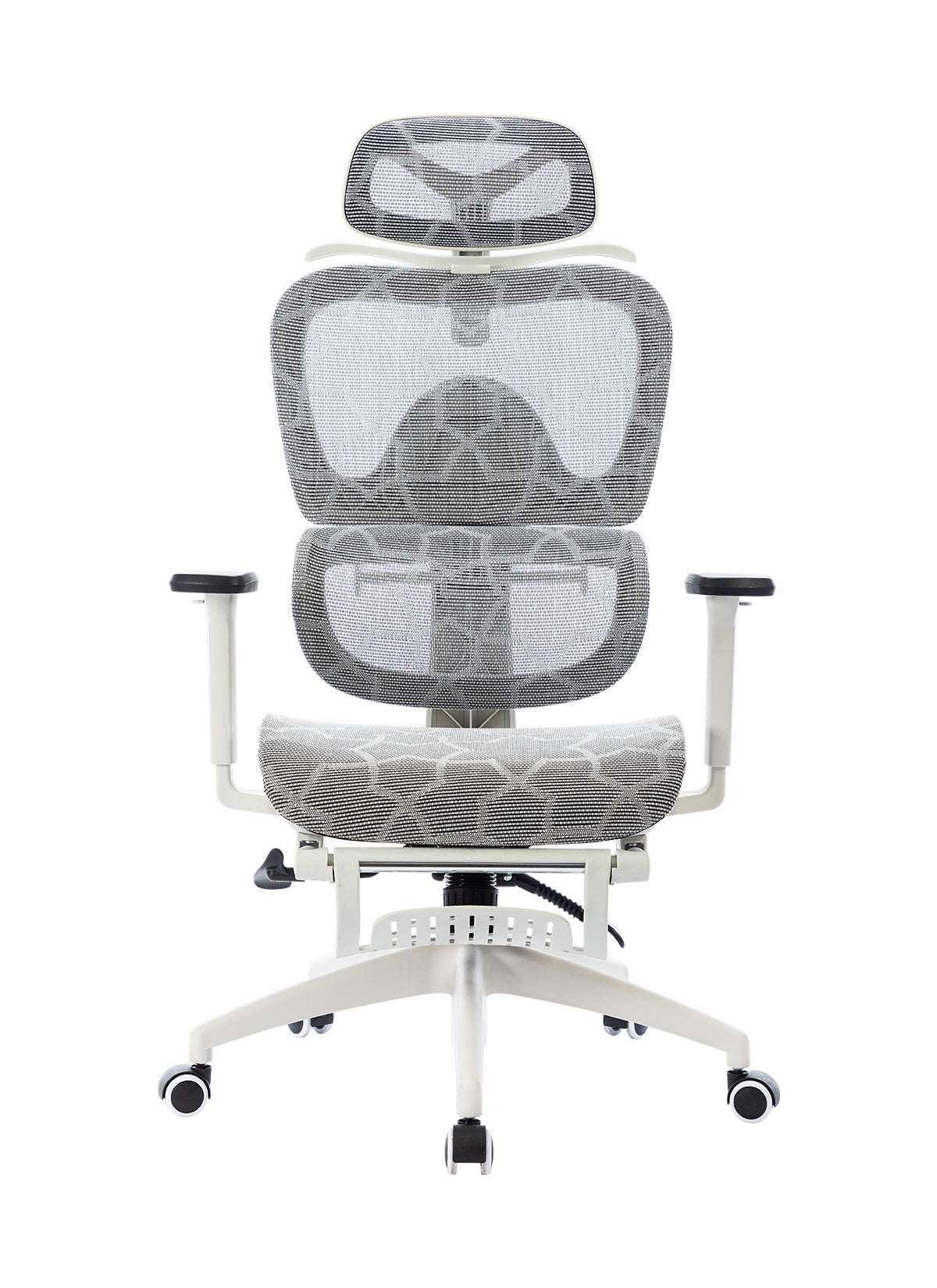
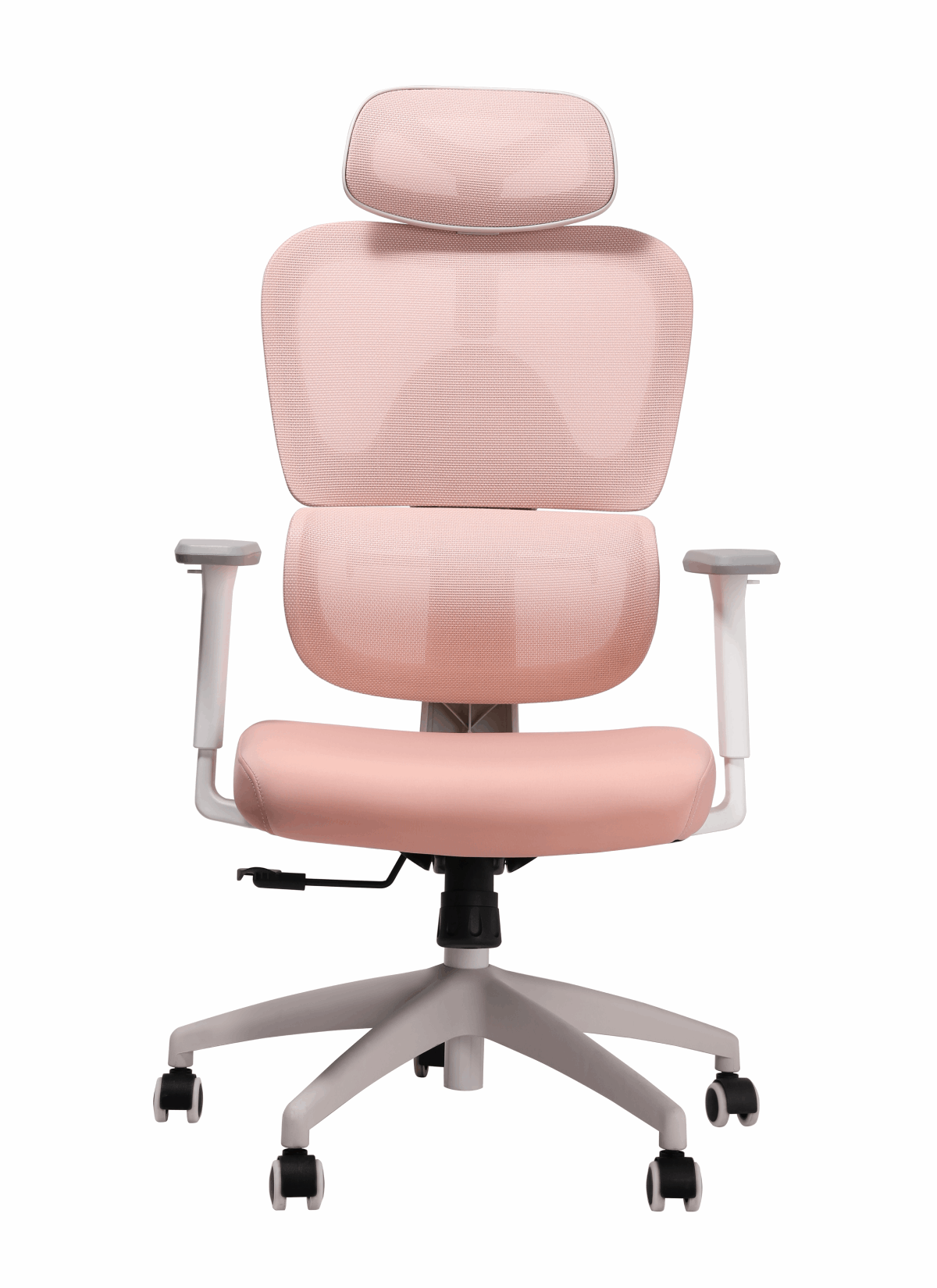
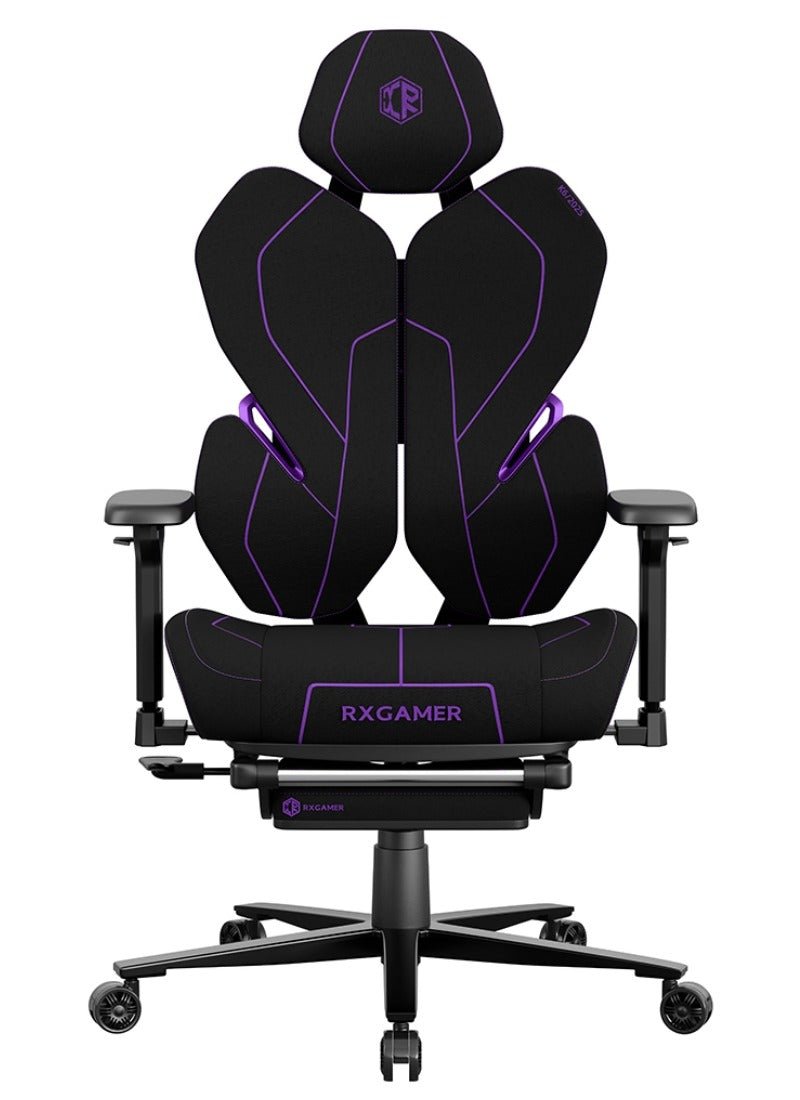
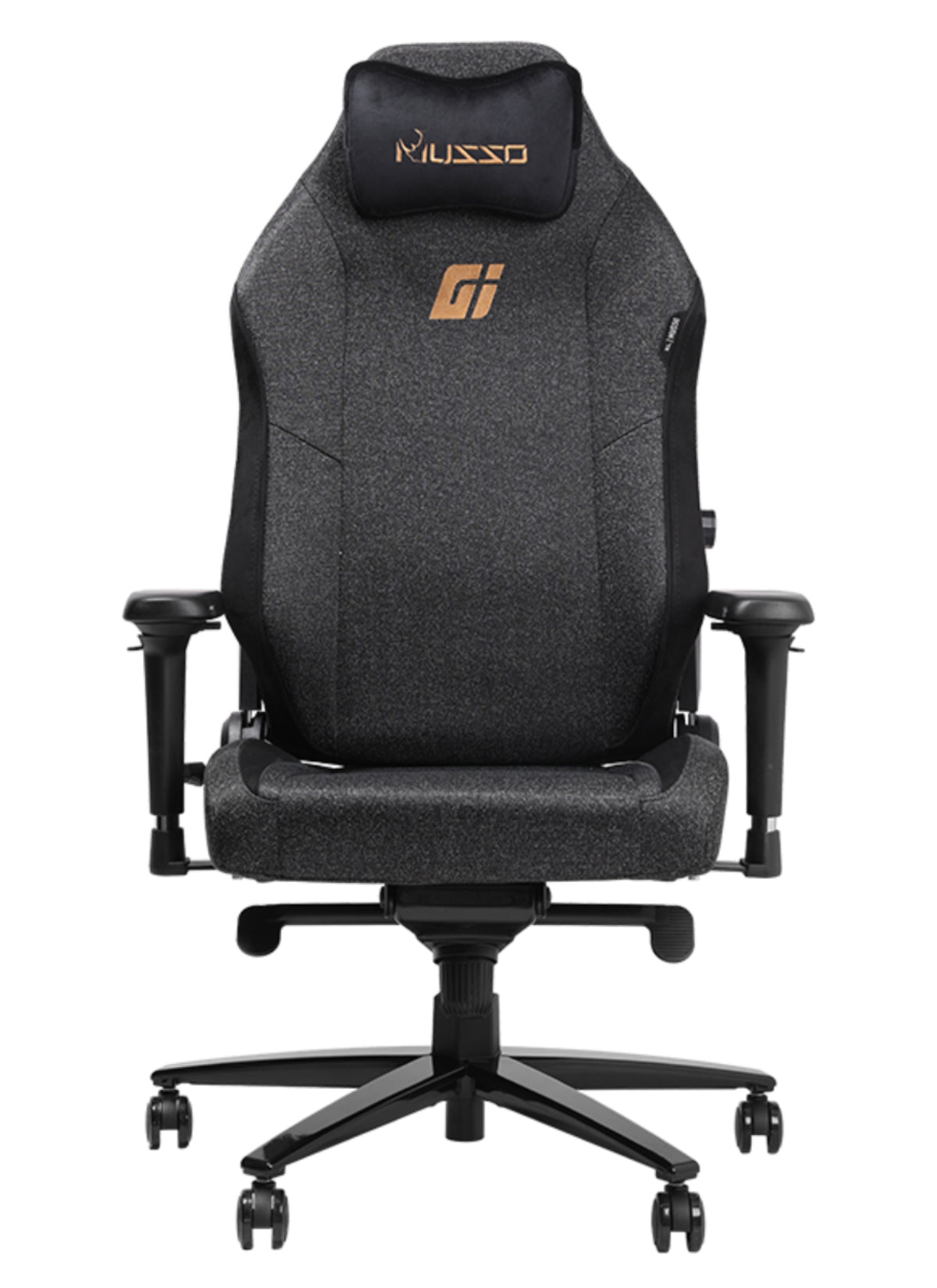
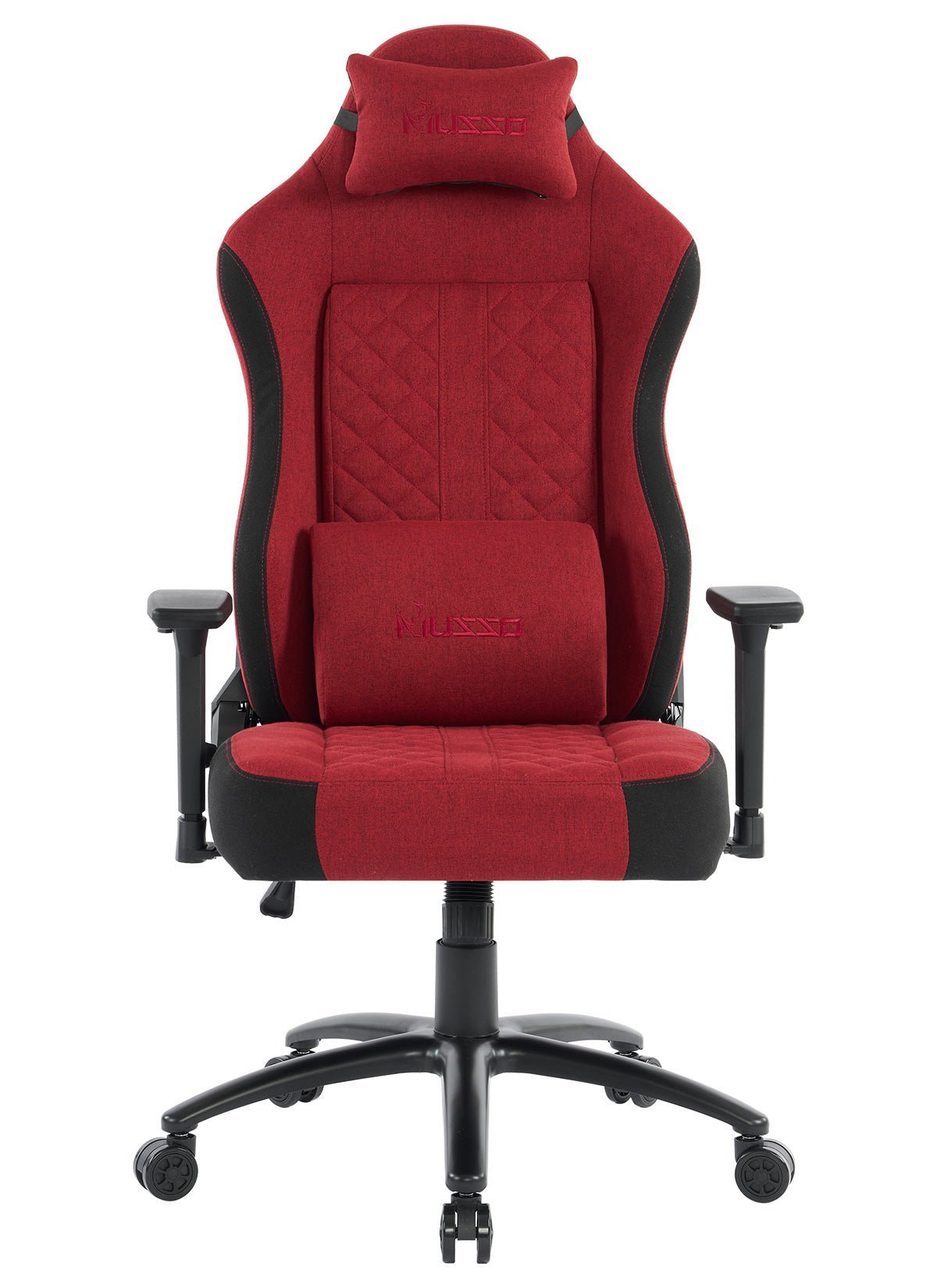
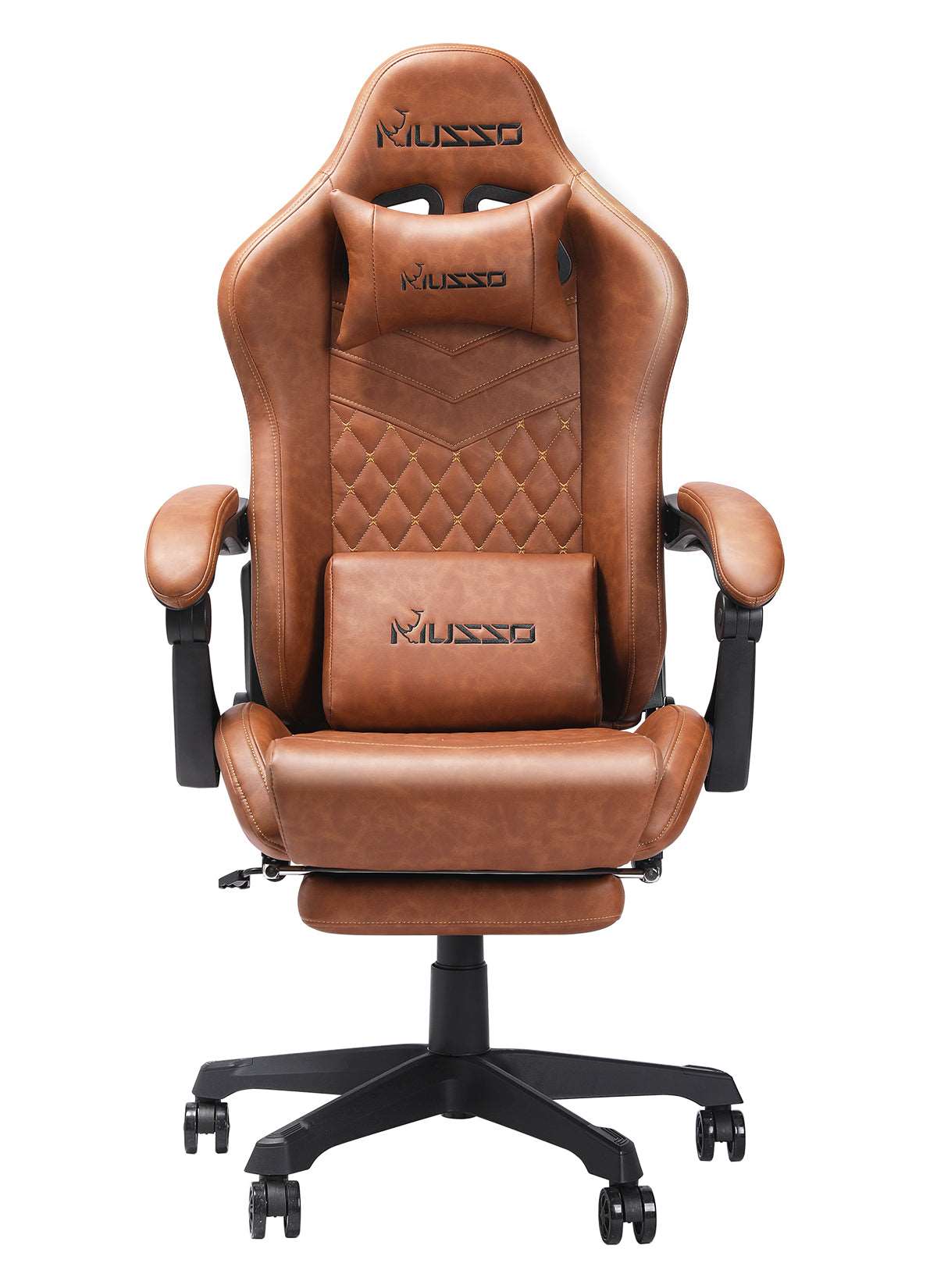
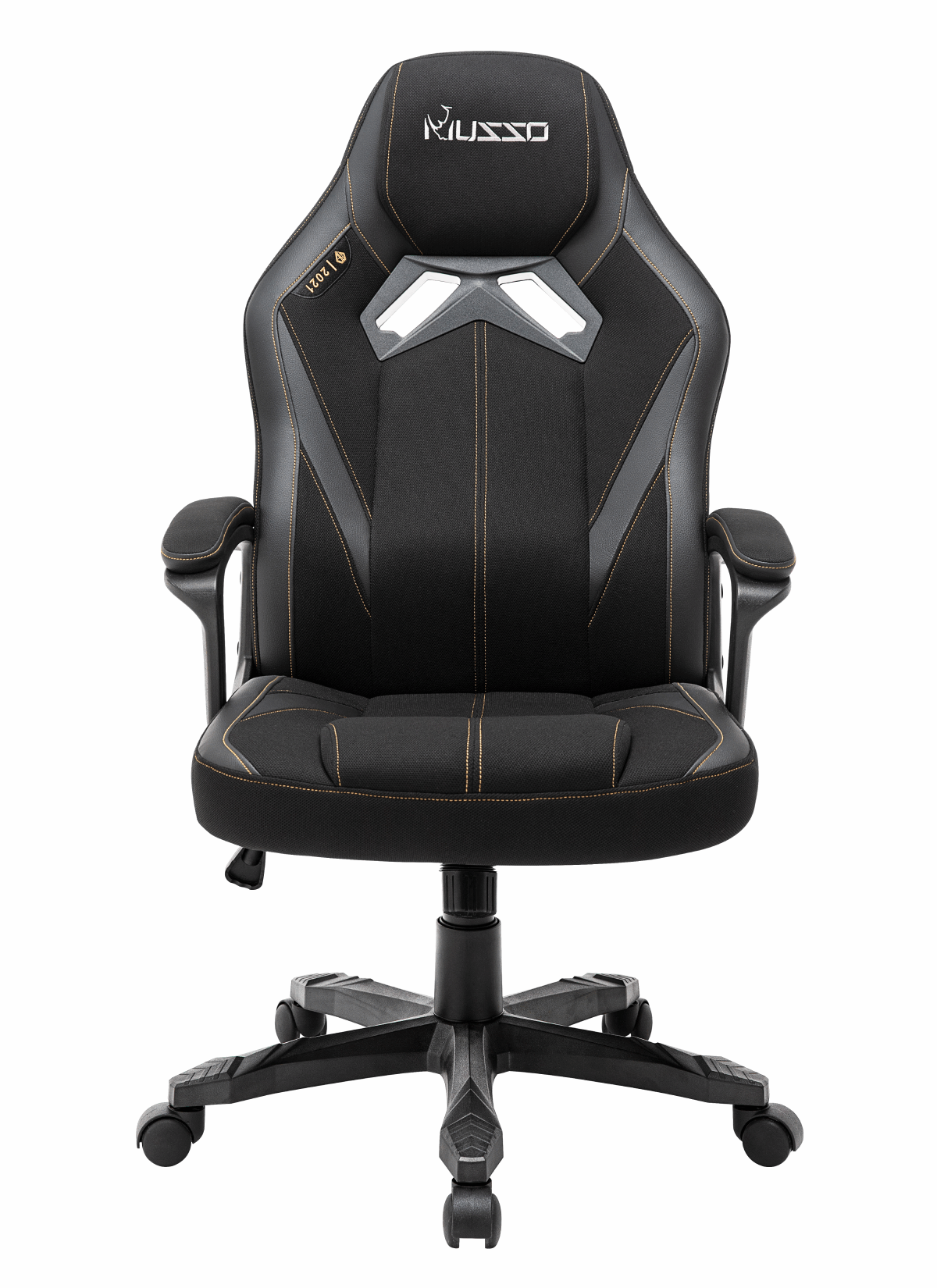
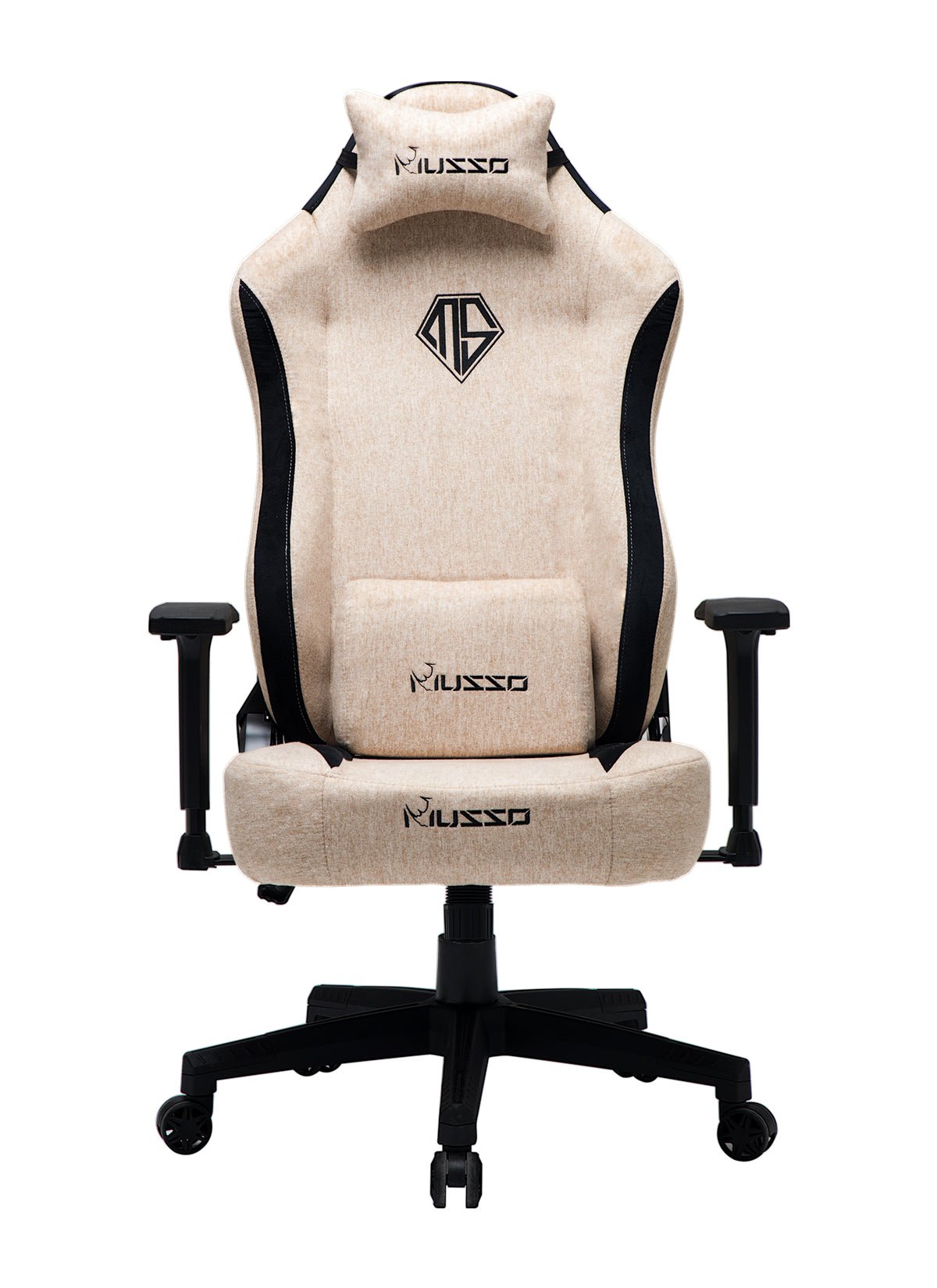
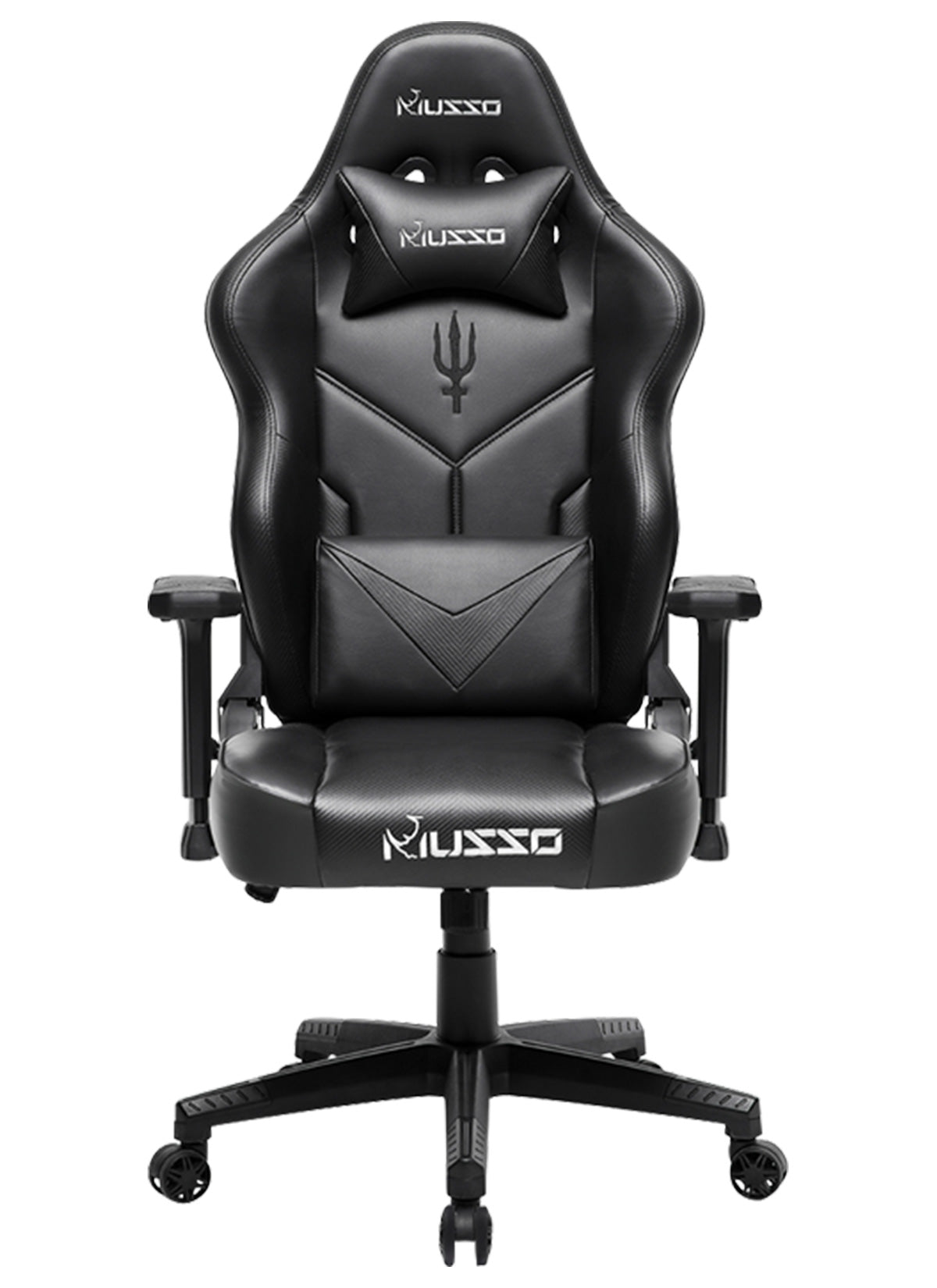
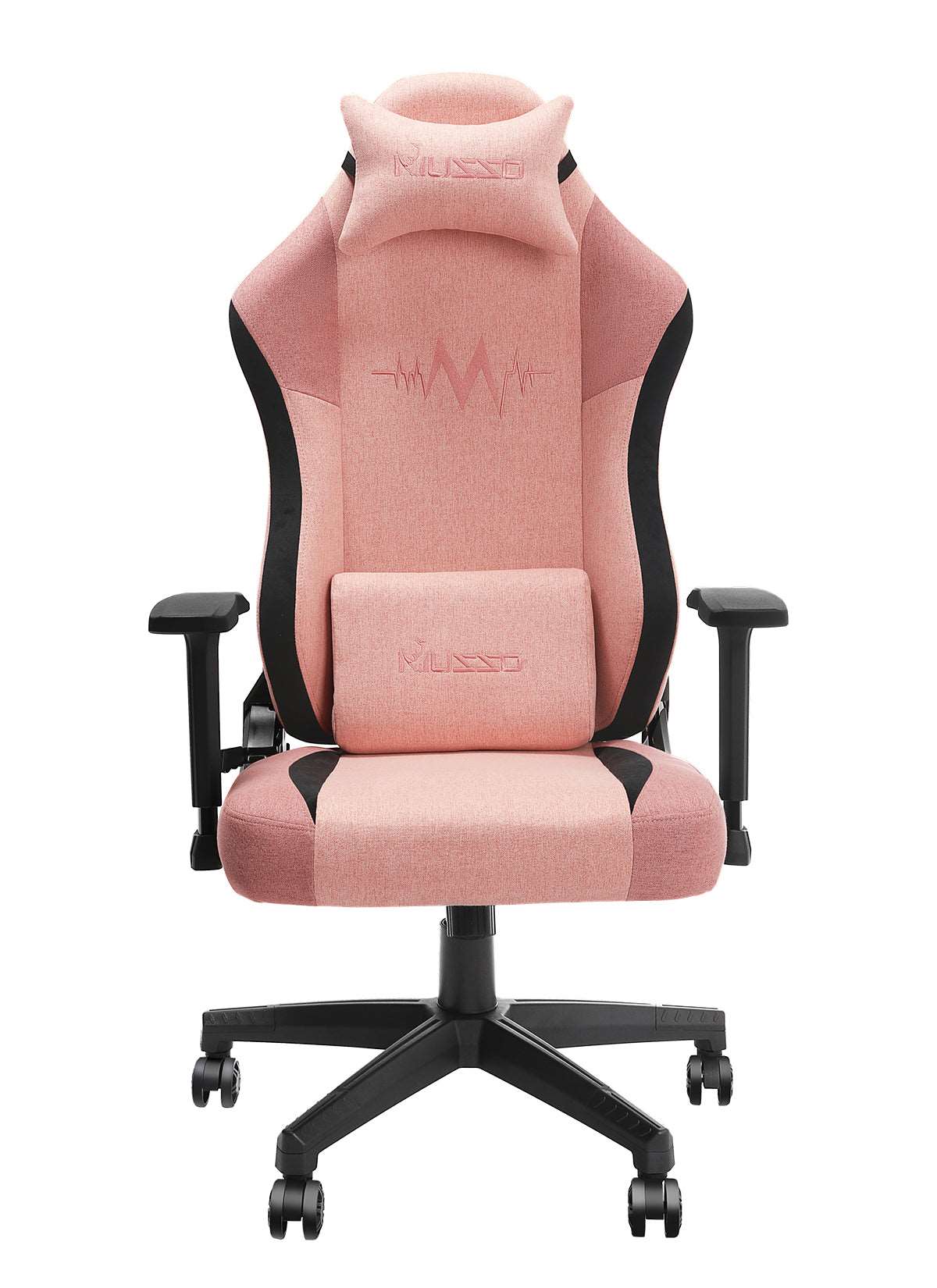
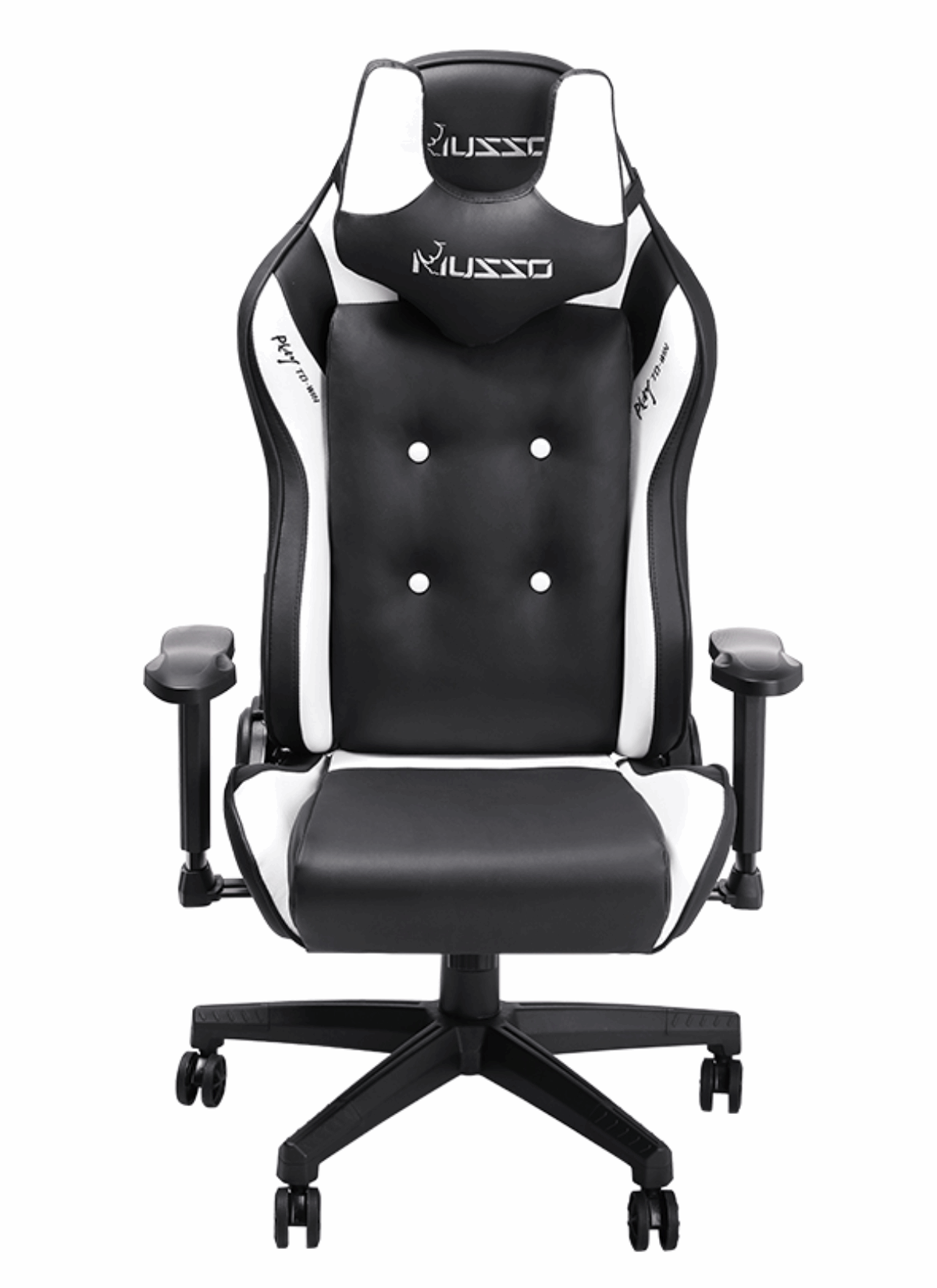
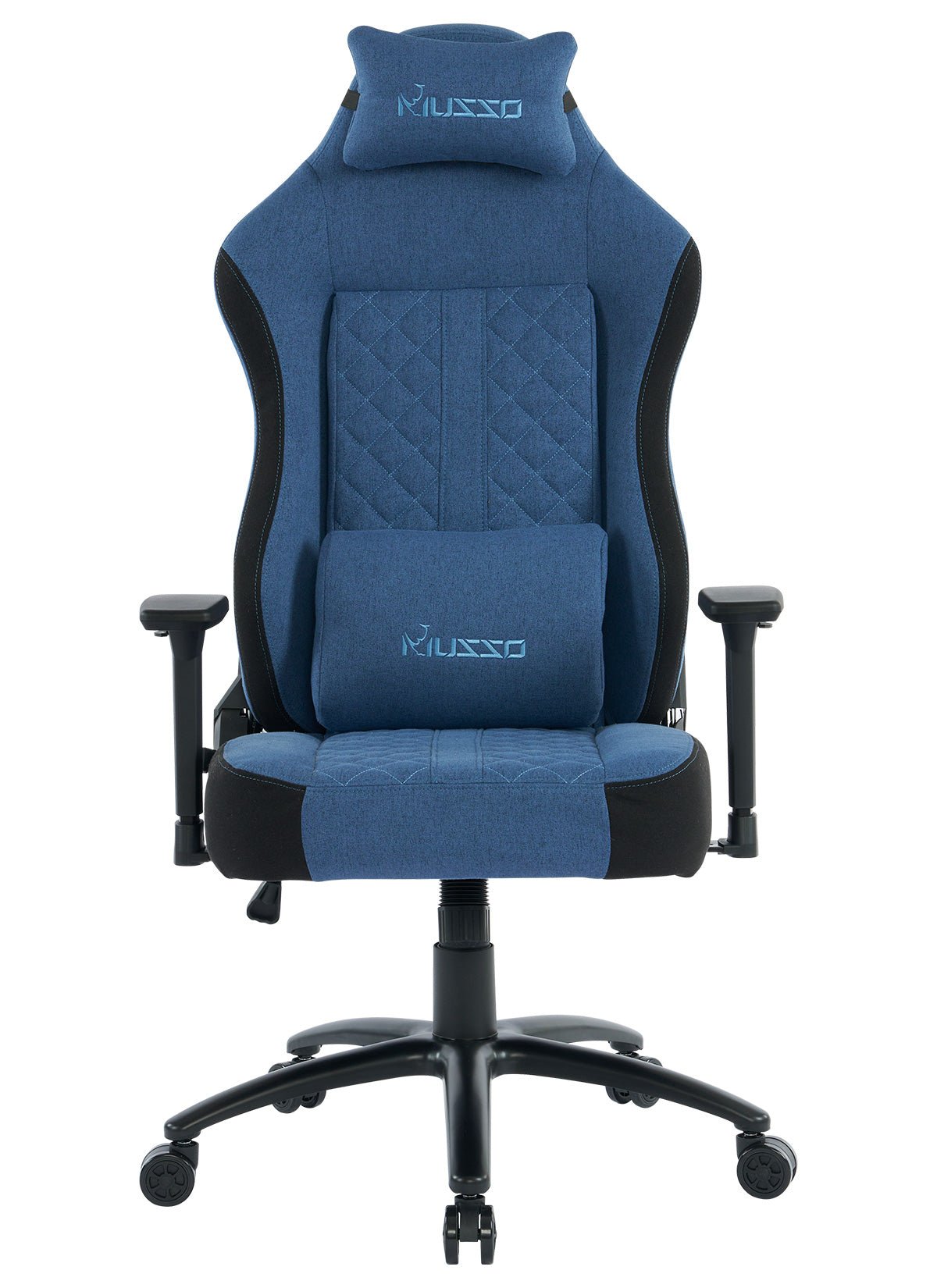
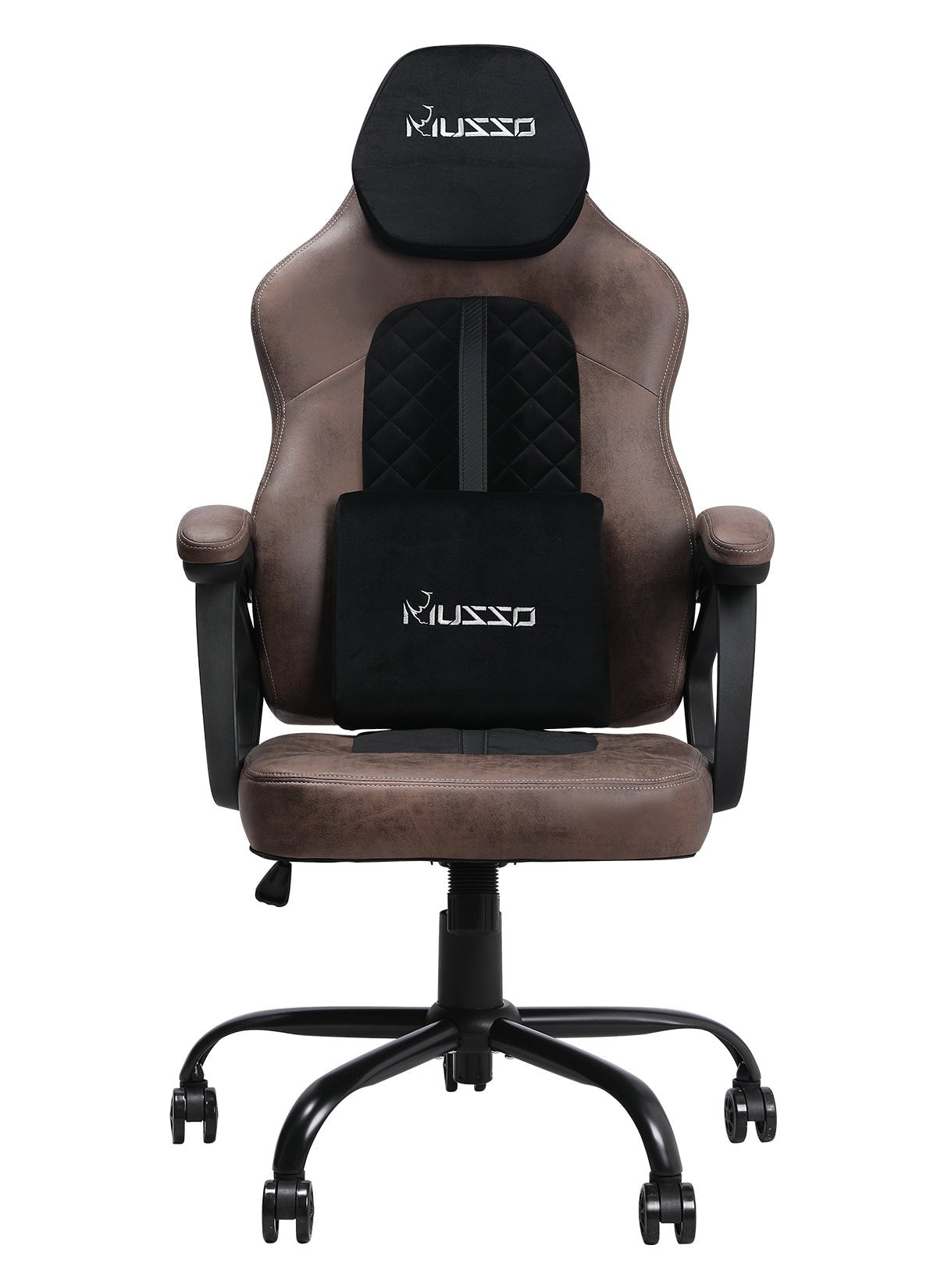
✔ Use an Ergonomic Chair
An ergonomic chair provides lumbar support and helps reduce spinal pressure.
✔ Optimize Your Work Environment
Make sure your screen height, desk, and chair are properly aligned and adjusted.

7. Conclusion: You're Not Getting Lazy—Your Body Is Sending Signals
Fatigue caused by prolonged sitting is not the result of a lack of stamina. Instead:
👉 Your body is operating under continuous, inefficient strain.
👉 Your muscles and circulatory system are not getting the movement and recovery they need.
Improving your sitting habits is often more important than simply taking a break.
