





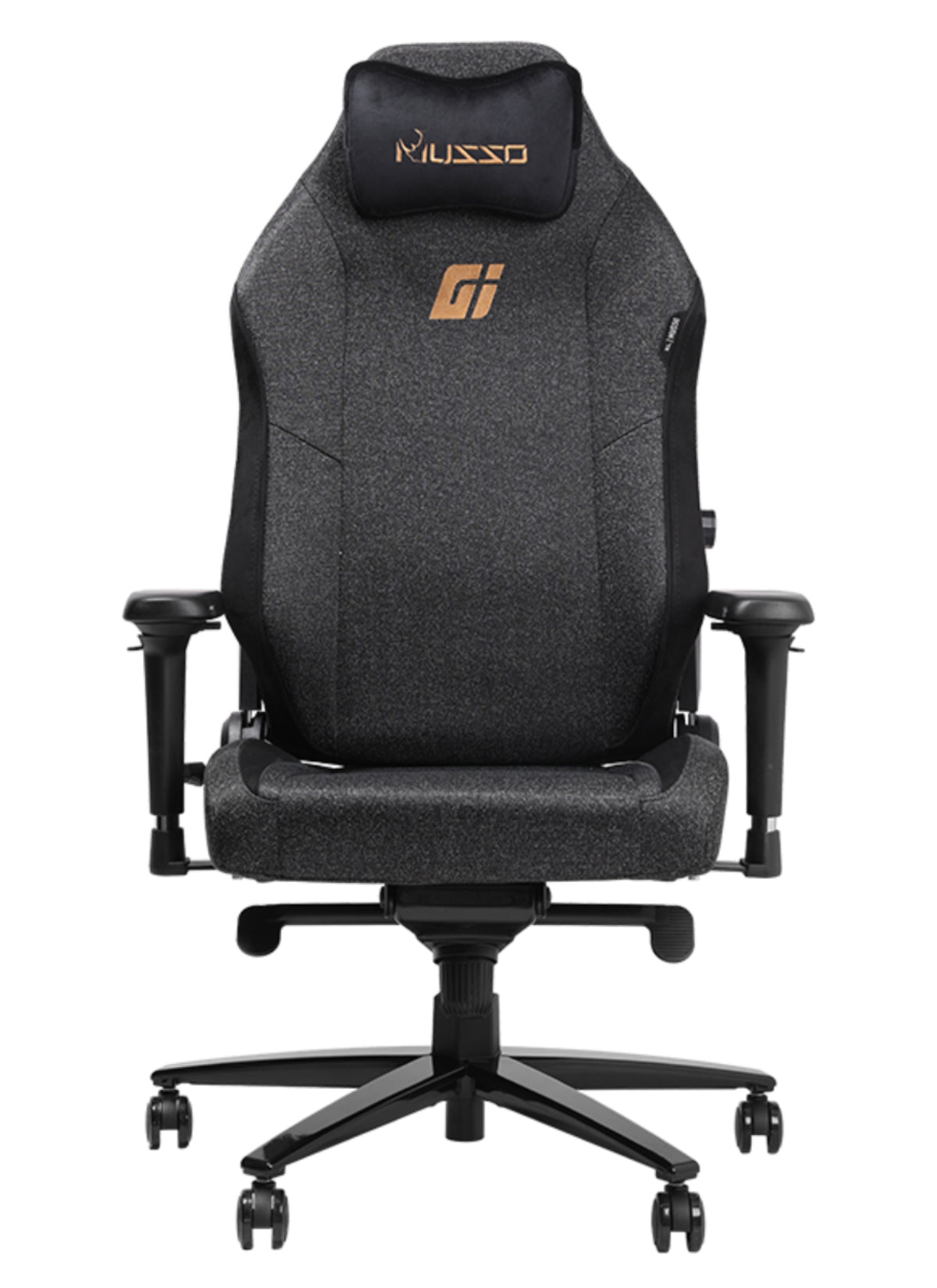
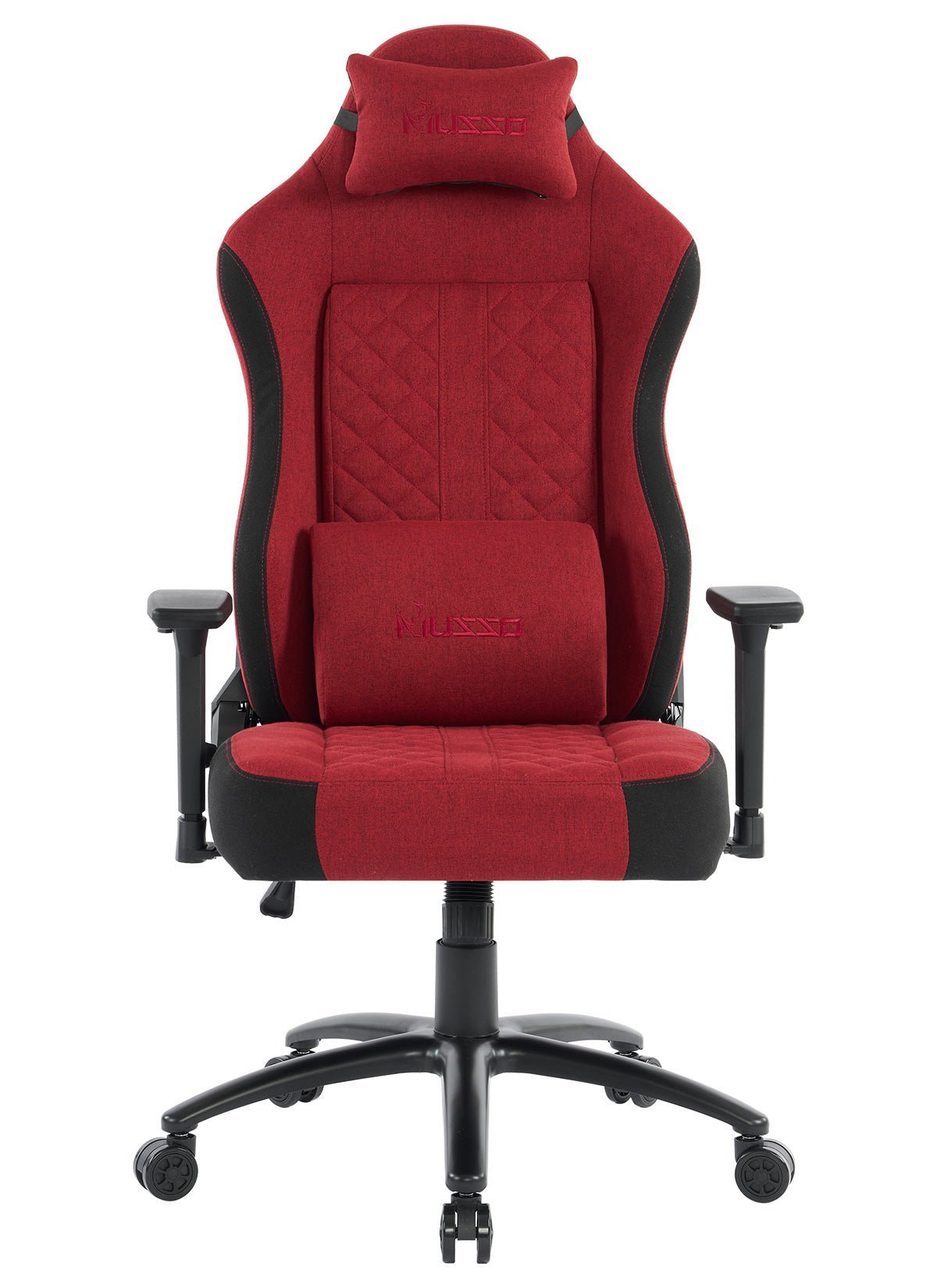
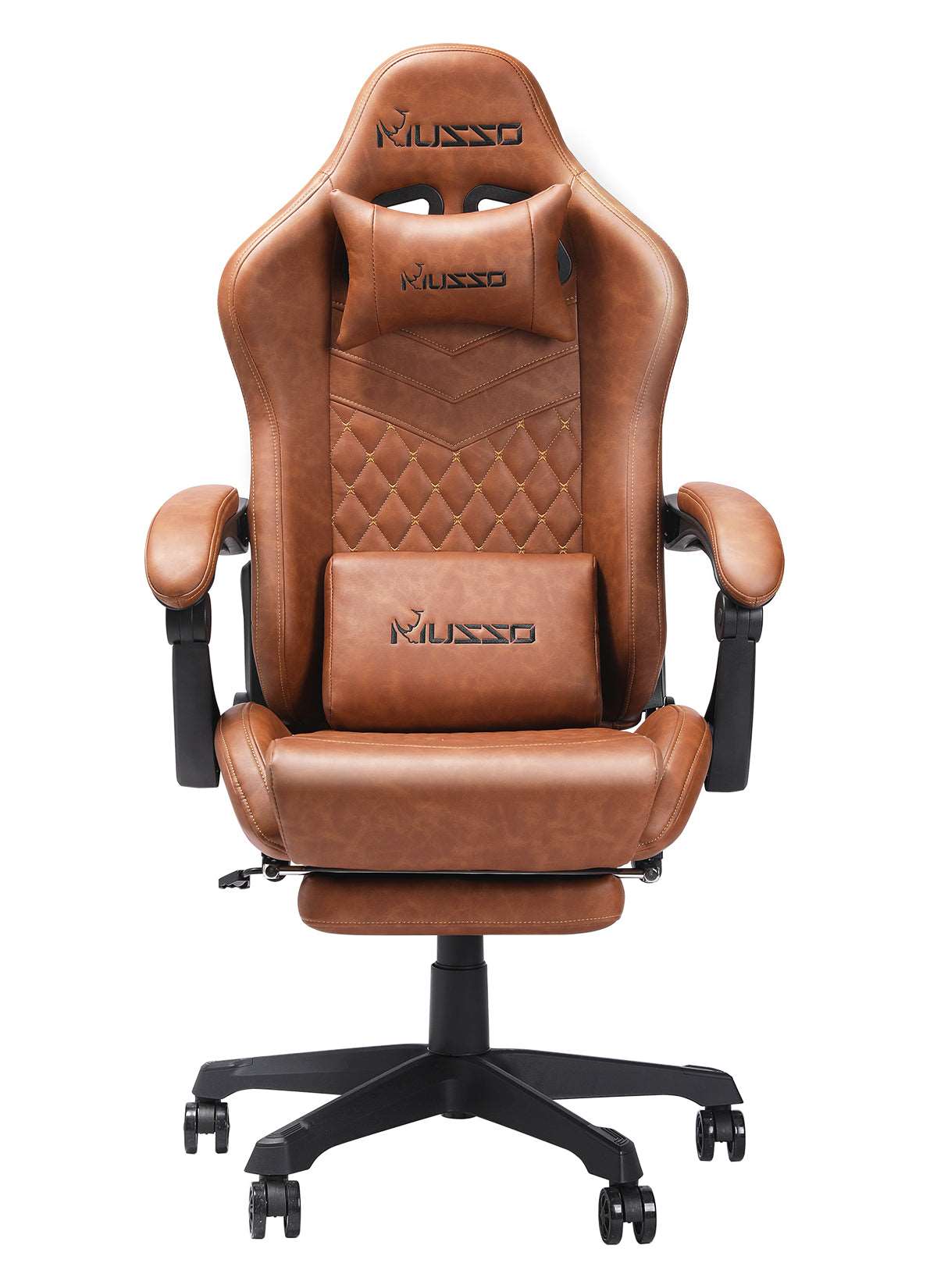
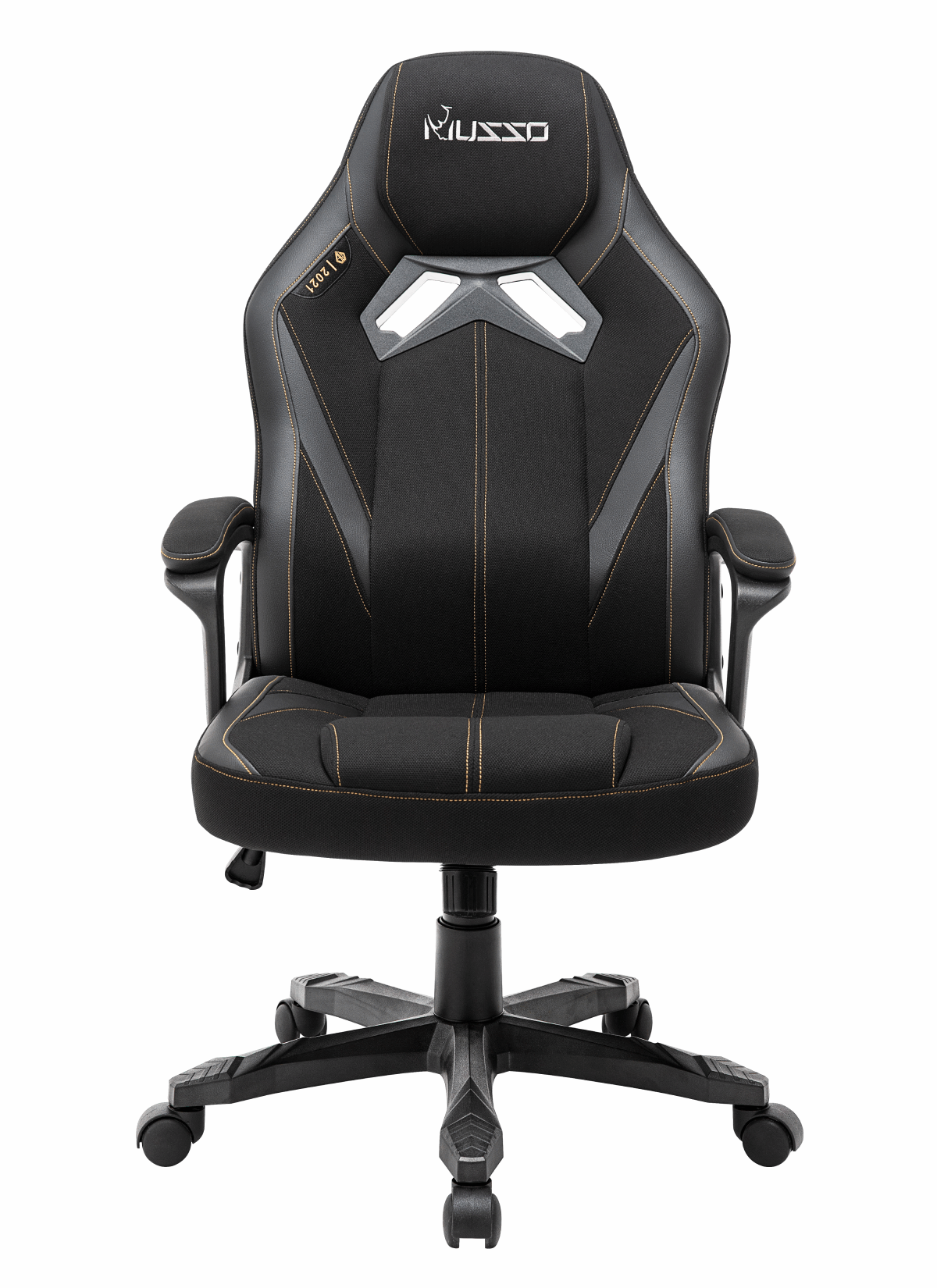


In today's pursuit of career-life balance, many women often ignore the subtle signals their bodies send, especially the "protests" from their backs. Did you know that, besides the well-known mechanical pressure on the spine from prolonged sitting at a desk, women's unique hormonal changes also subtly affect spinal health? Today, we'll combine scientific research to explore the dual challenges to women's spinal health and share how to protect your back through correct posture and suitable tools.
The spine is not only the pillar supporting the body but also a key passageway for the nervous system. For women, spinal health is closely related to hormone levels.
Studies show that the prevalence of lower back pain is significantly higher in postmenopausal women than in men of the same age. This is not accidental. During menopause, dramatic fluctuations and a decline in estrogen levels affect various tissues of the spine. This hormonal withdrawal leads to decreased cushioning capacity of the intervertebral discs; it also contributes to facet joint osteoarthritis, ligament hypertrophy, and reduced muscle strength. This explains why many women experience persistent lower back pain after entering menopause, even without obvious external injury.
Furthermore, hormonal changes can affect the curvature of the spine. Studies have found that women who use hormone therapy in early menopause have a lower risk of age-related kyphosis. This further confirms the important role of estrogen in maintaining bone density and vertebral shape.

Innate Structure: Why Are Women Naturally More Prone to "Coccyx Pain"?
Besides hormonal factors, women's innate physiological structure also puts the spine at a "disadvantage" when bearing pressure. Compared to men, women's coccyx is smaller, positioned lower, and curves backward at a greater angle. When sitting, this area experiences greater pressure than in men.
Prolonged Sitting: The "Silent Killer" in the Office
If hormones are the internal cause, then sedentary habits in modern office environments are the main external factor harming women's spinal health.
When we comfortably sink into our chairs, our spines are subjected to significant abnormal pressure.
Increased Pressure on the Lumbar Spine: When you sit for extended periods, especially with poor posture, the pressure on your lumbar spine can be up to four times greater than when lying down. This continuous pressure disrupts the natural physiological balance of the lumbar spine.
Pelvic Tilt and Rotation: Habitually crossing your legs places the pelvis in a tilted and rotated position. Data shows that people who frequently cross their legs are three times more likely to develop pelvic tilt than others.
Muscle Fatigue and Strain: Maintaining any posture for too long causes certain muscles to bear continuous strain. When soft tissues become fatigued, the body recruits other muscles to compensate, which not only expands the area of strain but may also lead to micro-damage in the intervertebral discs.

Ergonomic Support: Physically Protecting the Spine
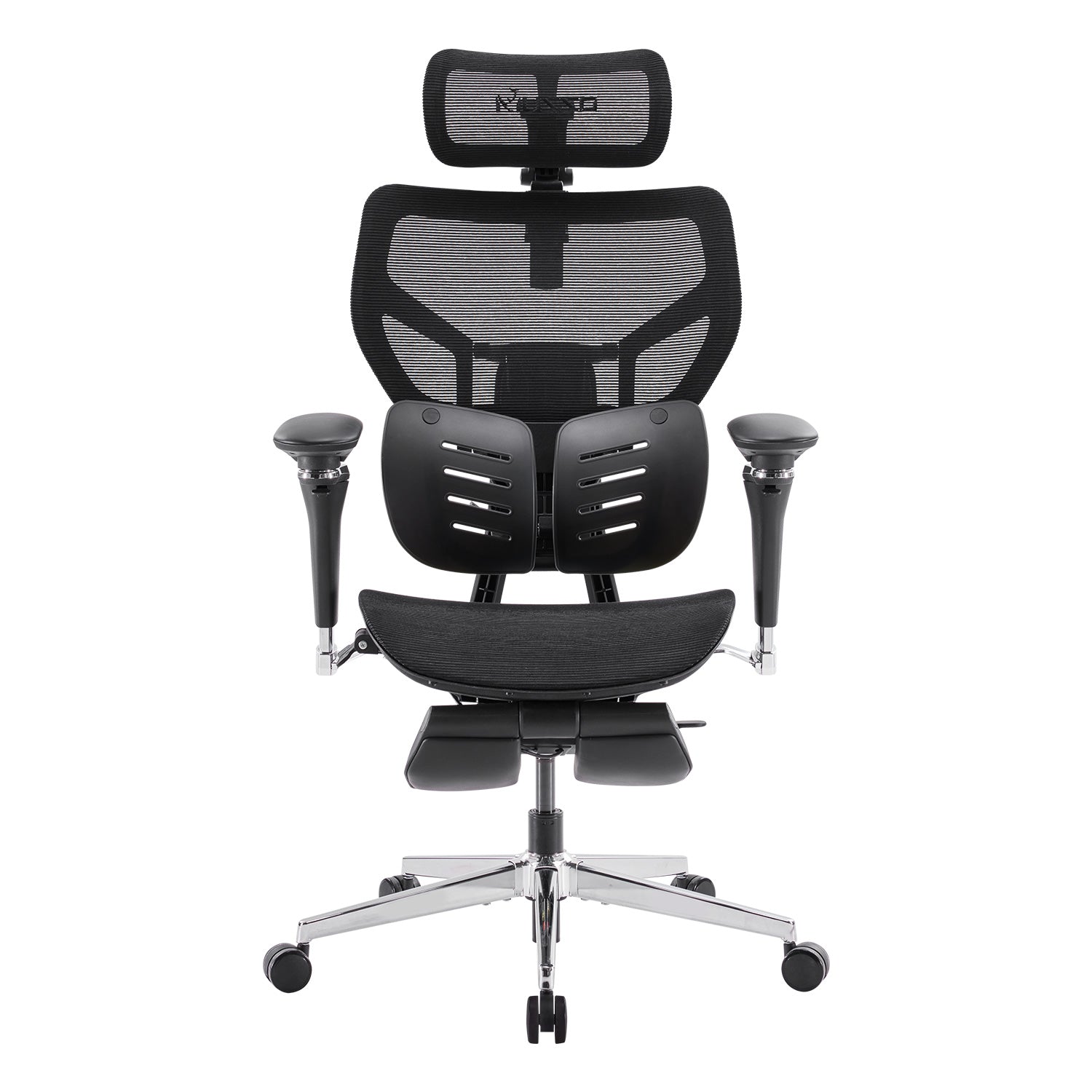
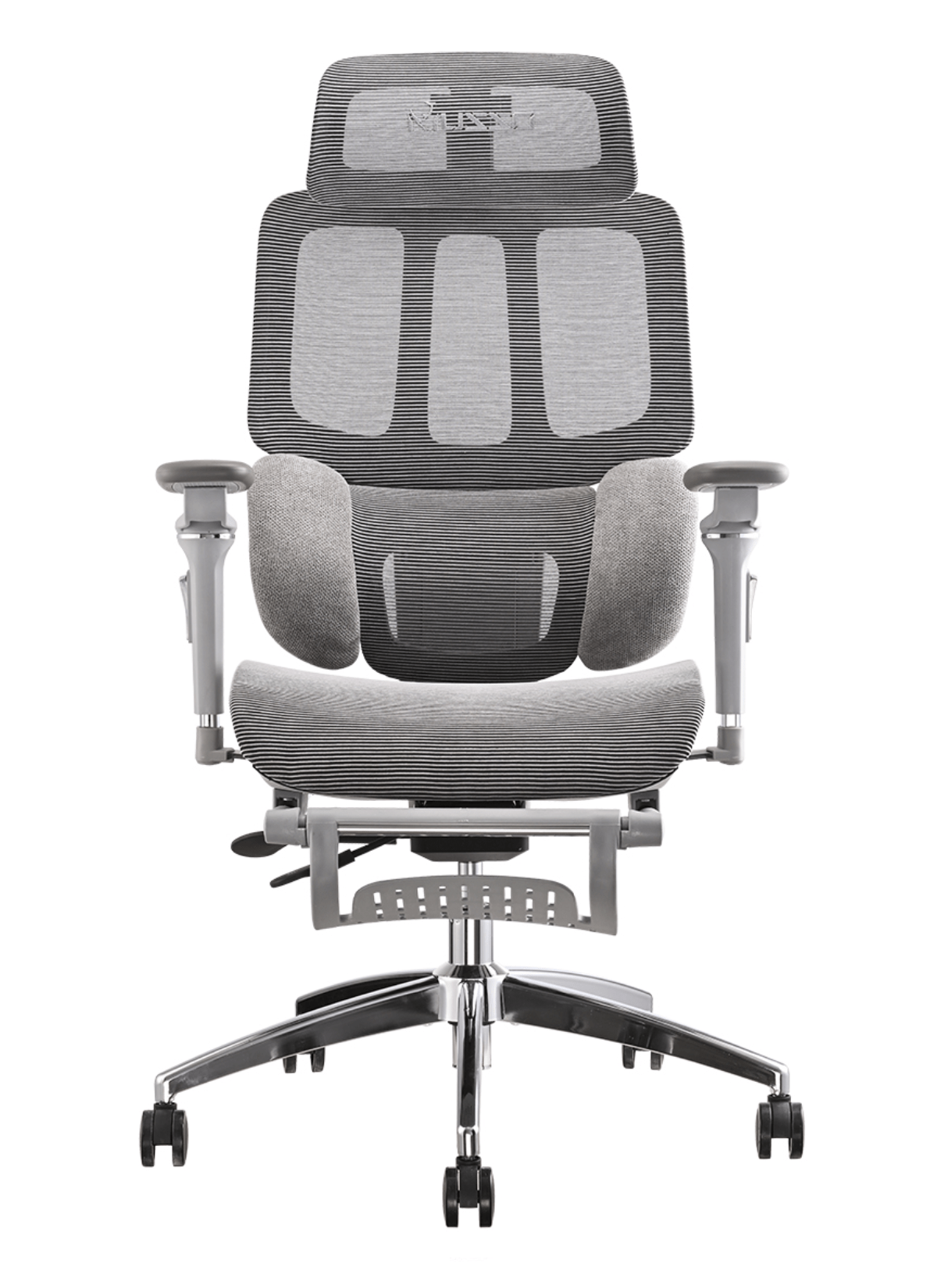
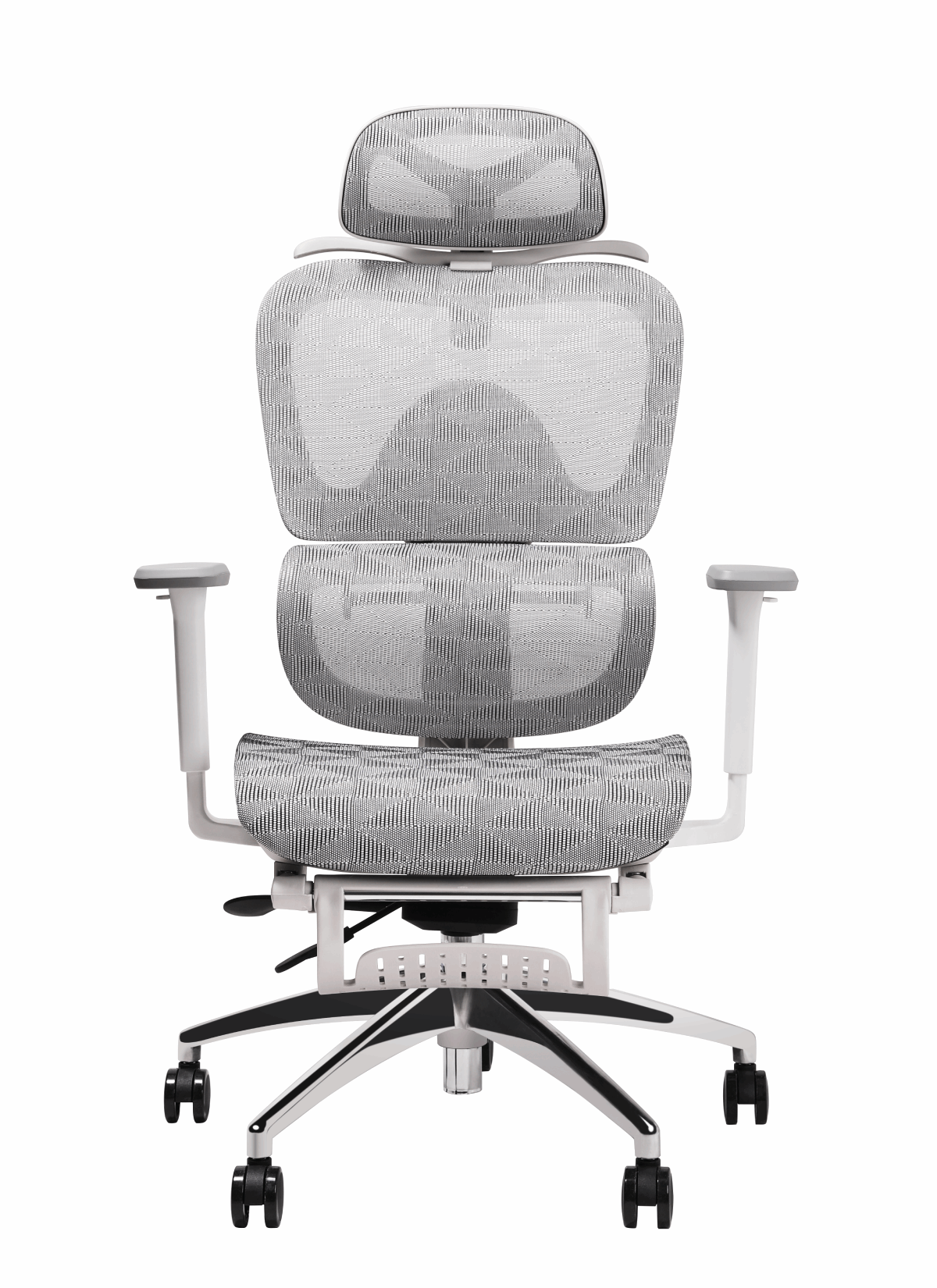
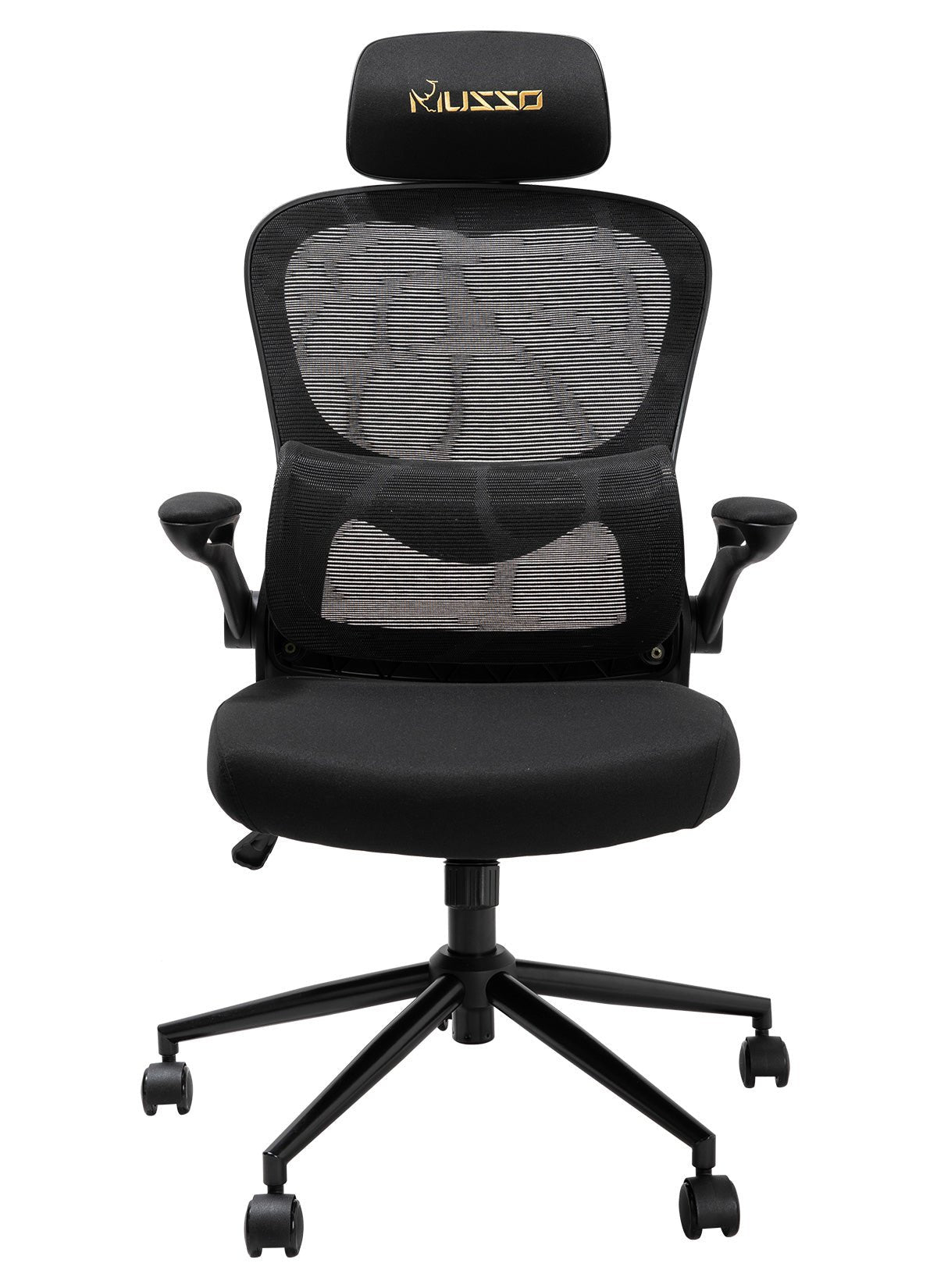
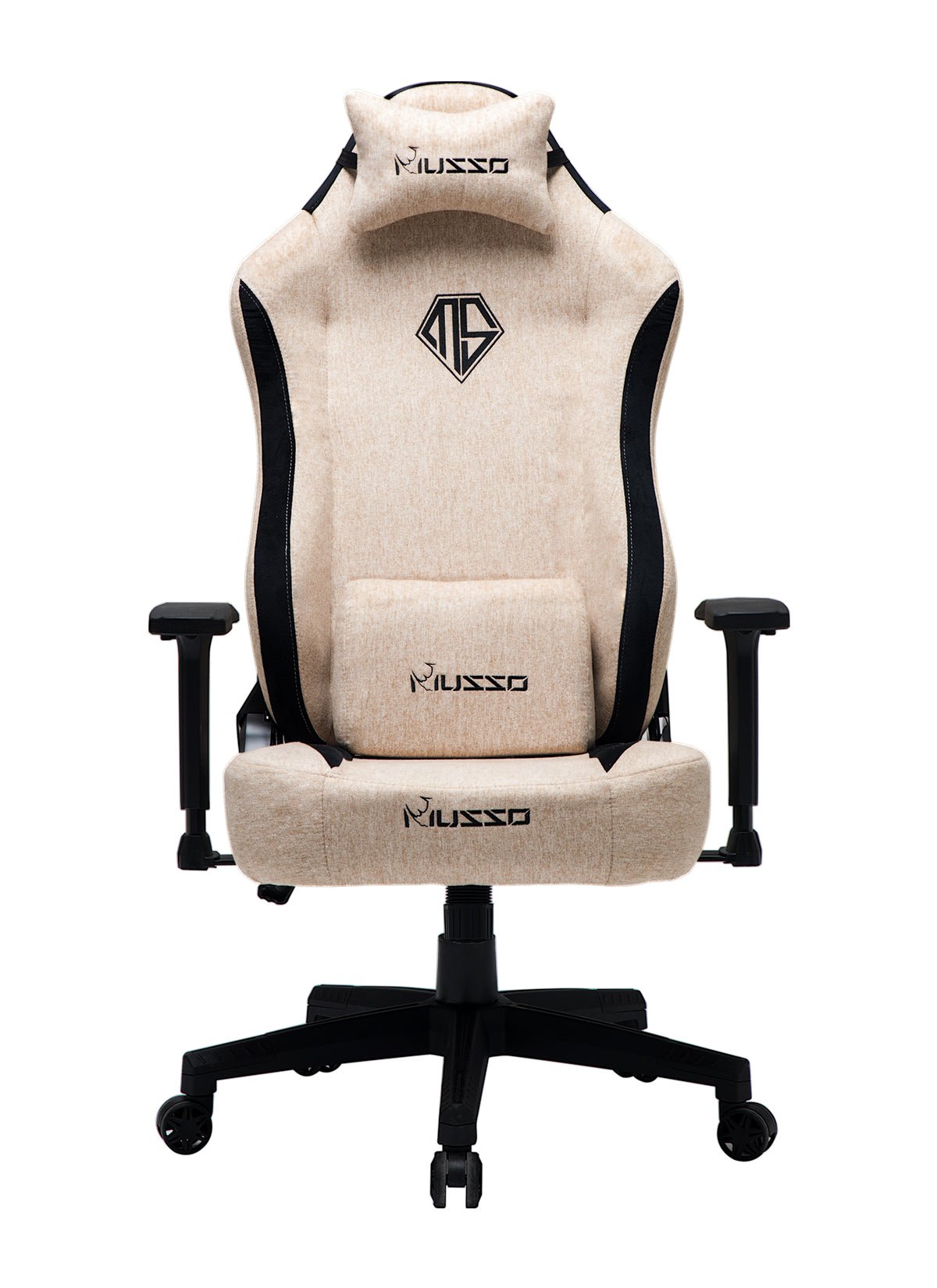
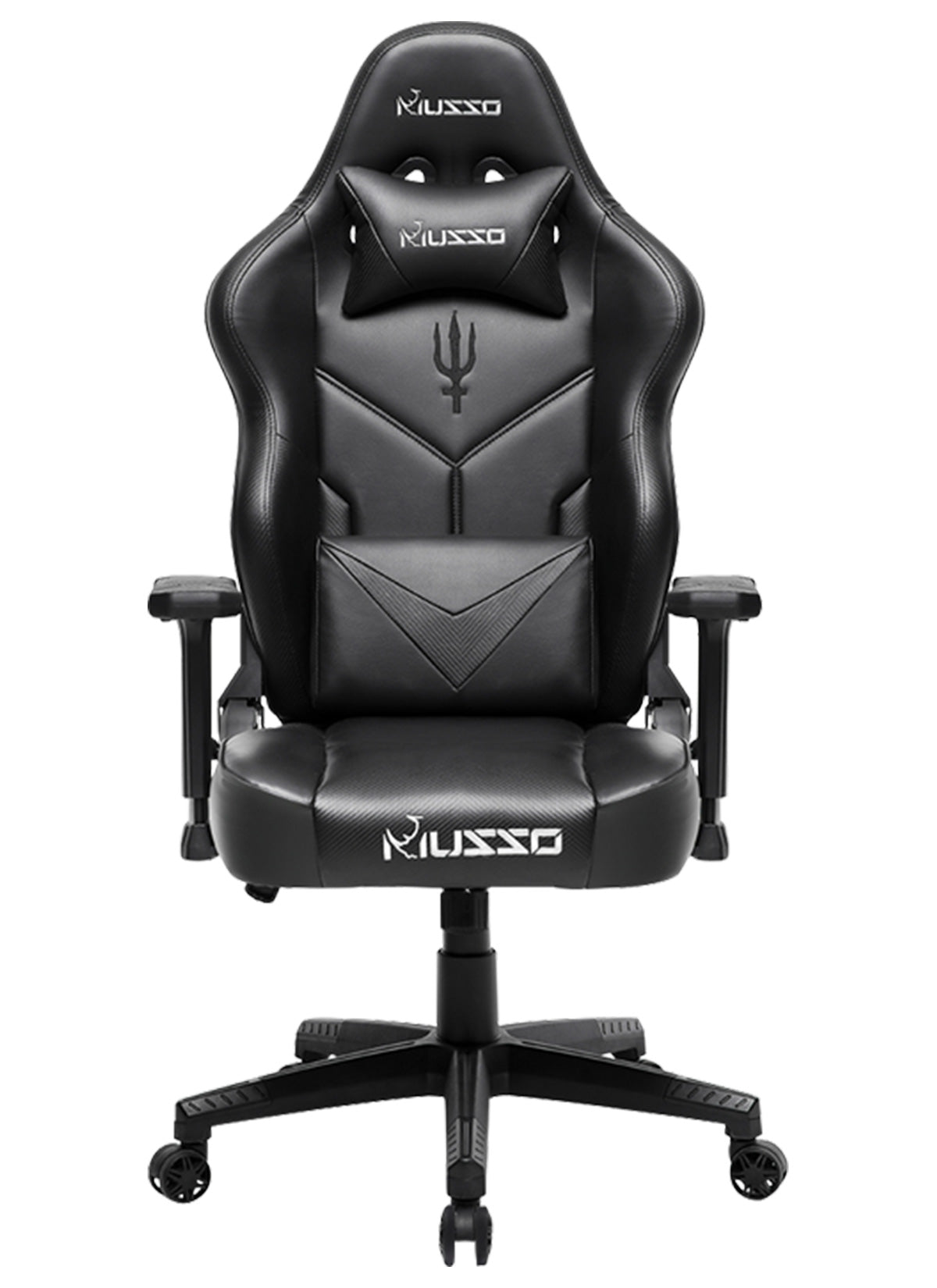
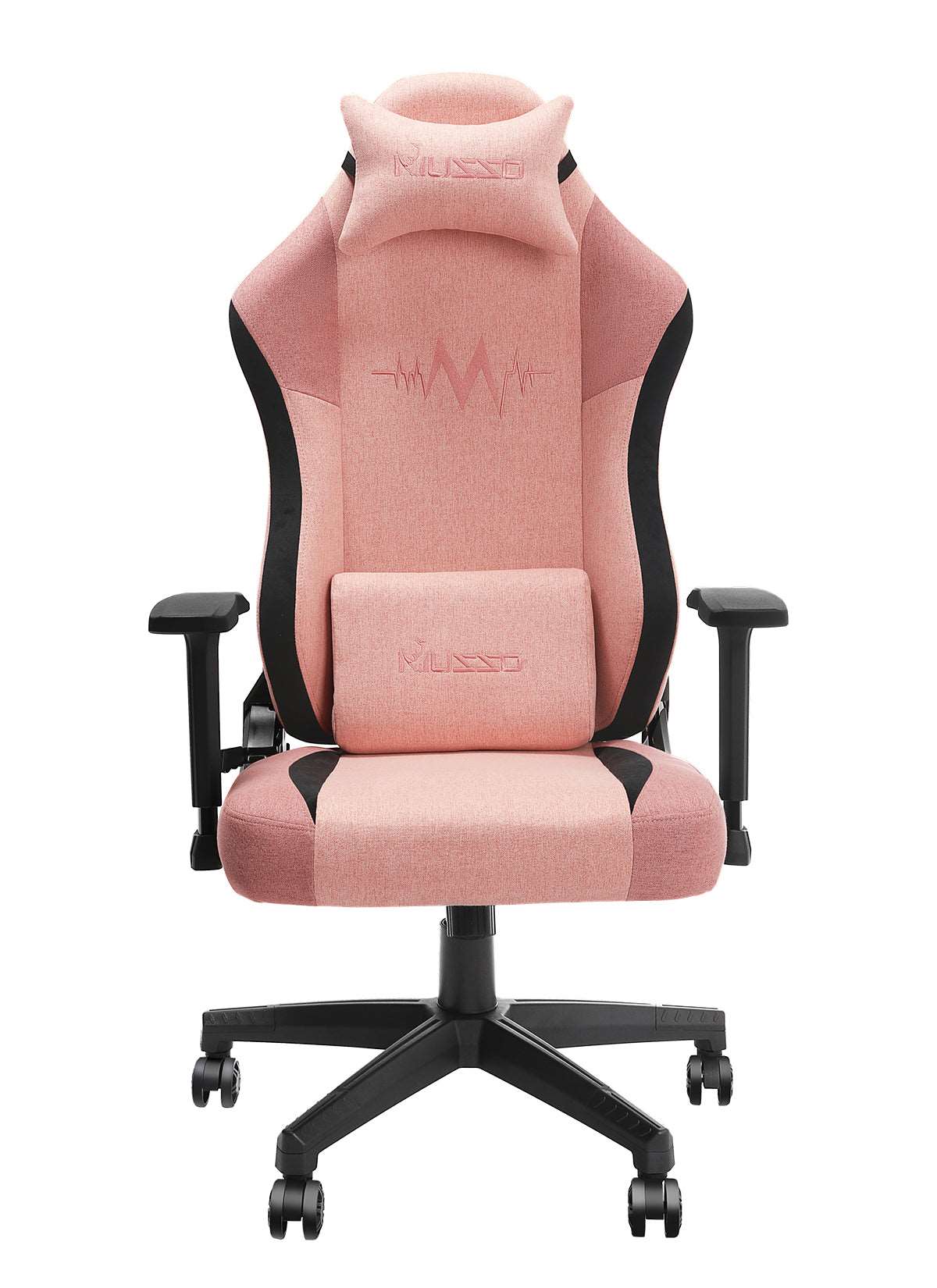
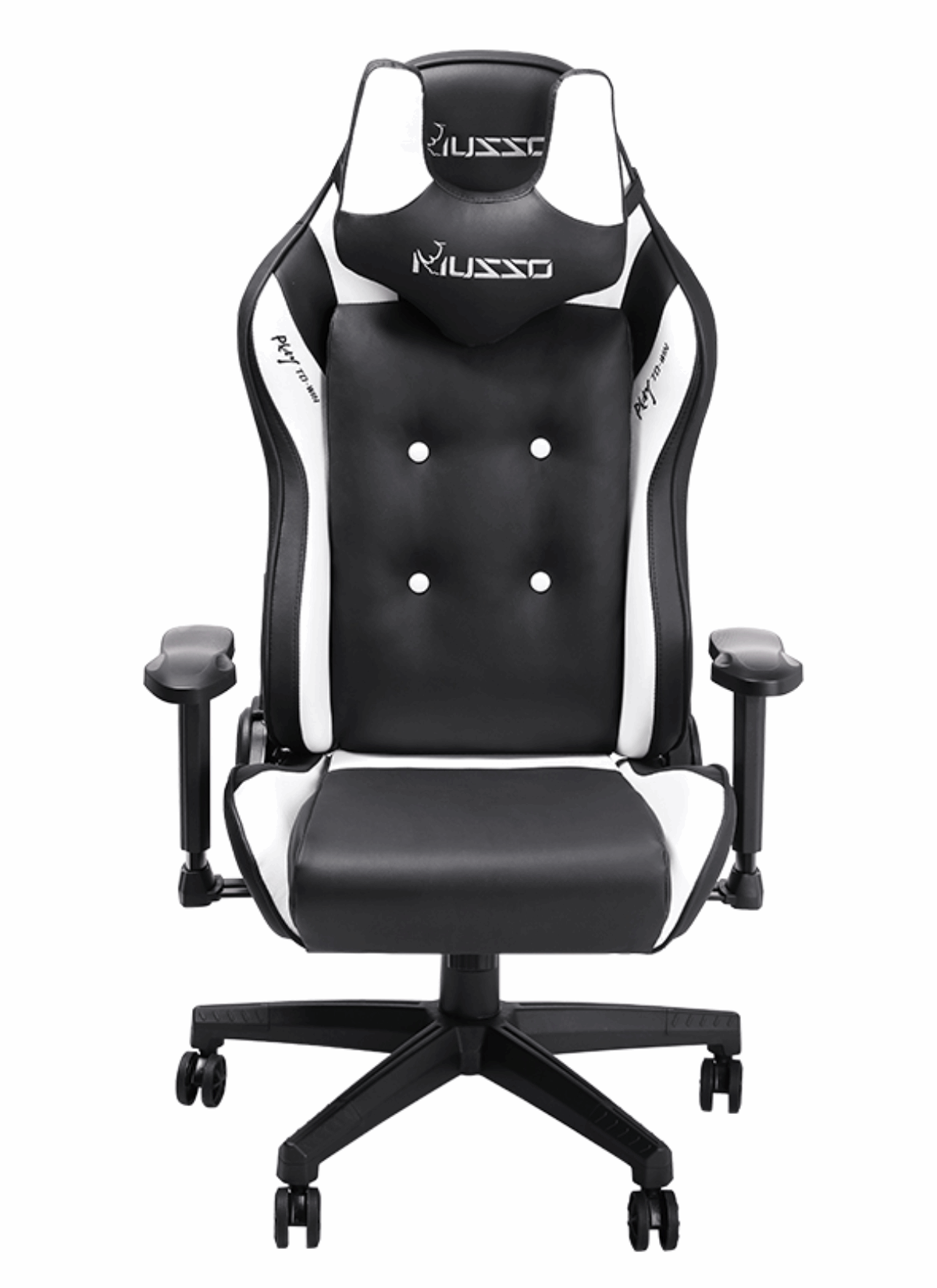
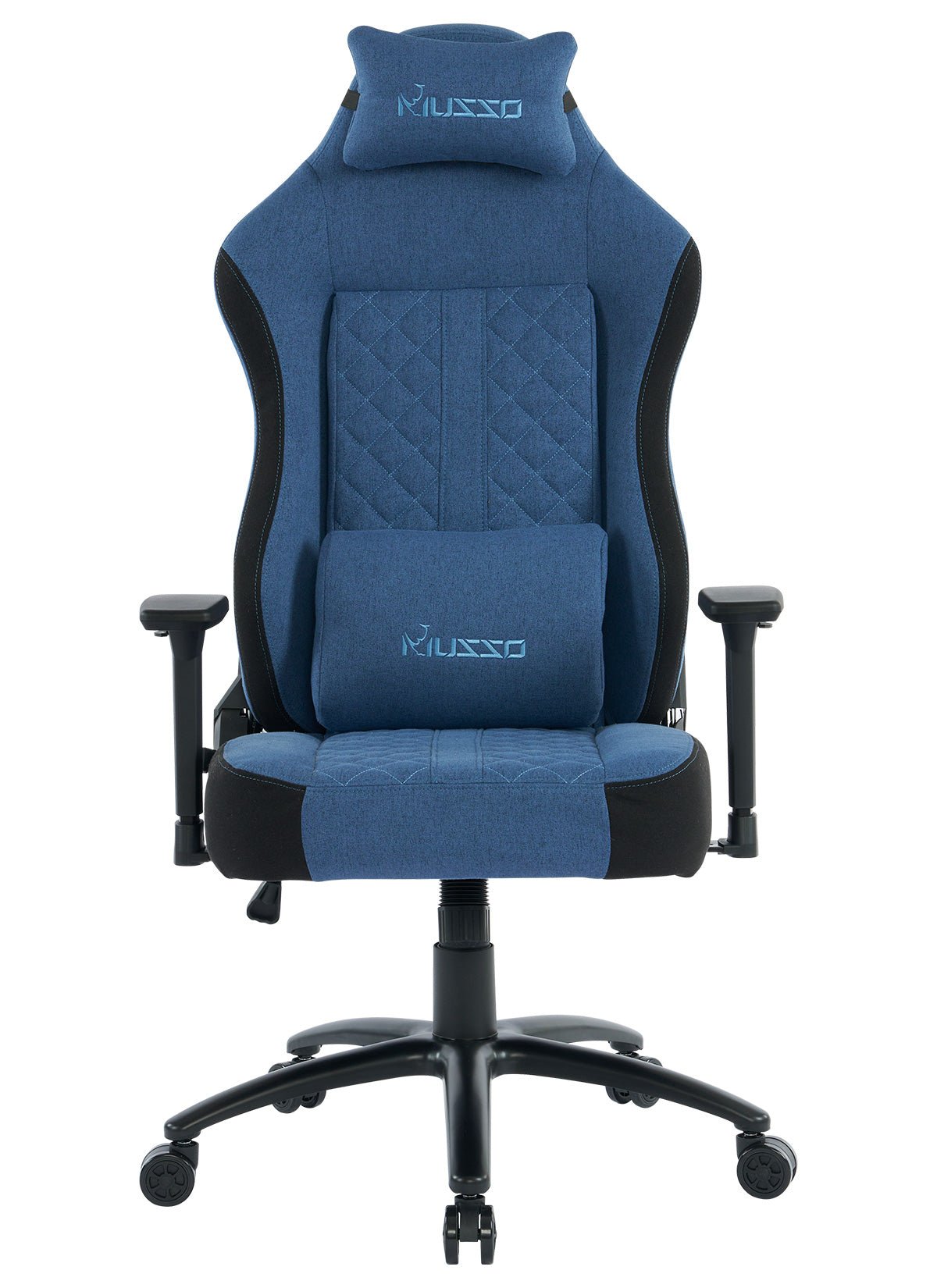
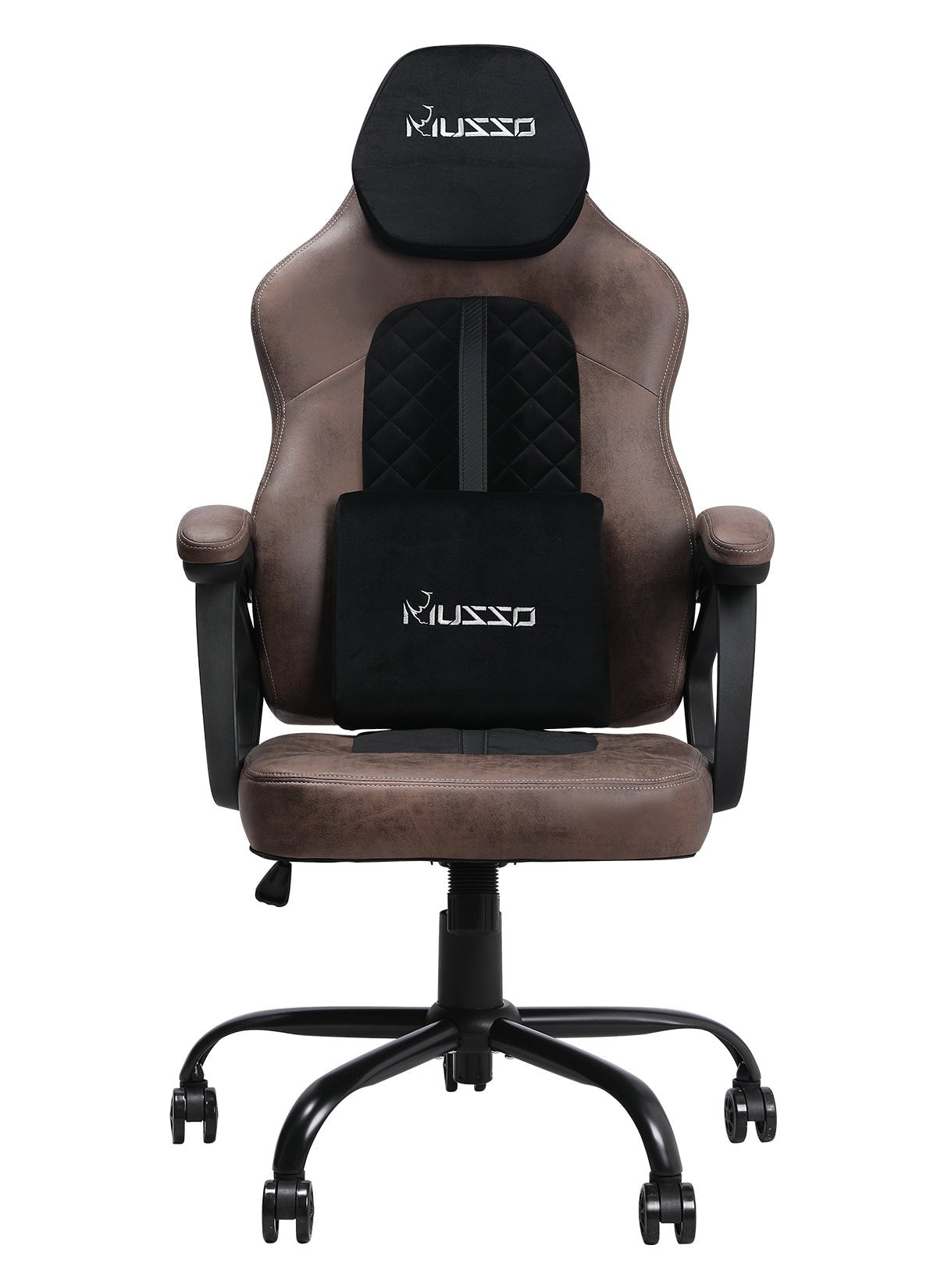
Faced with the internal challenges of hormonal changes and the external pressure of prolonged sitting, women need more precise support when choosing an office chair. An ergonomic chair should adapt to our bodies, rather than forcing the body to adapt to the chair. Providing a solid "backbone" for the spine is key to alleviating the damage caused by prolonged sitting.
1. Dynamic Support to Combat Lumbar Pressure
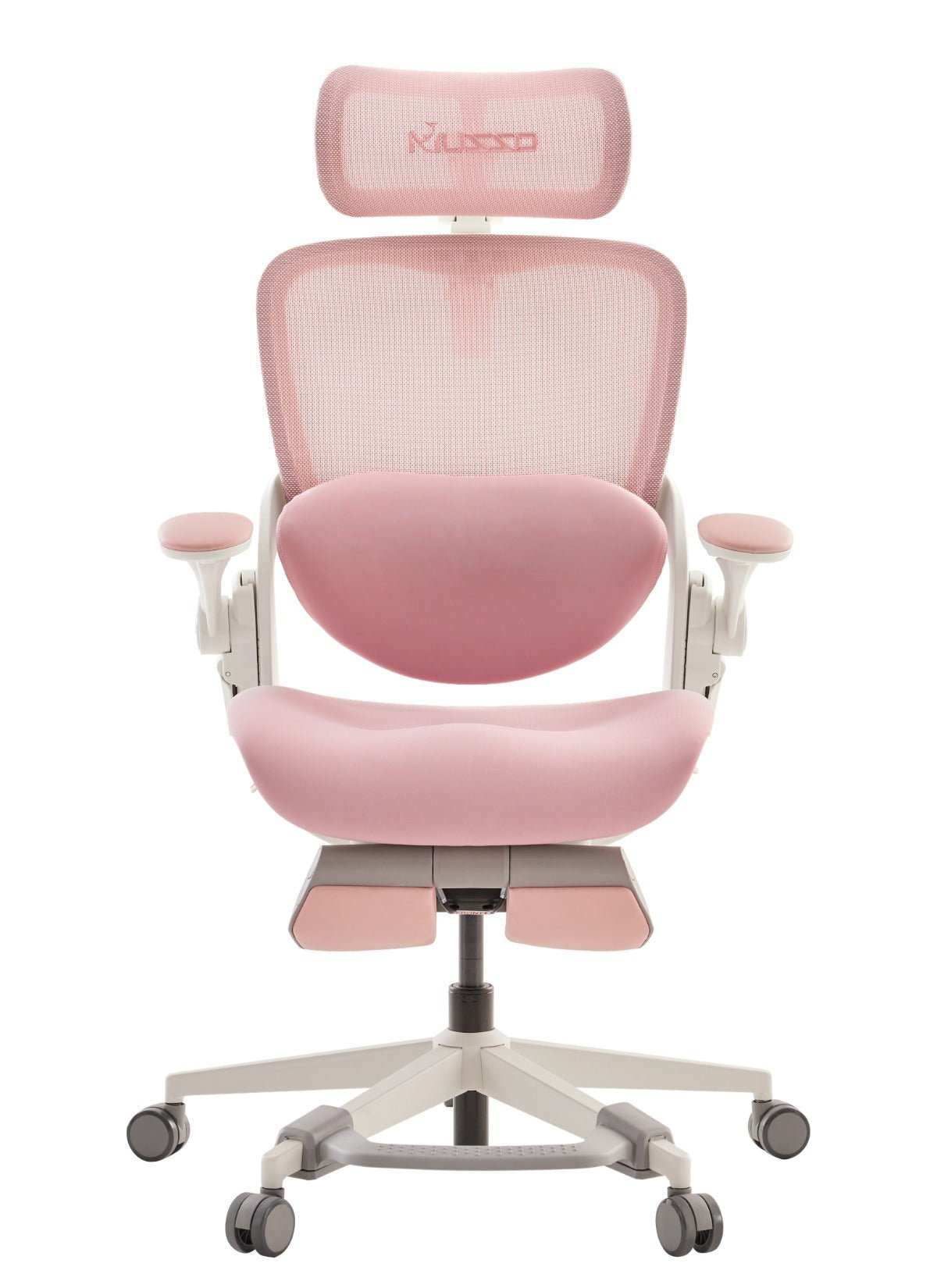
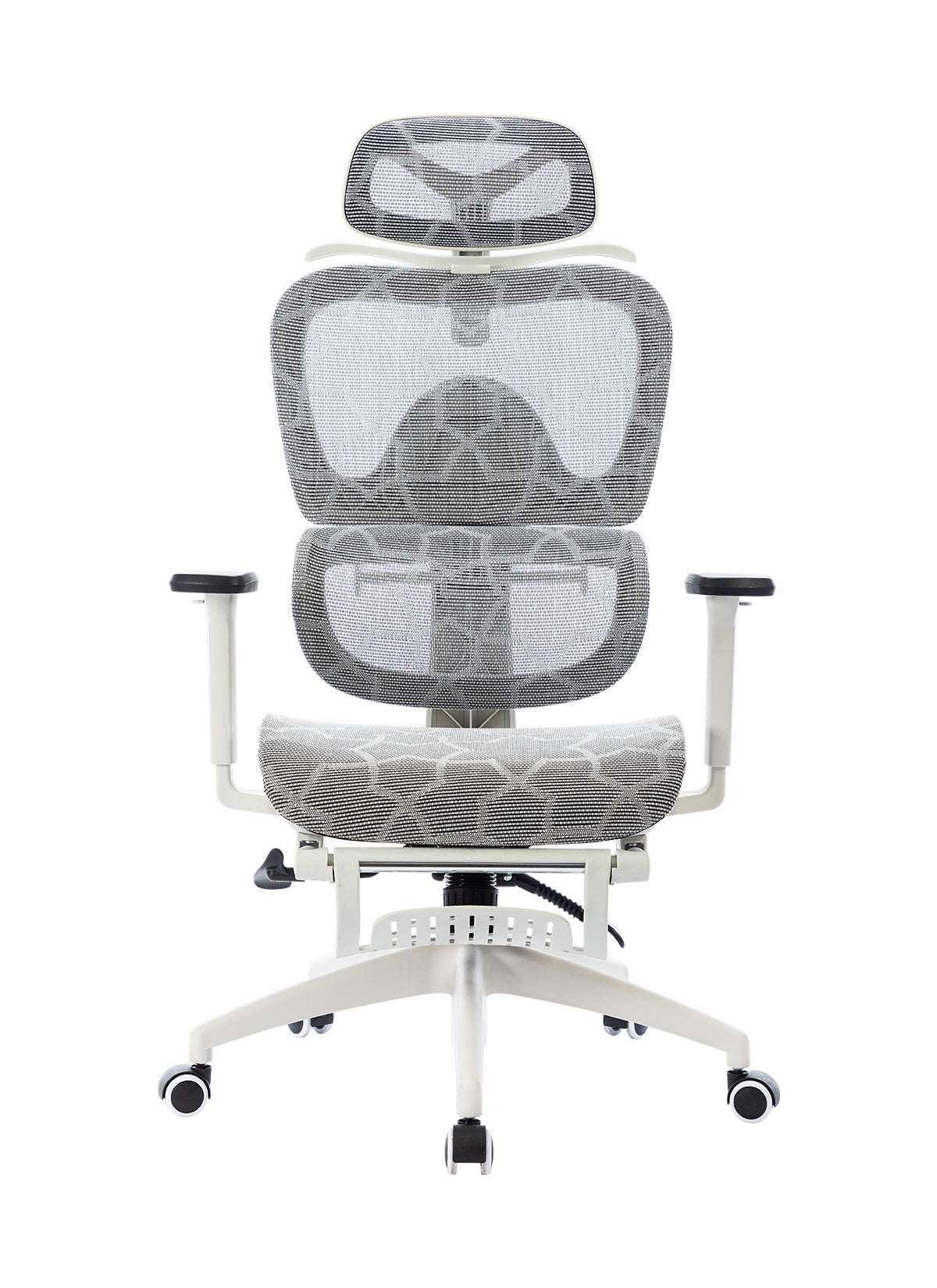
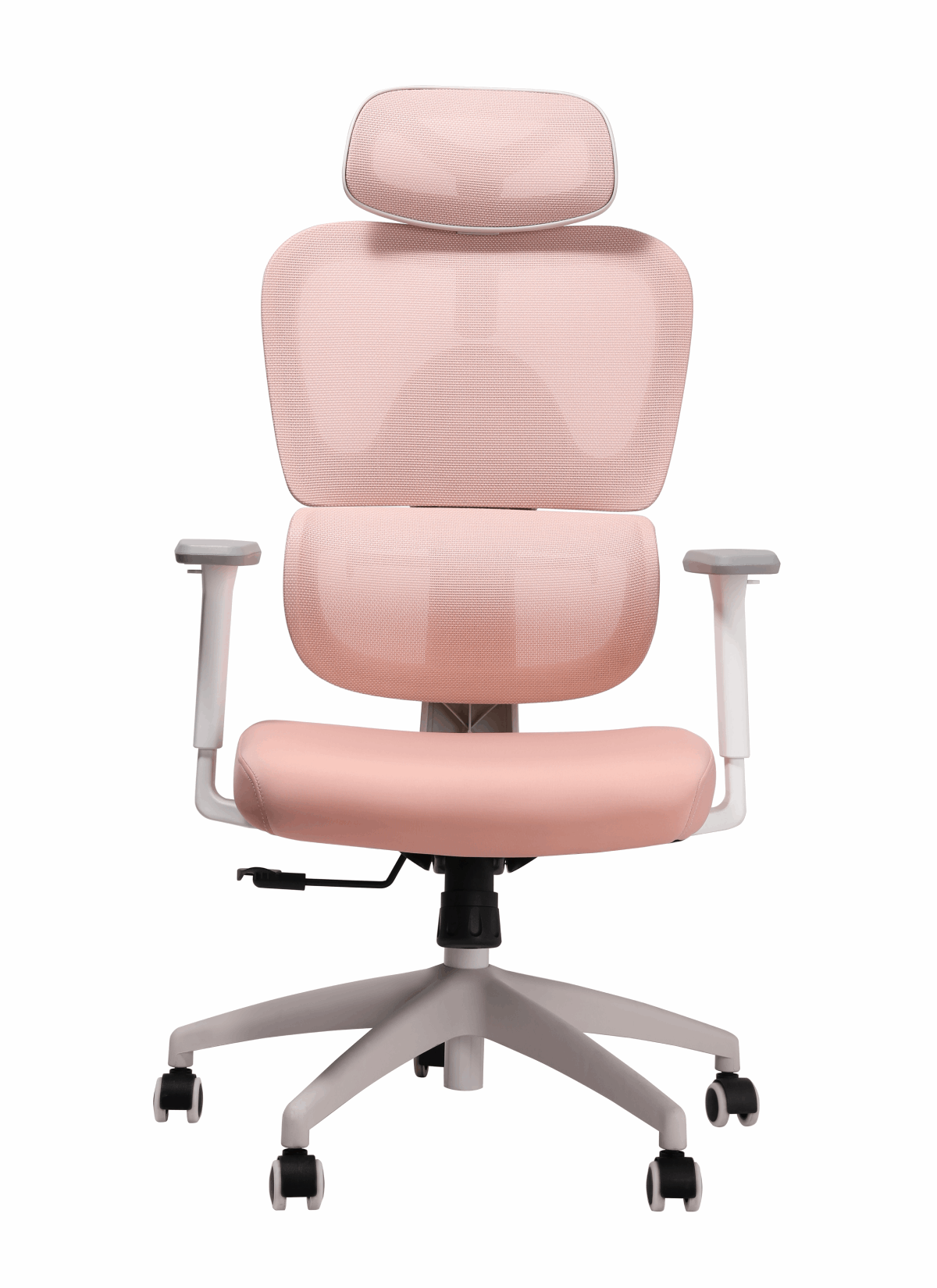
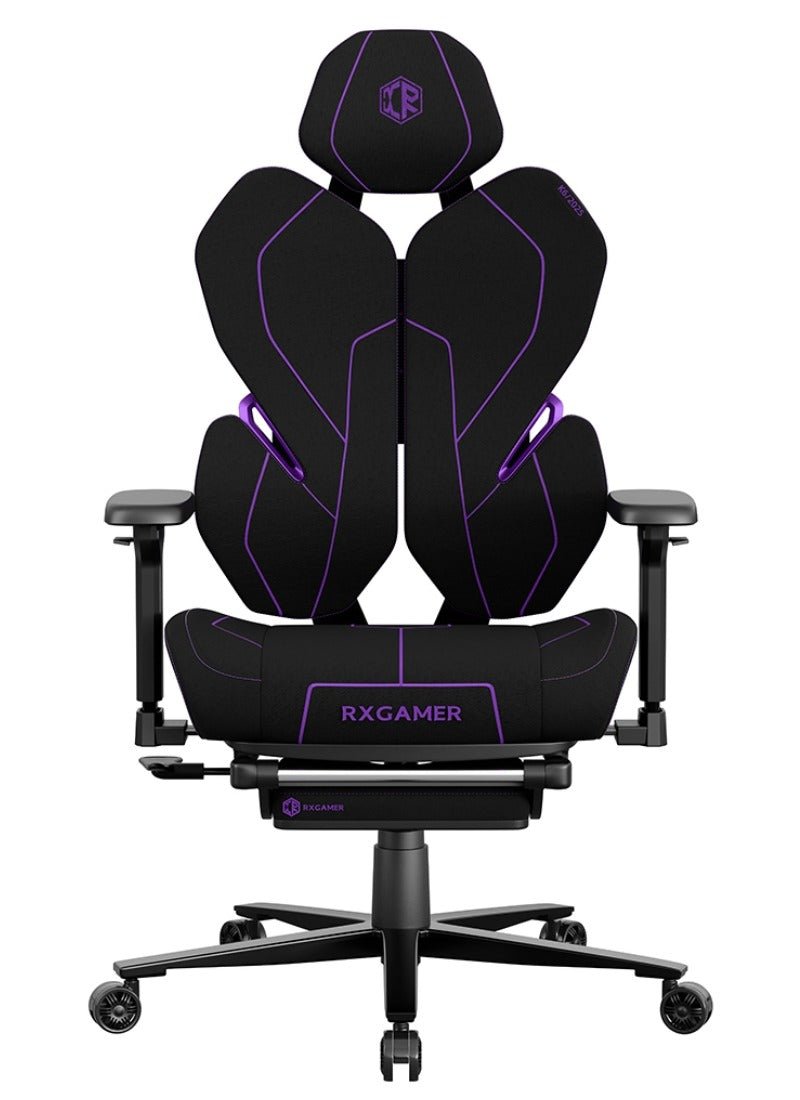
To address lumbar overload caused by prolonged sitting, an ideal chair should be equipped with adjustable, independent lumbar support. This design conforms precisely to the natural curvature of the lumbar spine, providing necessary support whether working or relaxing, and effectively distributing pressure on the intervertebral discs.
2. Scientific Support to Protect the Coccyx
Considering that women's coccyx is more susceptible to pressure, seat cushion design is particularly important. High-resilience molded foam not only provides comfort but, more importantly, offers even support, preventing excessive pressure concentration on the ischial tuberosities.
3. Promotes Posture Variation, Preventing Static Injury
A chair’s dynamic function is essential. Chairs with a synchronized reclining mechanism allow the seat cushion and backrest to move together as the body leans back, continuously supporting the body. This encourages natural micro-movements and posture changes during work, preventing prolonged static positions, promoting blood circulation, and relieving muscle fatigue.

Daily Spine Care Tips for Women
Besides choosing a good chair like Musso, adjusting daily habits is equally important:
Avoid excessive exposure to cold: Especially in air-conditioned environments, low temperatures can hinder blood circulation in soft tissues, leading to muscle stiffness and strain. Keep a jacket or shawl in the office to protect your neck and lower back.
Regular micro-exercises: It is recommended to stand up and move around every hour to help relax your spine segment by segment.
Pay attention to lifting posture: When lifting heavy objects, squat down first and use your leg strength to stand up. Never bend over directly, as this places immense pressure on the lumbar spine.
Conclusion
Women's spinal health is a long-term commitment that requires both internal and external care. Internally, attention should be given to hormonal changes, with timely medical intervention when necessary. Externally, correcting poor posture and investing in a chair that truly supports the body are essential. The Musso chair is not just a piece of furniture, but also a loyal "spine guardian" in your office life, helping you maintain an upright posture and composure even during busy work.

