





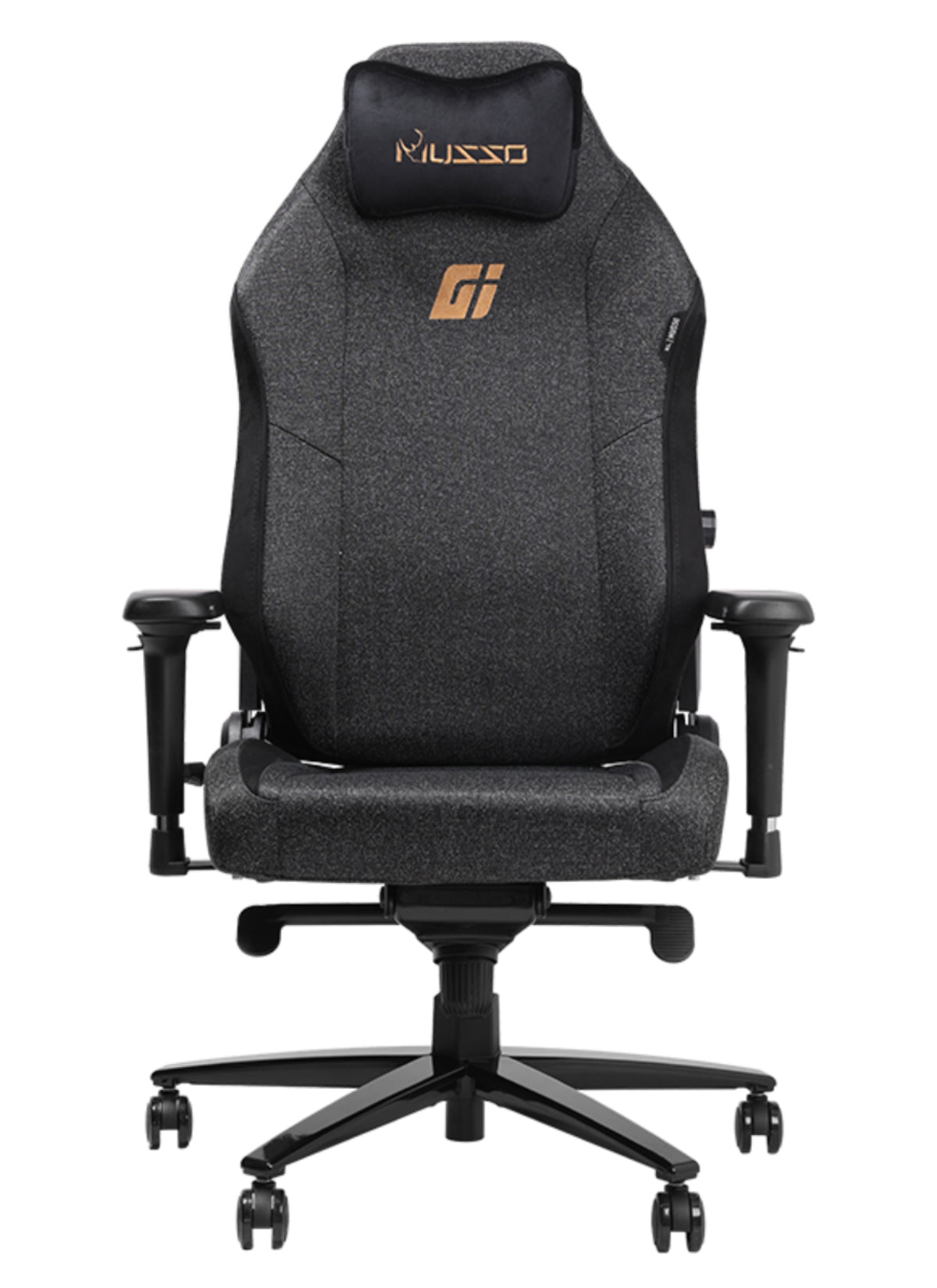
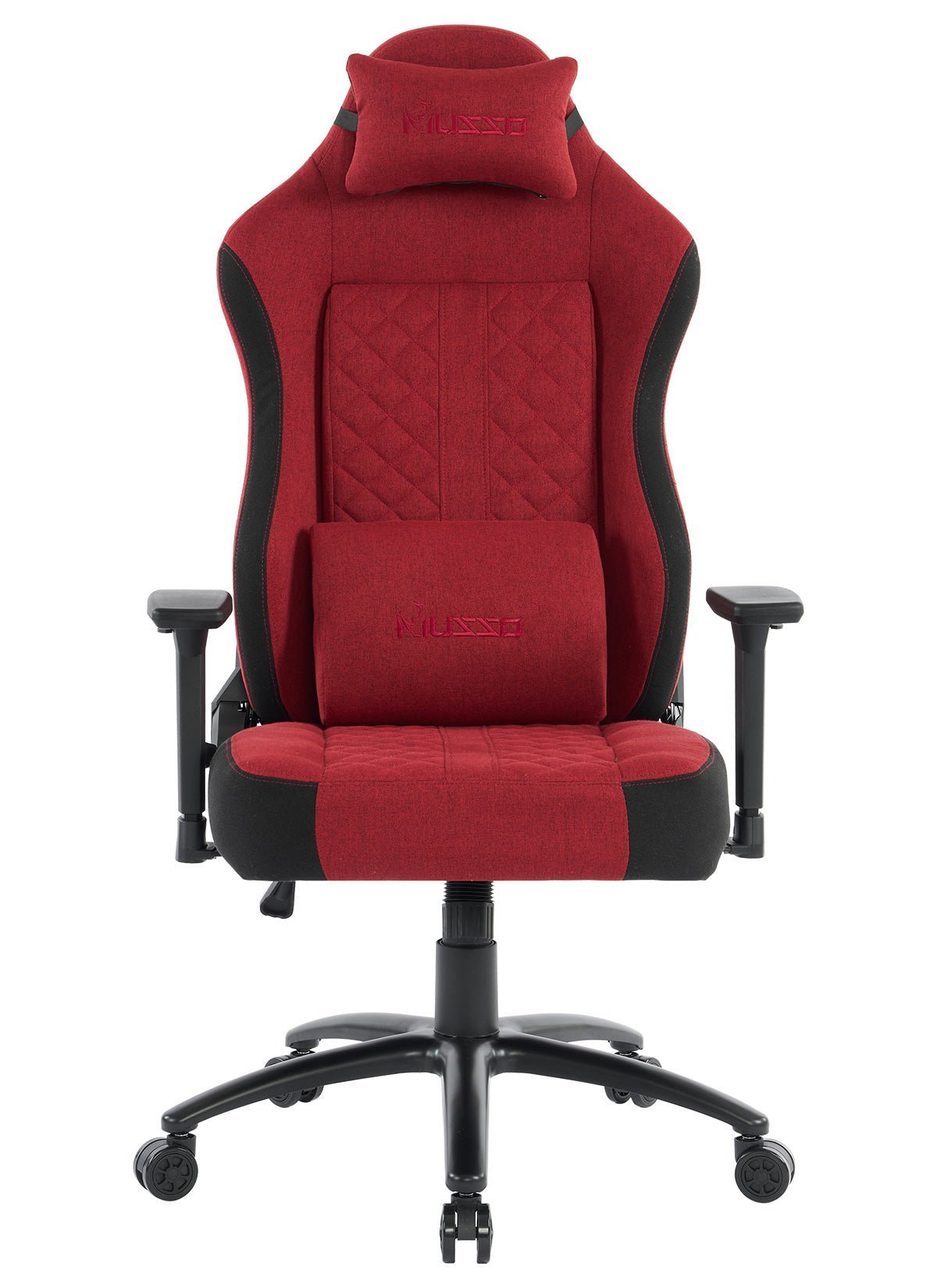
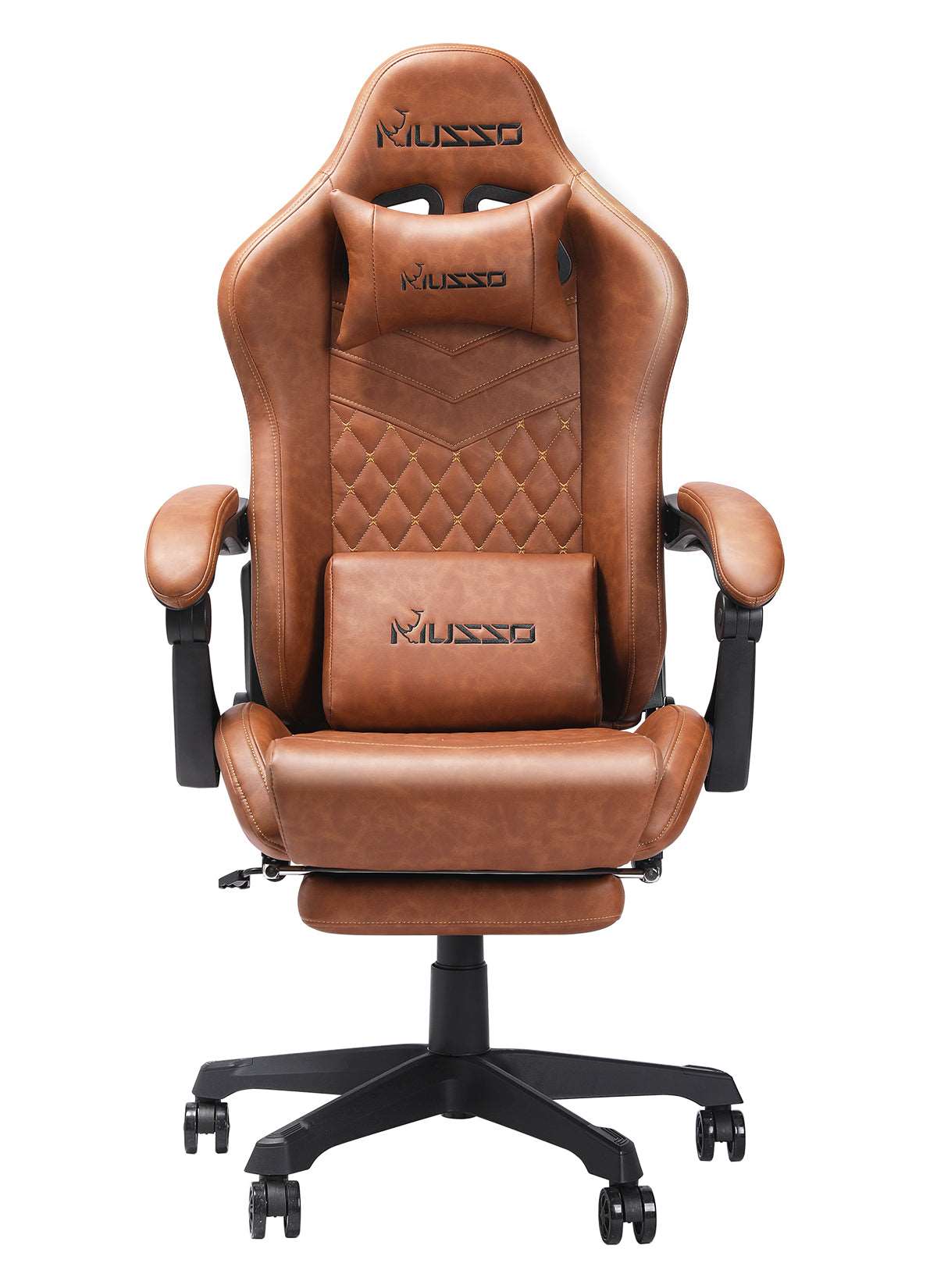
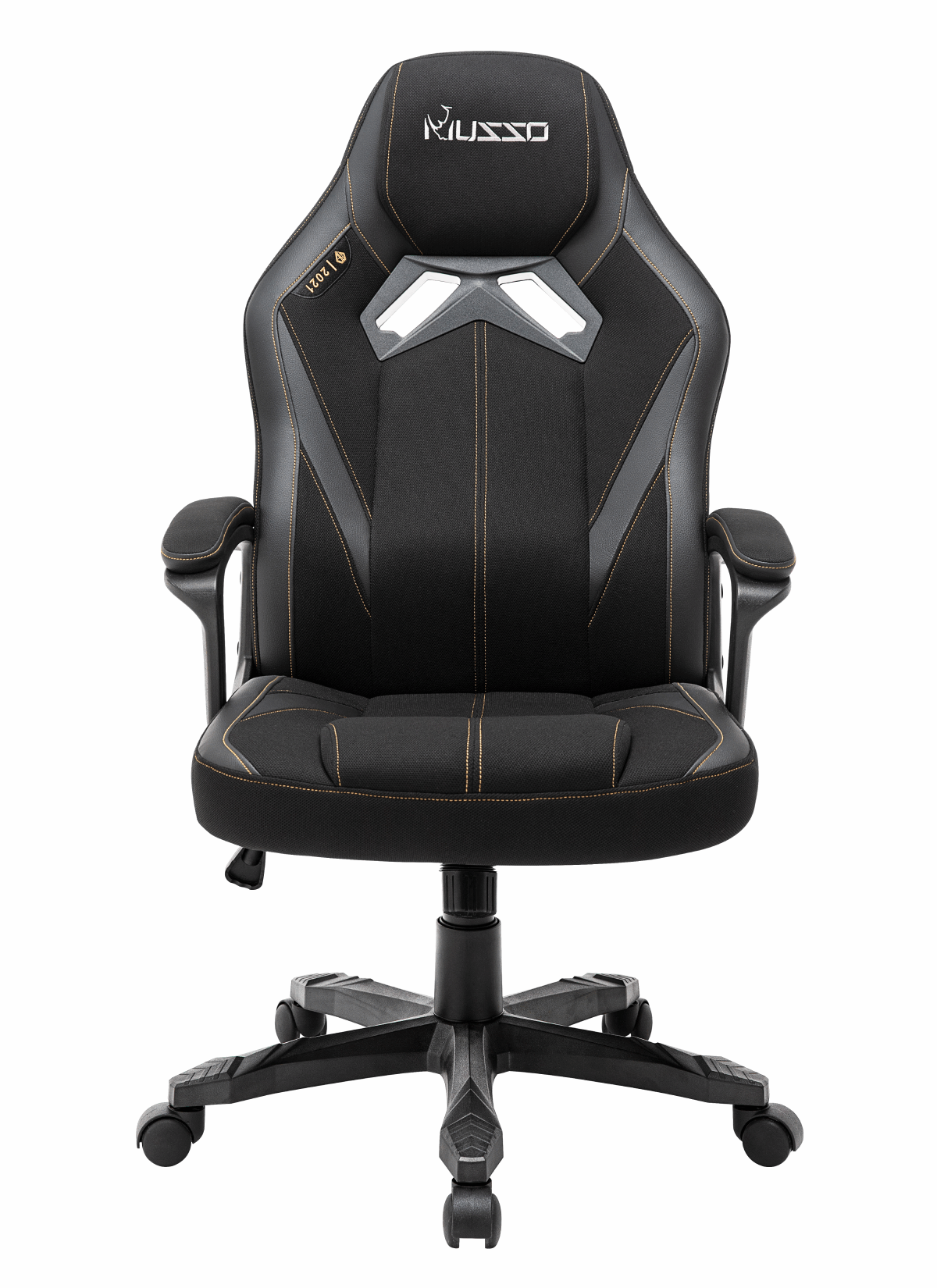
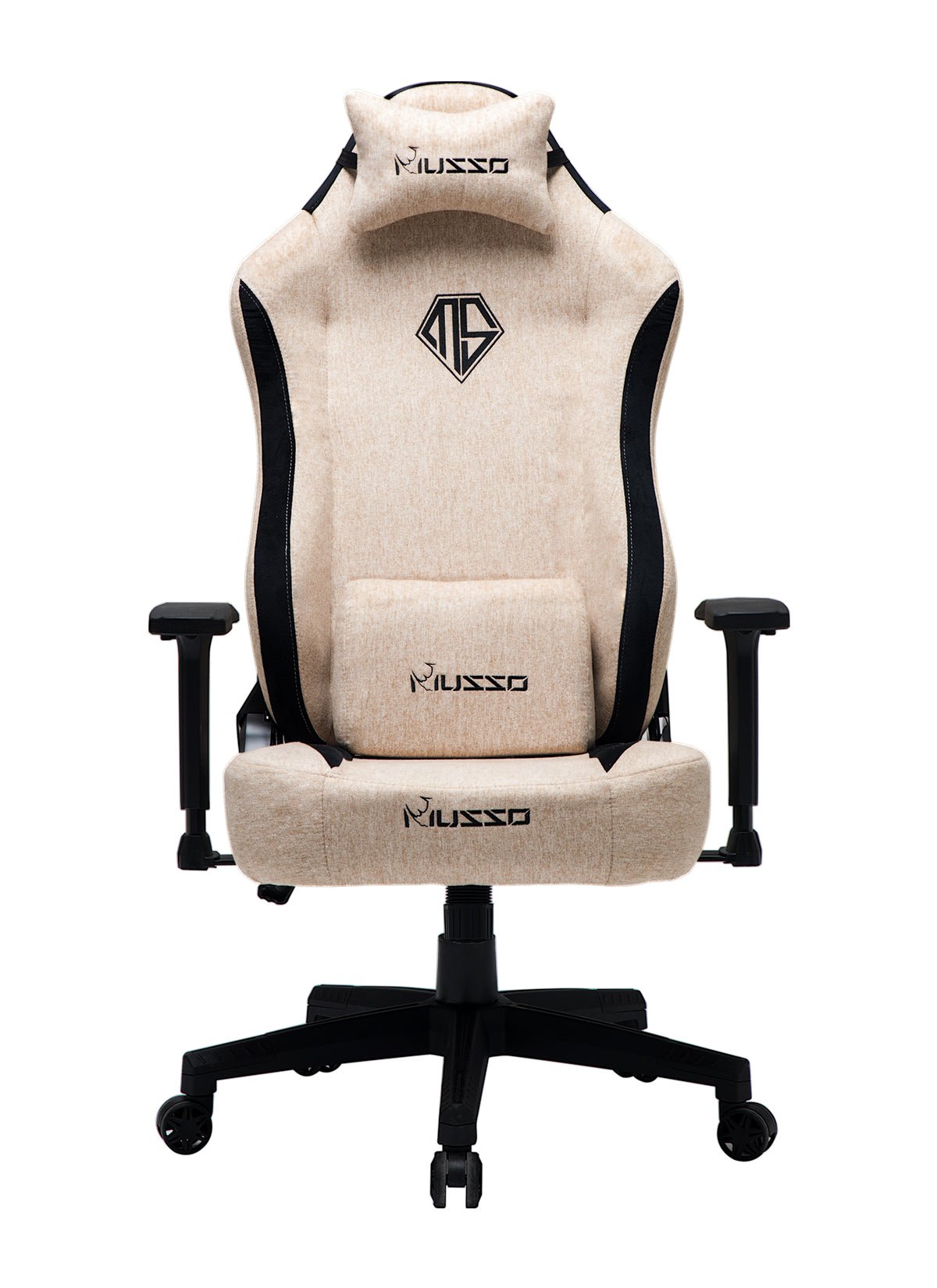
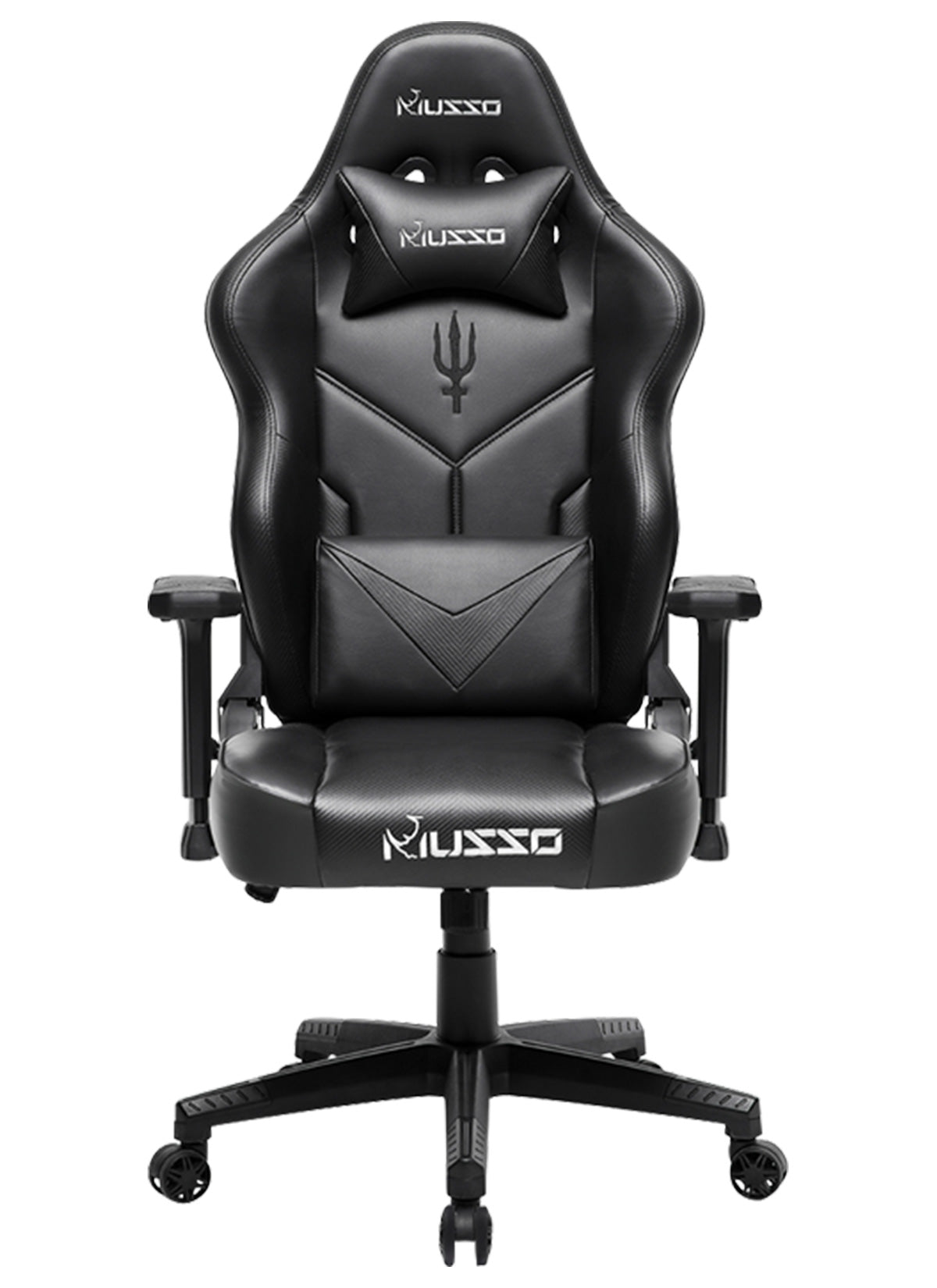
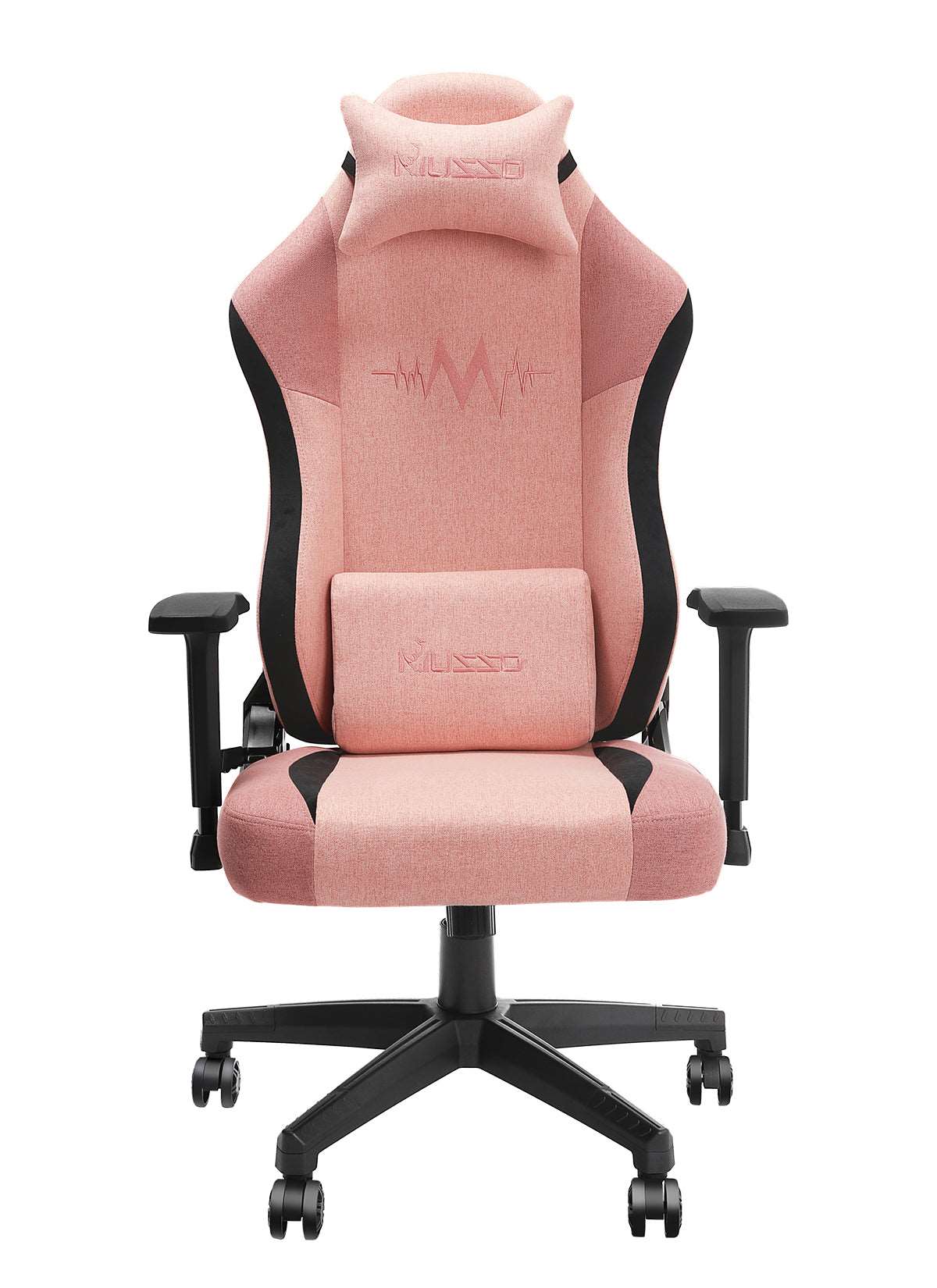
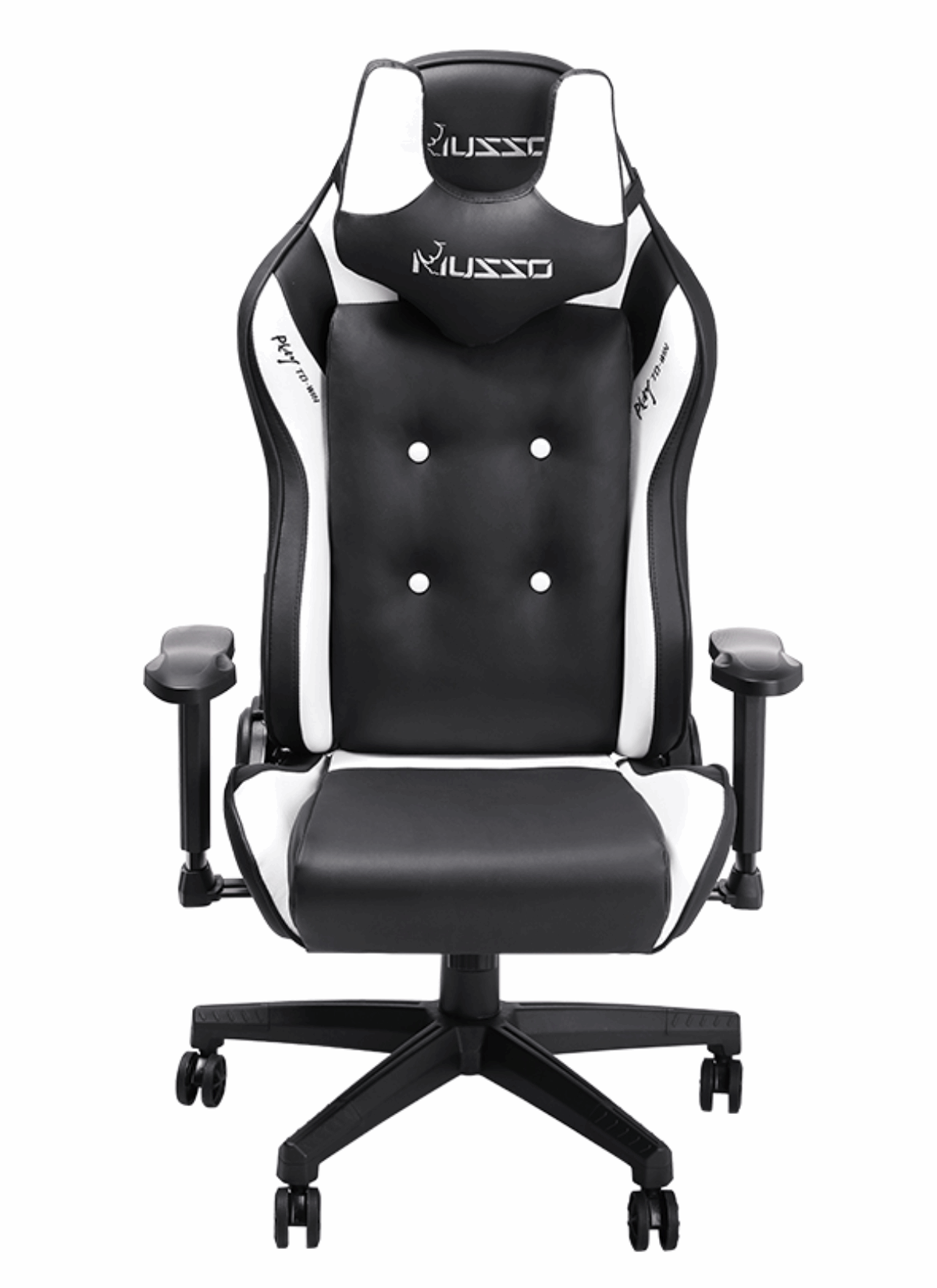


For a long time, if you walked into an office furniture store, the salesperson might tell you, “This chair is one-size-fits-all, suitable for everyone.” But is that really the case? For women, who make up nearly half of the workforce, the answer is often no.
With the arrival of chairs equipped with the FemmePosture™ system, a long-hidden issue has finally surfaced: the design logic of traditional ergonomic chairs is primarily based on male or “neutral” anatomical models—and women’s bodies have been paying the price for this design deficiency.
So, what exactly makes ergonomic chairs for women special? What have most brands overlooked in their designs?
Oversight 1: Differences in Hip and Leg Structure – “Two Sitting Feels in One Chair”

This is the most crucial point—and also the most frequently misunderstood.
Many female users share the experience that, when sitting in most office chairs, they either find the seat too hard and uncomfortable or too soft, causing numbness in their buttocks. This is not merely personal sensitivity, but an inherent aspect of physiological structure.
Studies show that women generally have wider pelvises and greater spacing between their ischial tuberosities. At the same time, women’s fat distribution tends to be more concentrated in the hips and thighs. Traditional seat cushions designed based on male models often fail to conform to this unique “hip–leg curve” in women.
Research has long indicated that gender differences lead to significantly different interfacial pressure distributions at the ischial tuberosities. If the cushion is too hard and does not conform, the fat layer is pushed to the sides, and the ischial tuberosities lack cushioning, resulting in discomfort. If the cushion is too soft, fat accumulates in the center and deep tissues are compressed, easily causing numbness.
This is precisely what most brands overlook: women do not need a softer cushion, but rather support that is both firm and well-contoured.

Oversight 2: Lumbar Curvature and Support Points – “Supporting” or “Pushing” the Lower Back?
Traditional lumbar supports are often single, protruding structures designed to “push” the lower back forward. However, for women with a gentler lumbar curve and a greater tendency toward posterior pelvic tilt, this design can backfire—either causing discomfort or leaving them feeling unsupported.
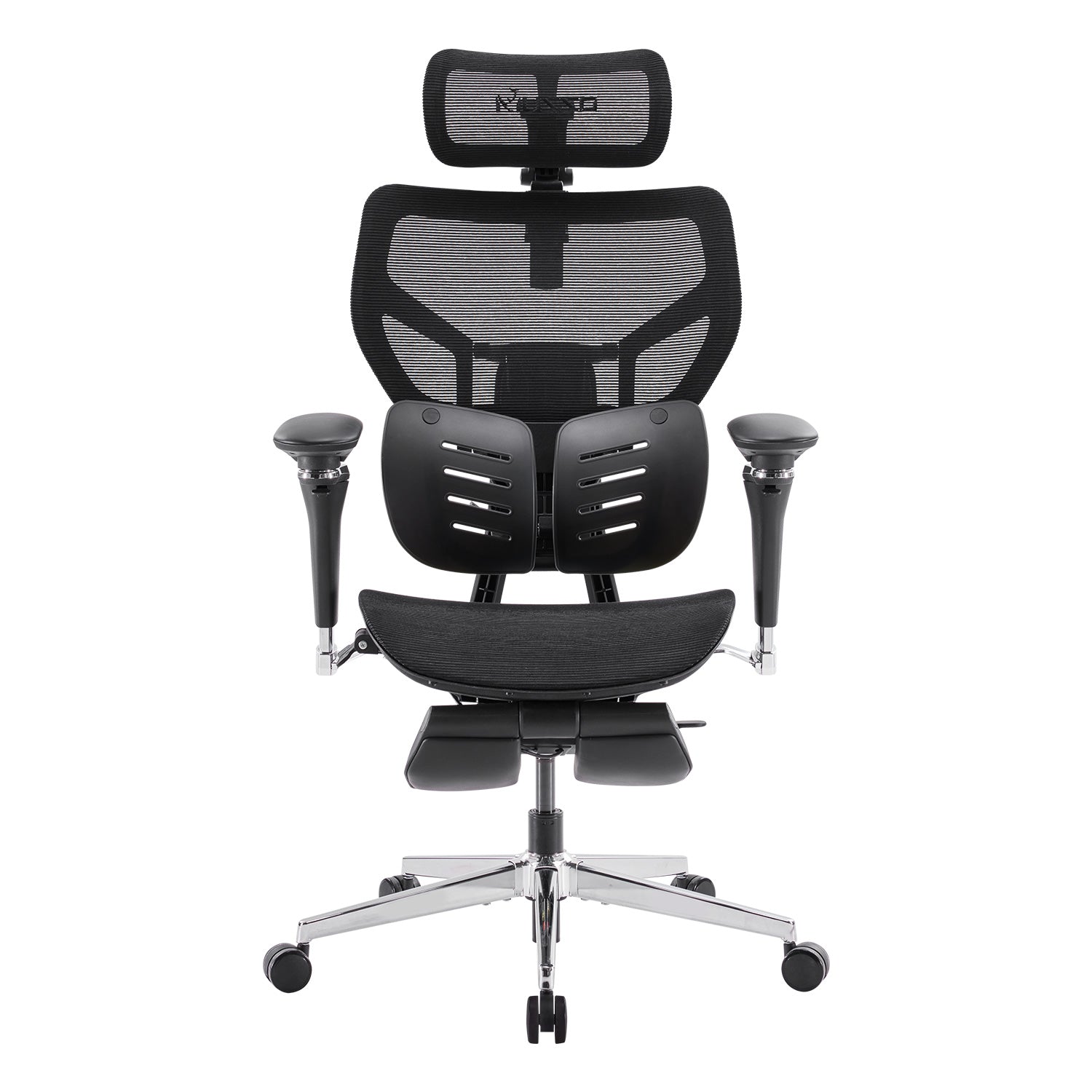
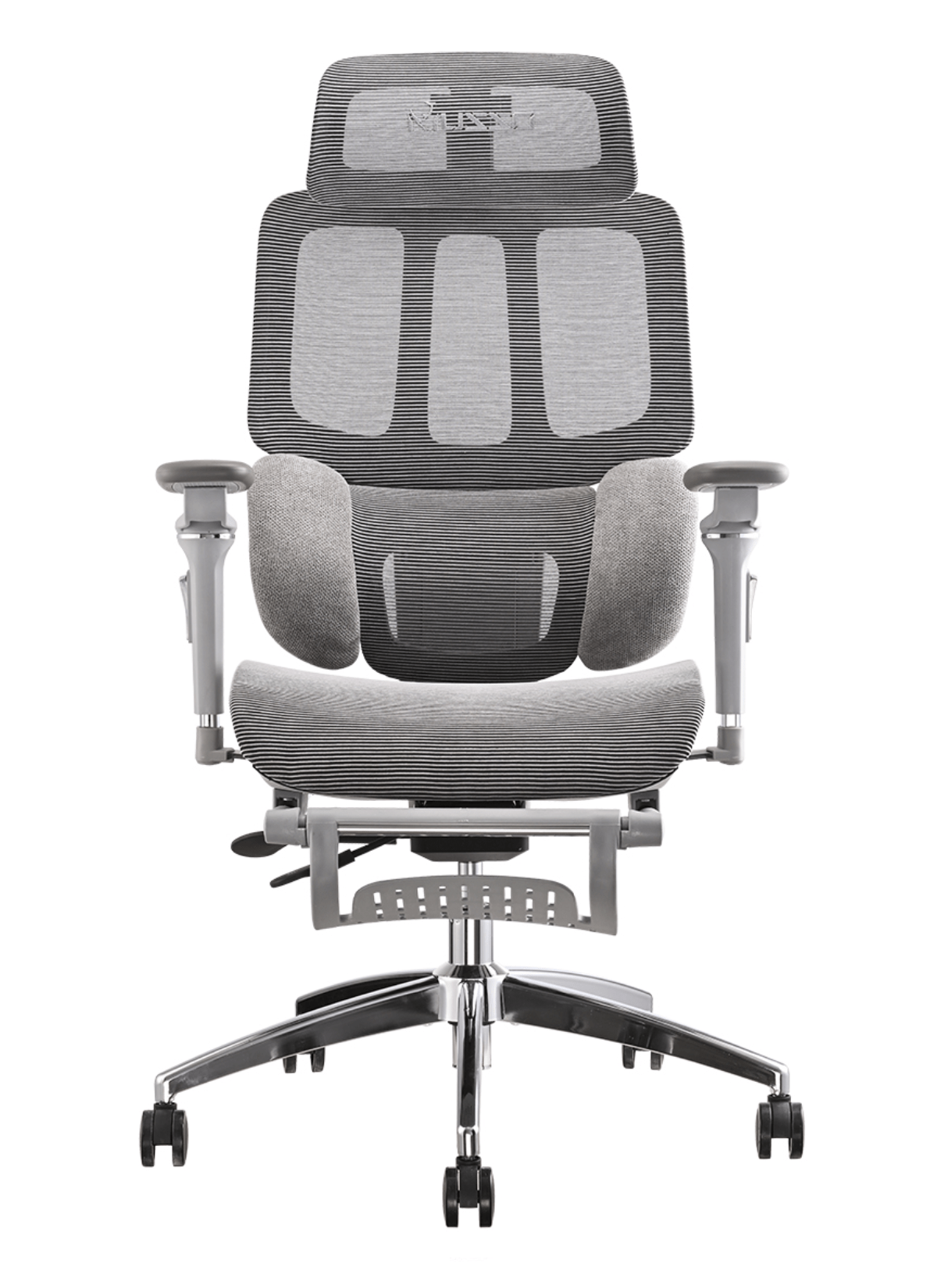
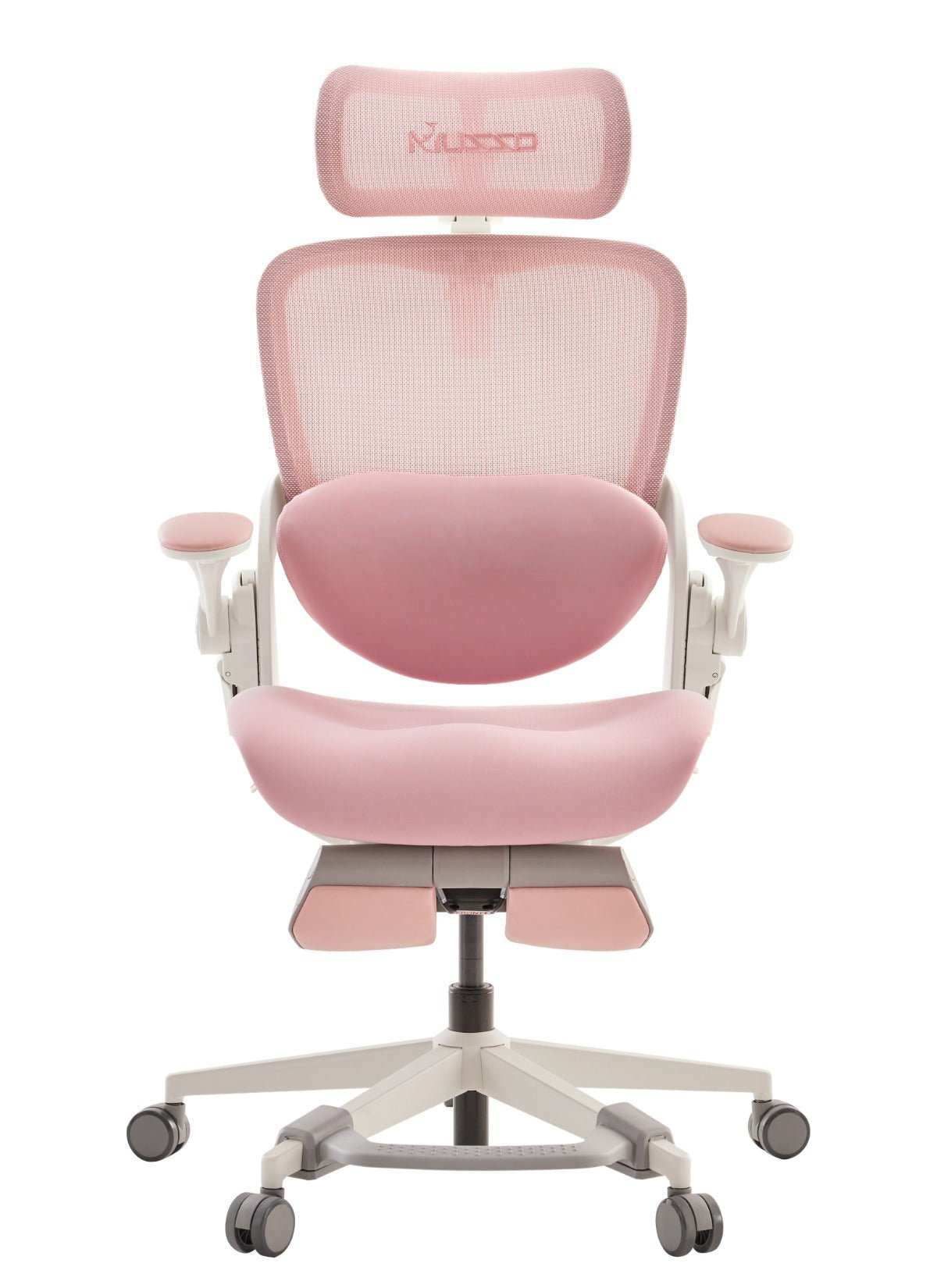
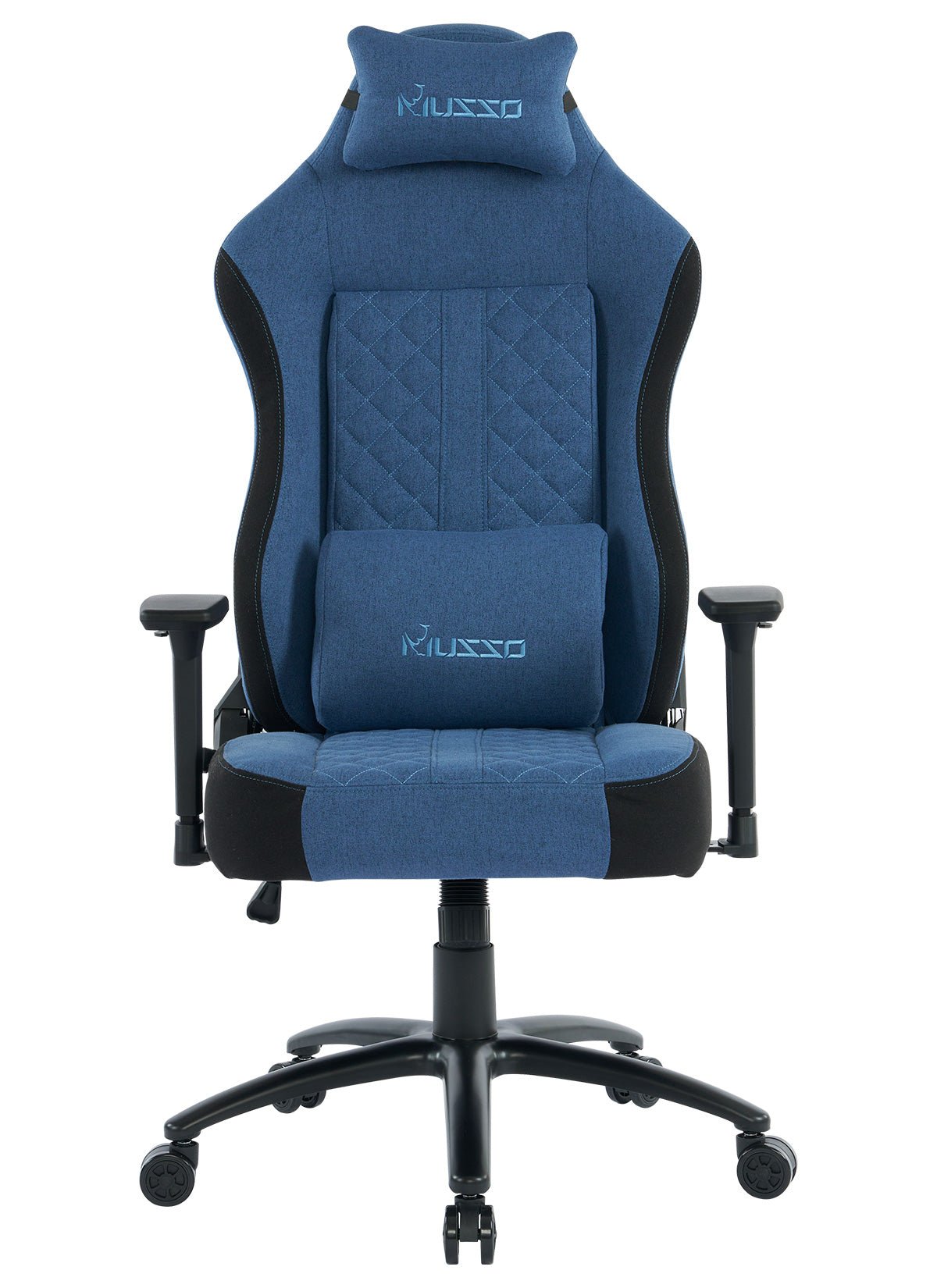
True women-specific design must focus on the coordinated movement of the pelvis and lumbar spine as a whole. For example, the FemmePosture™ system in the Musso E80 uses a 20° inward-curving wraparound lumbar support, specifically designed to provide zoned support for the sacral region and lower back muscles in women. Only by stabilizing the pelvis can the lumbar spine naturally align, rather than relying on muscle strength alone for support.
Oversight 3: Height and the “Unsupported Legs” of Petite Women
This is the most obvious—but also the most easily overlooked—form of “size discrimination.”
Many international brands design chairs to fit the physique of taller European and American men. Even with the gas lift at its lowest setting, petite women may still experience thigh pressure or unsupported feet. This is not only uncomfortable but can also lead to poor blood circulation in the legs.
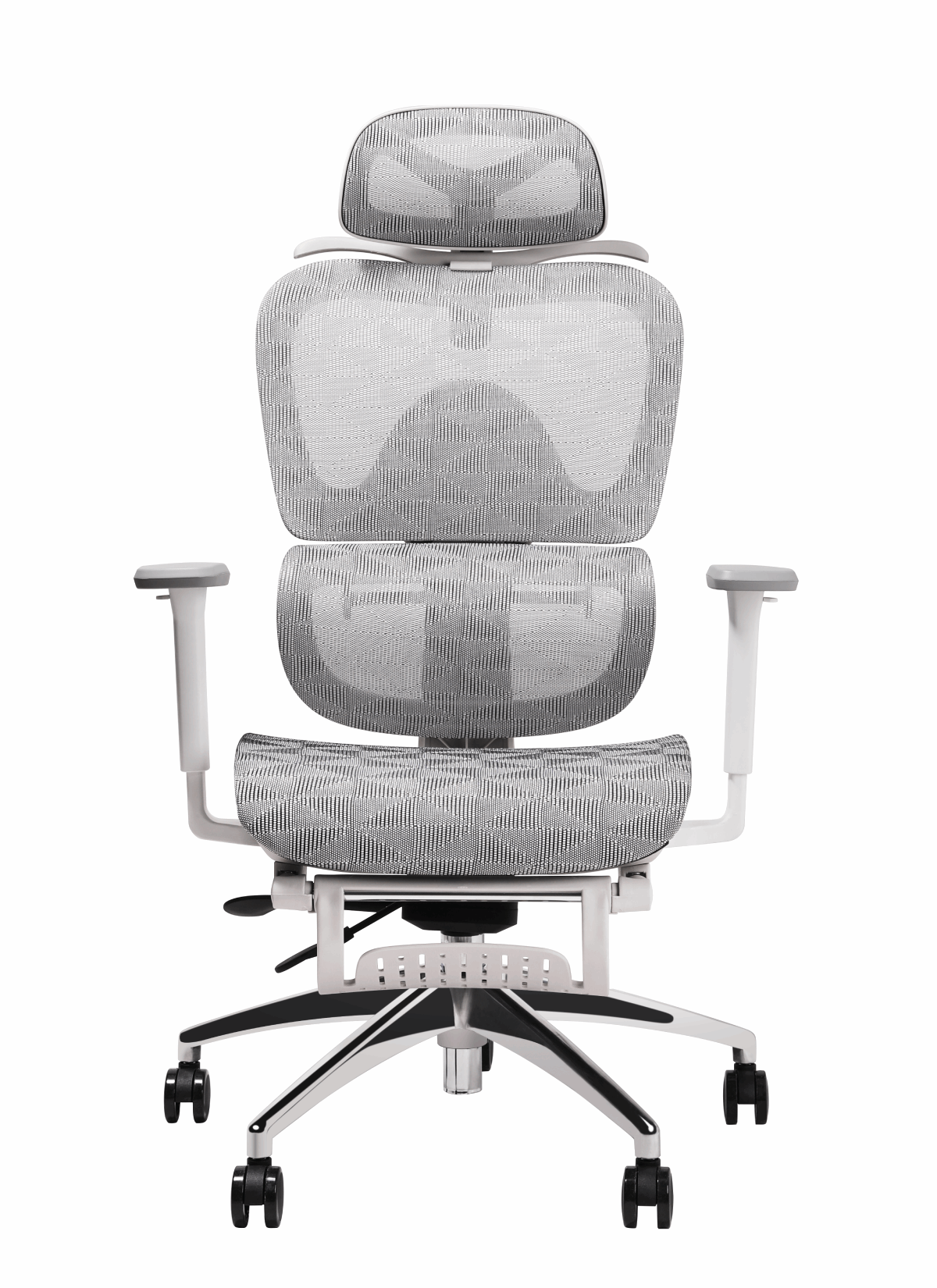
A truly women-specific chair should be designed with height considerations from the outset, optimizing the seat height adjustment range and even incorporating footrests to ensure stable foot placement regardless of body size.

Oversight 4: Body Temperature Sensitivity – “Not Feeling Cold During Long Sitting” Is a Basic Need
This is a crucial detail related to temperature, yet it has long been overlooked in ergonomics.
Women are generally more sensitive to temperature than men, especially in air-conditioned environments, during winter, or during menstruation. A cold seat cushion can cause muscles to tense involuntarily, leading to secondary postural issues such as slouching and rounded shoulders.

Oversight 5: Dynamic Sitting Posture and Usage Habits
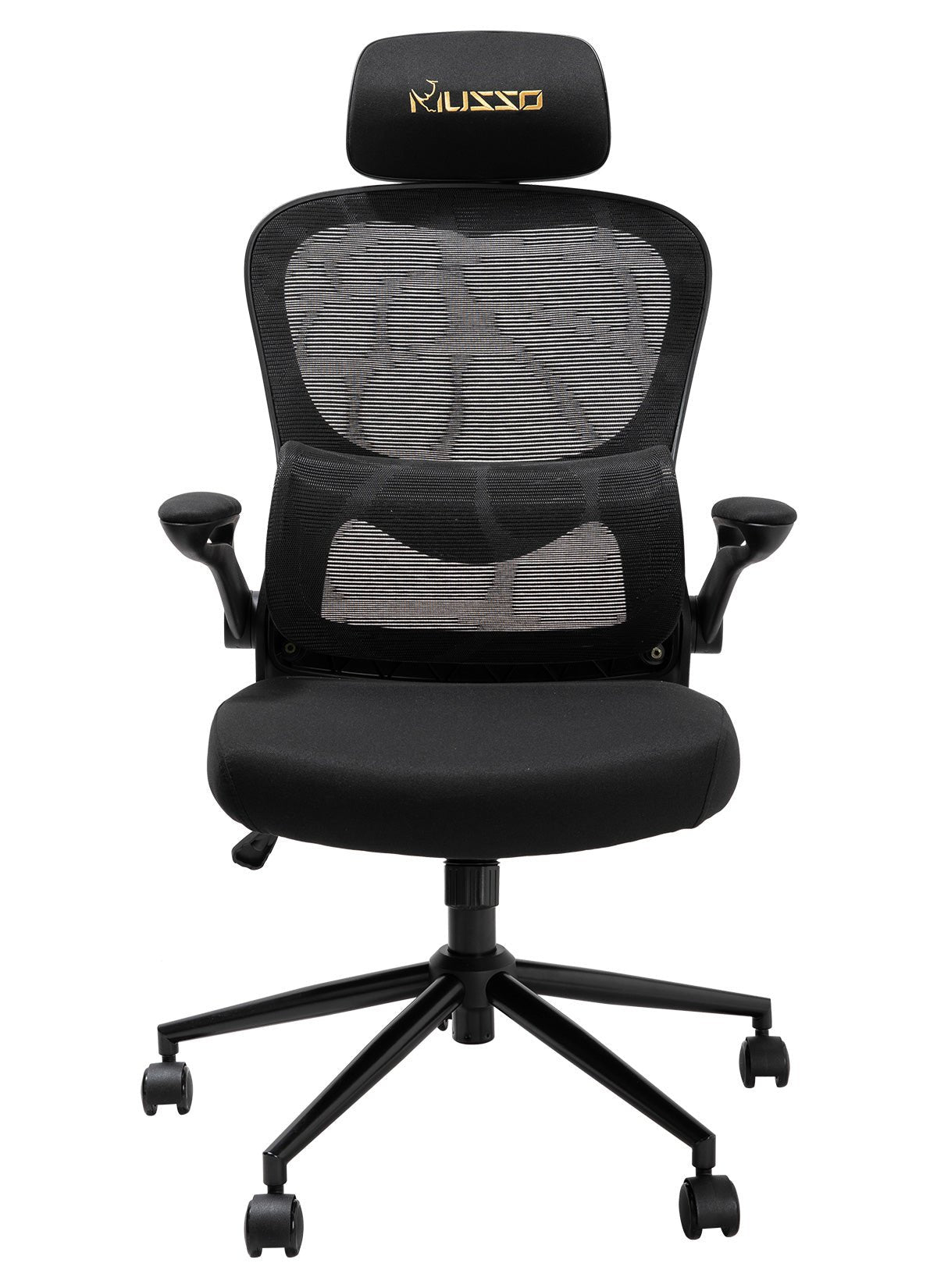
Women often switch postures more frequently while working, such as when answering the phone or turning sideways to communicate. This requires details such as armrests to be sufficiently flexible.
A study by the City University of Macau, using multivariate analysis of variance, confirmed that gender has a far greater impact on ergonomic indicators than geographical differences, significantly affecting 13 out of 14 indicators. This suggests that women need support systems that adapt to dynamic changes—such as 4D linked armrests that provide natural arm support whether typing or resting, thereby reducing strain on the shoulders and neck.

Looking at the office furniture market in 2025, the emergence of the Musso E80 series represents not merely the launch of a new product, but a shift in ergonomic chair design—from a one-size-fits-all approach to a more refined and targeted era.
Brands that truly care about women do not simply change the color or size of their chairs; they reconstruct the human body model from the ground up.
For consumers, if you feel “unstable” or experience “back pain” when choosing a chair, remember: it might not be your posture that is wrong, but rather that the chair was not designed for you in the first place. Choosing a chair that truly understands women is not only an investment in health, but also an affirmation of being seen.
