



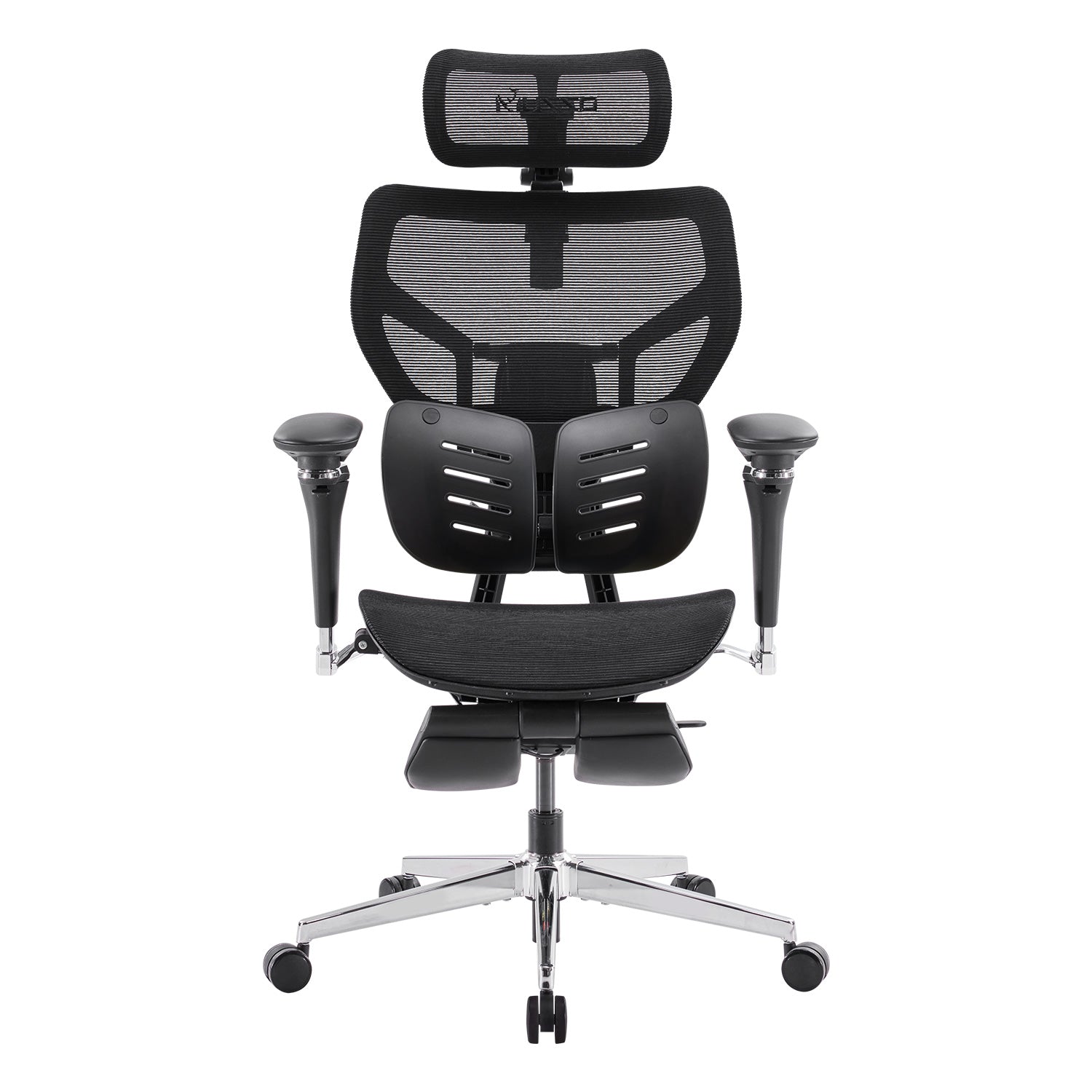
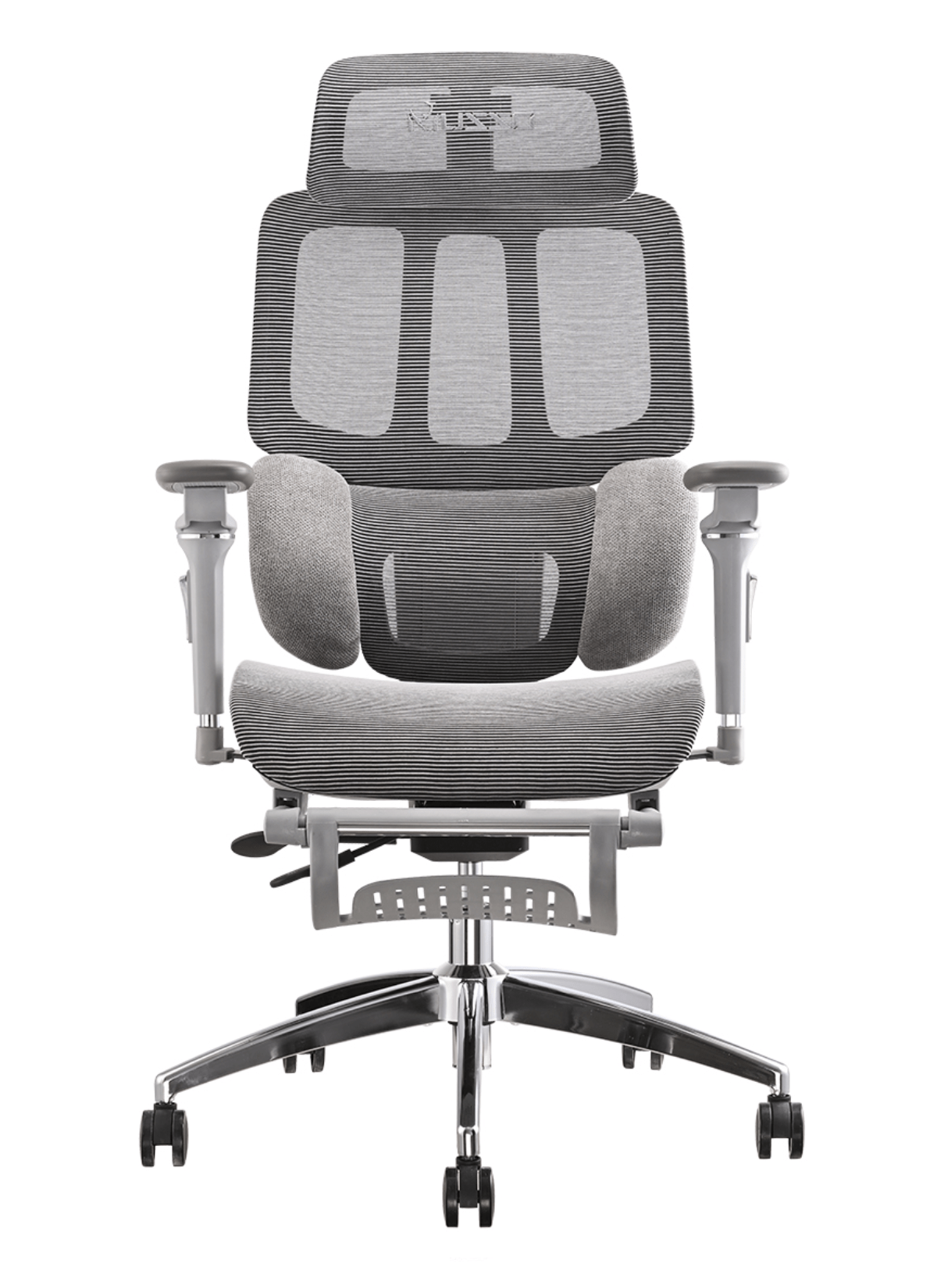
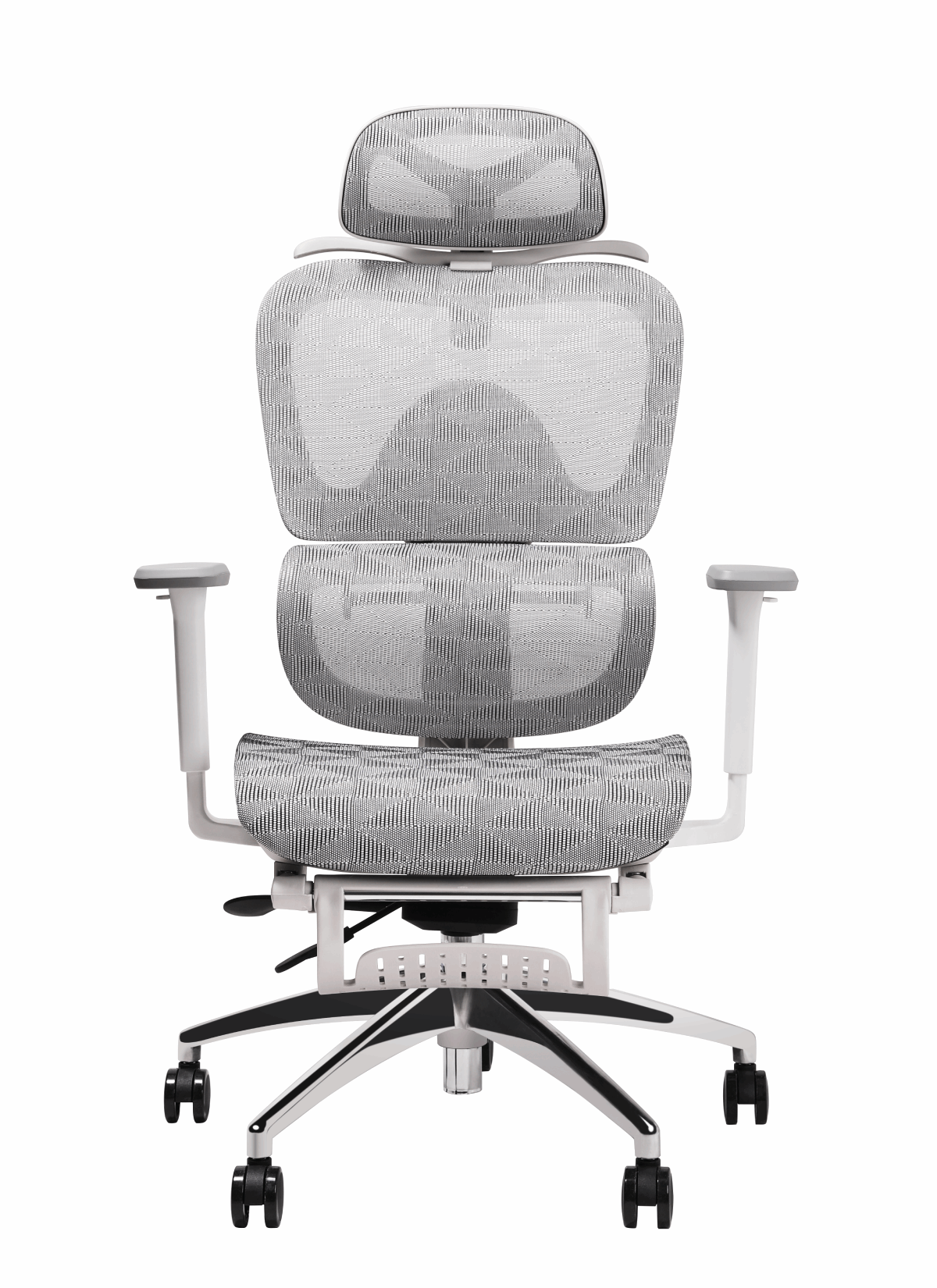
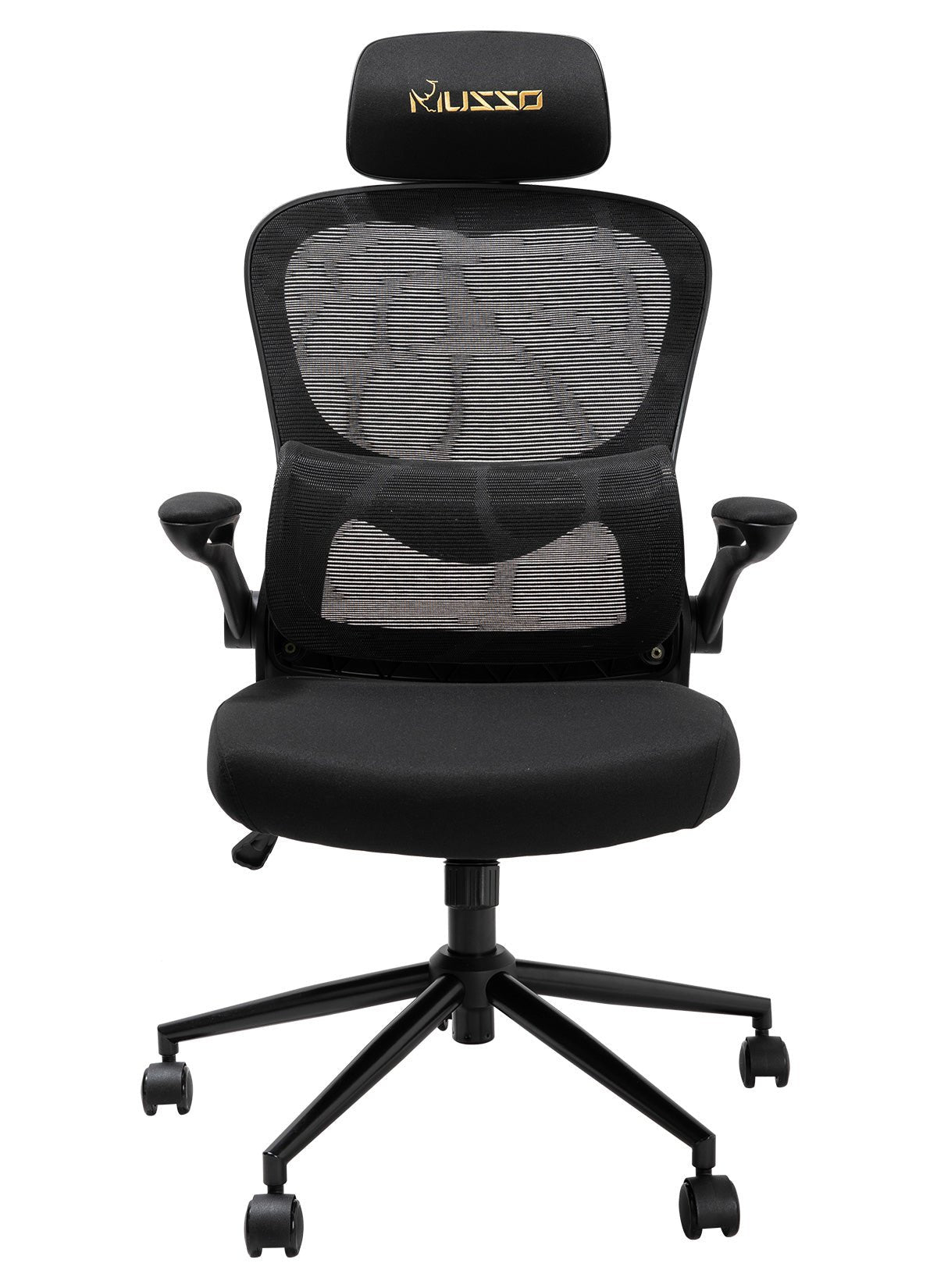




A difference of just a few centimeters in desk height can determine your daily work comfort, focus, and even long-term health.
When setting up a workspace, many people prioritize a high-quality chair or a large monitor but overlook a crucial factor: desk height. If the desk is too high, your shoulders tend to hunch up involuntarily; if it is too low, your back slumps and your wrists are forced into awkward angles. The result? Your neck, shoulders, and back start aching before the work is even finished.
However, there is no single "perfect" desk height. The height that truly suits you depends on your stature, sitting posture, chair height, the placement of your keyboard and mouse, and even whether you are working while seated or standing. This is precisely why adjustable desks have become increasingly important.

I. Why Is Desk Height So Critical?
If the desk height is unsuitable, your body is forced to compensate. A desk that is too high causes you to hunch your shoulders and angle your wrists upward; a desk that is too low leads to slouching and a forward-leaning neck.
While this might cause only minor discomfort in the short term, over time it can lead to chronic shoulder and neck pain, back fatigue, and wrist issues.
Therefore, desk height isn't something where "close enough" will do; it is the foundation of ergonomic office setups.

II. What Is the Ideal Desk Height?
A simple rule of thumb is: when seated, the desk height should be roughly level with your elbows.
You can measure this as follows:
- Sit down and adjust your chair height so your feet rest flat on the floor and your knees are bent at approximately 90 degrees;
- Relax your shoulders and let your arms hang naturally;
- Bend your elbows to about 90 degrees so your forearms are horizontal;
- At this point, the desk surface should be just below your elbows.
This positioning allows your wrists to remain naturally straight while using the keyboard and mouse. Since individual body types vary significantly, let your own physical comfort be the ultimate guide.
When working while standing, the desk height usually needs to be 20–30 centimeters higher than when seated. The ideal height follows the same principle: with your elbows naturally bent at about 90 degrees, your forearms should be roughly horizontal.
This is precisely why standard fixed-height desks struggle to meet everyone's needs; a height that is perfect for one person might be far too high or too low for another.

III. Why Are Adjustable Desks So Important?
The greatest value of an adjustable desk—especially a sit-stand model—isn't just looking "high-end"; it’s about allowing you to adapt the desk to your body, rather than forcing your body to accommodate the desk.
1. Personalized Height Matching
2. Alternating Between Sitting and Standing to Reduce Sedentary Time
3. Adaptability for Different Tasks
4. Greater Flexibility for Shared Use
5. Long-Term Health and Productivity
When your body no longer has to constantly fight against an ill-fitting desk, fatigue decreases and focus is easier to maintain.
Comfort isn't laziness; it is a prerequisite for efficient work.
IV. Common Misconceptions
• Misconception 1: Pursuing a Uniform "Standard Height"
There is no one-size-fits-all standard; there is only the height that suits your body.
• Misconception 2: Adjusting the Desk but Not the Chair
The chair, desktop, and monitor form a system; they must be adjusted in tandem.
• Misconception 3: The Longer You Stand, the Healthier You Are
Standing for too long causes fatigue, too. The key is alternating between sitting and standing, not standing continuously.
• Misconception 4: Ignoring Keyboard and Mouse Placement
A keyboard that is too far away or a mouse that is too high can lead to shoulder, neck, and wrist issues.
• Misconception 5: Making Do with an Unstable Desk
Stability is crucial for sit-stand desks; wobbling can disrupt typing, writing, and concentration.

Conclusion
The ideal desk height isn't a fixed measurement in centimeters; it is a height that allows you to maintain a natural posture, switch freely between sitting and standing, and work for long periods without easily becoming fatigued.
Adjustable desks are important because they put the choice back in your body's hands. They acknowledge that every person is different and that the same person may need different postures at different times.
So, stop asking, "What is the best desk height?"
A better question is: "Can this desk adjust to me?"
If circumstances allow, choose an adjustable desk with a suitable height range, good stability, sufficient load-bearing capacity, and a height-memory function—and pair it with a proper chair and correct monitor placement.
Your shoulders, neck, back, and wrists will thank you every workday.

