



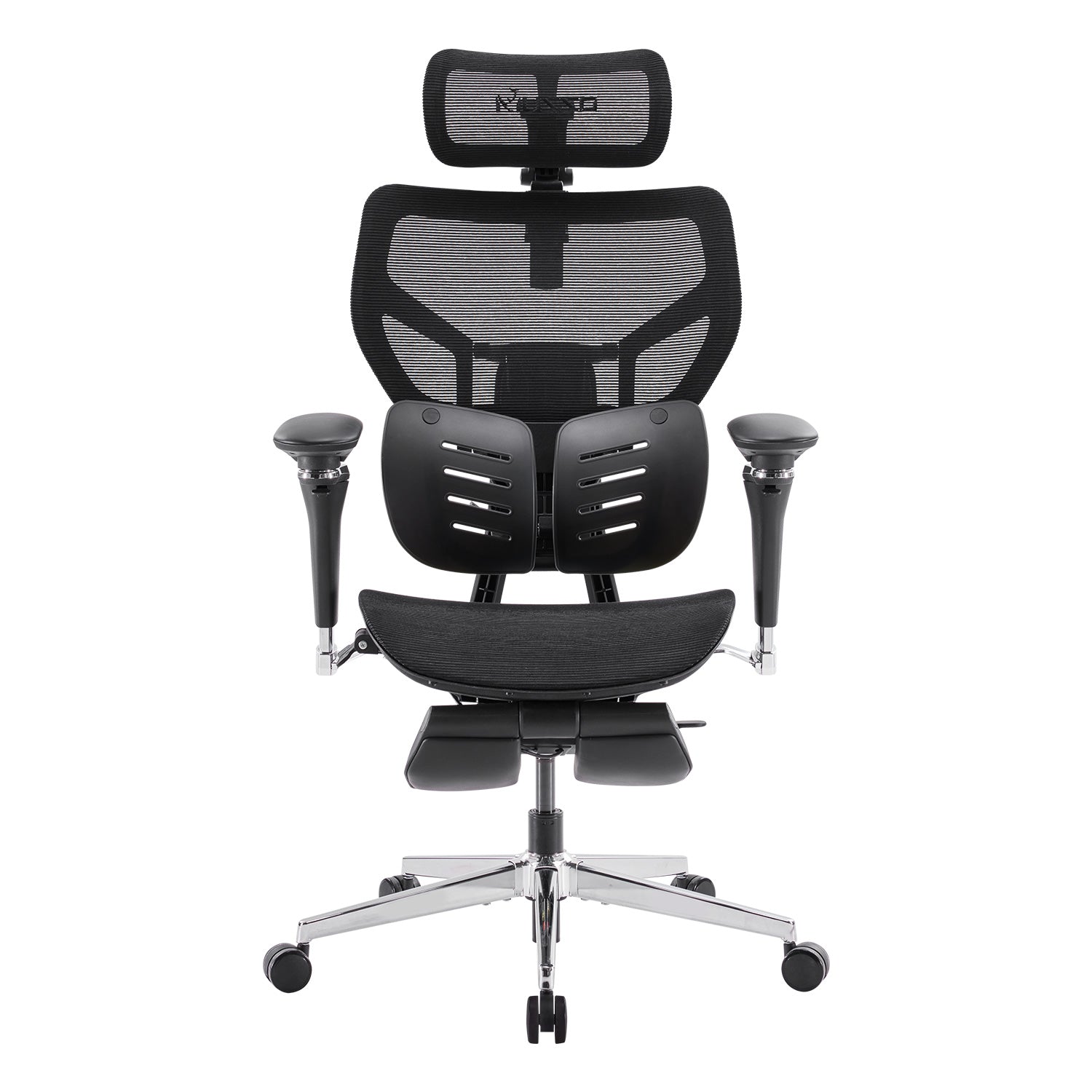
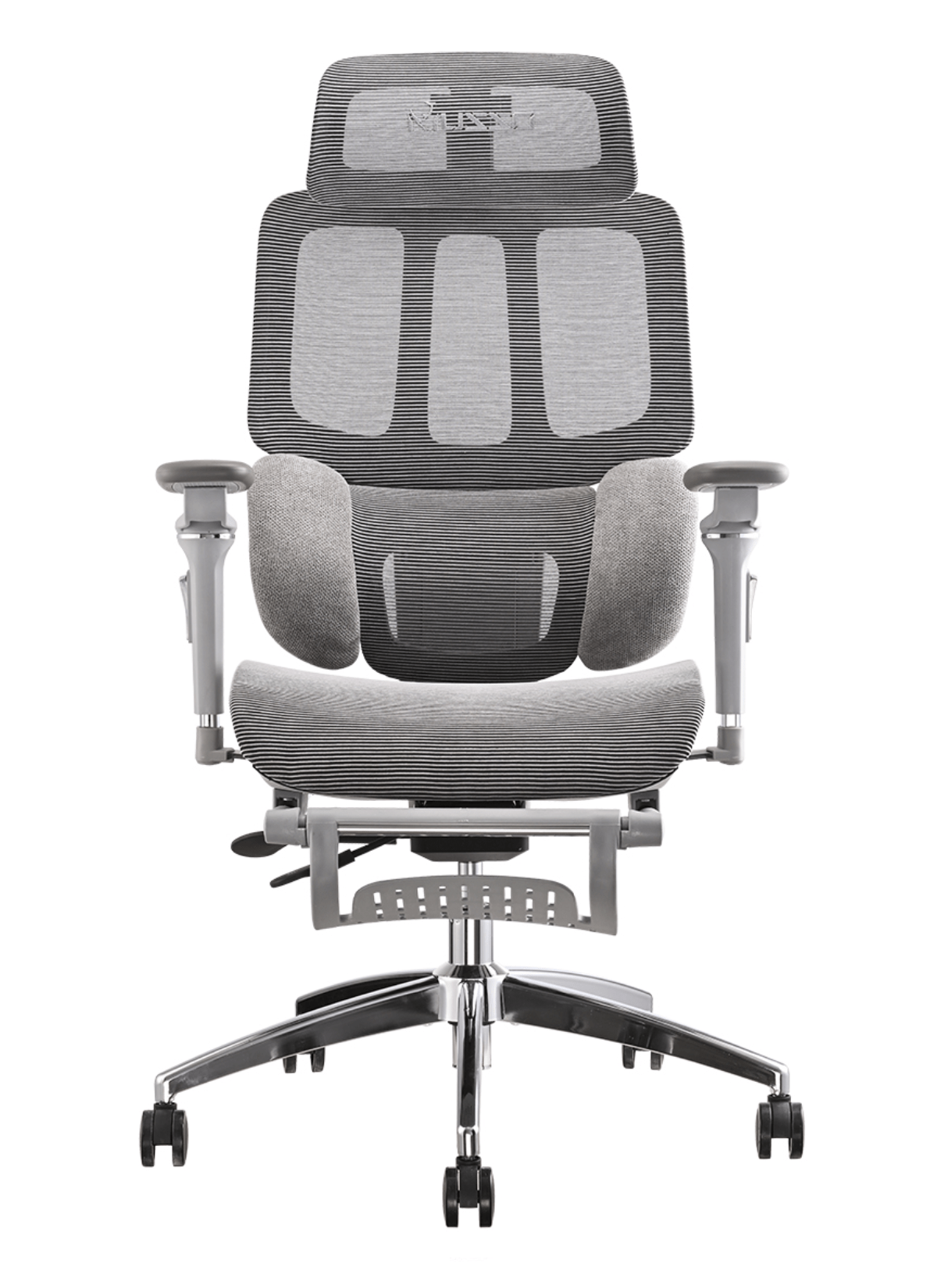
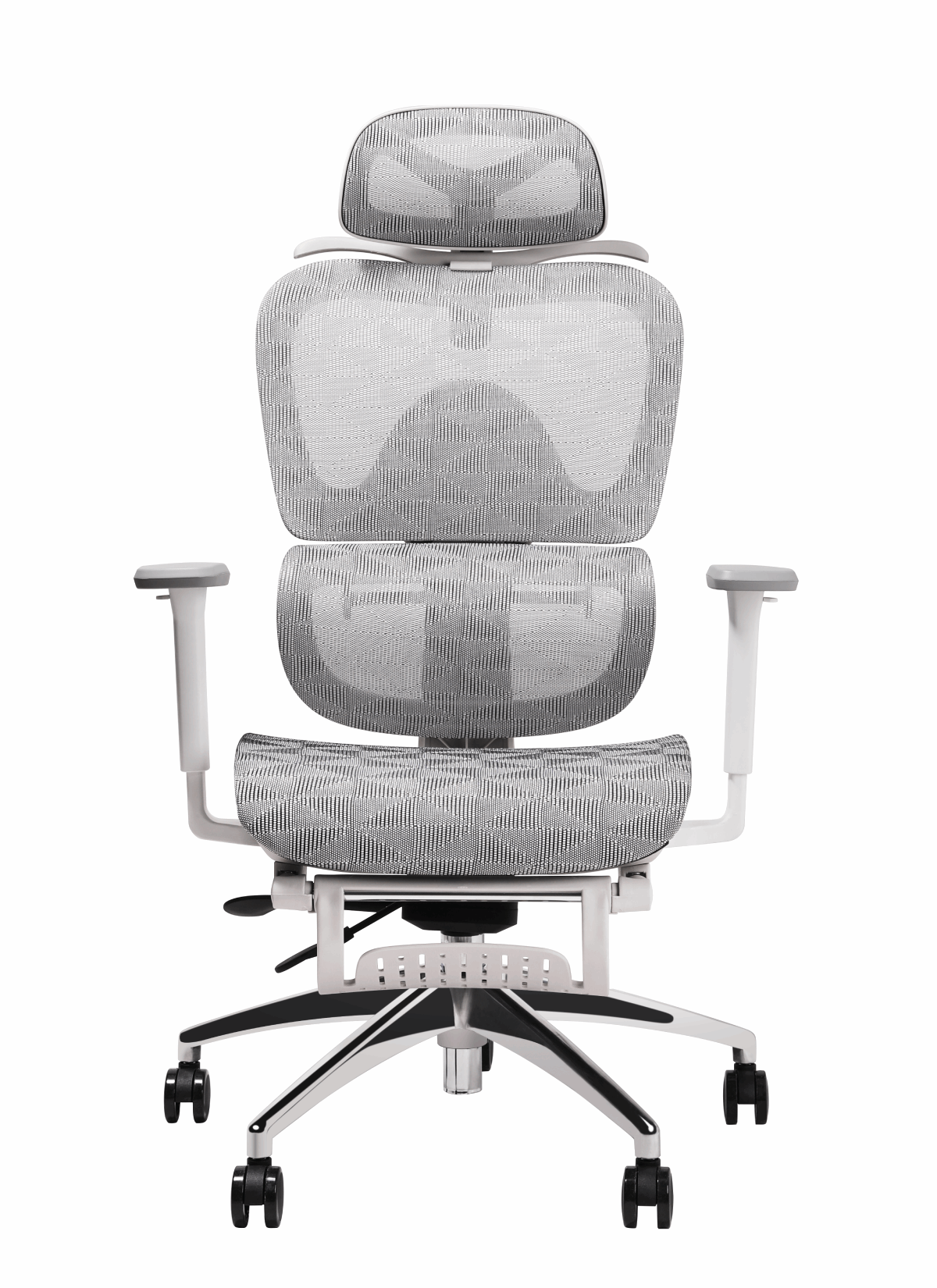
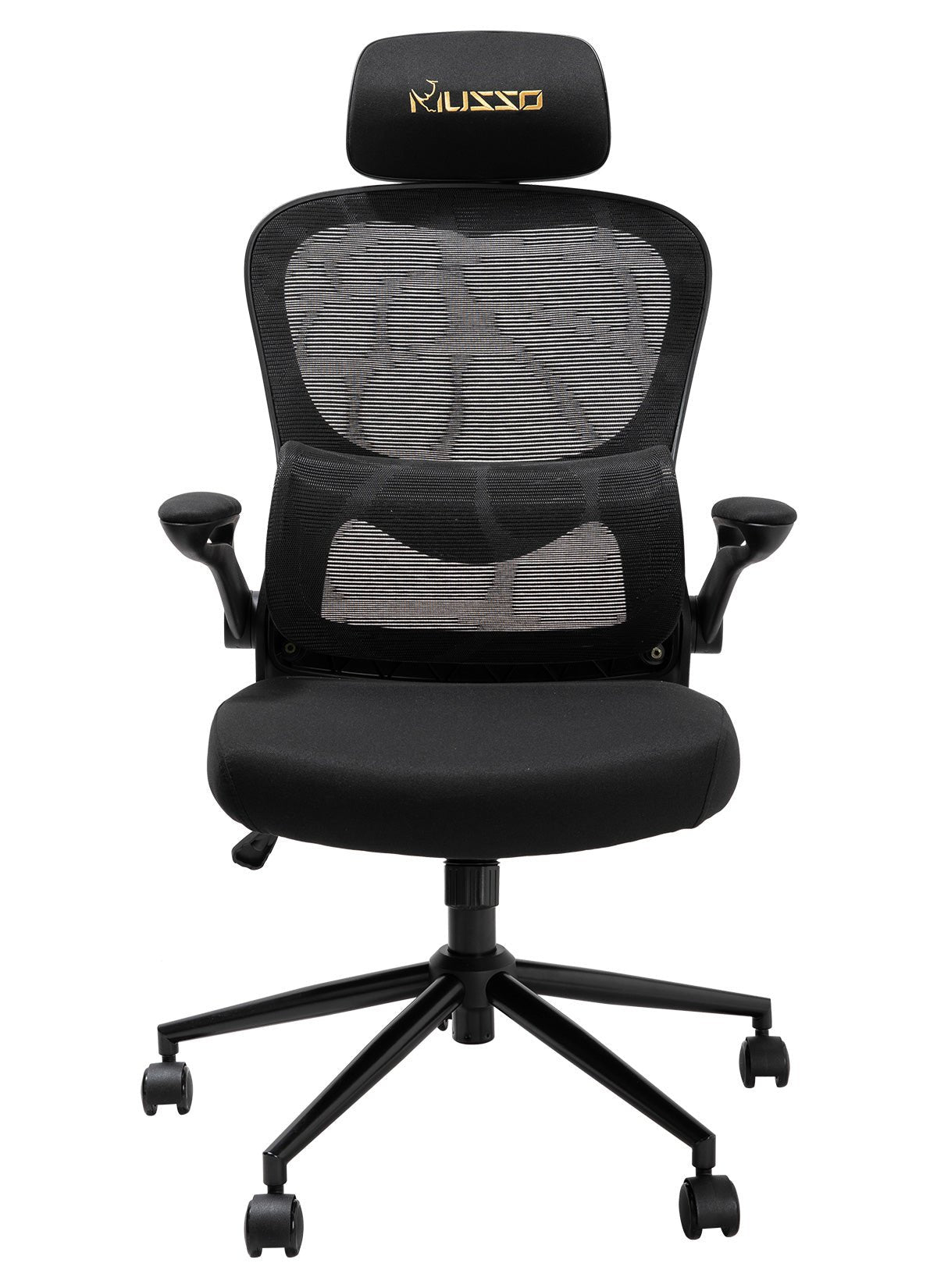




"Prolonged sitting is harmful to your health"—this phrase has almost become a consensus among modern workers. As a result, height-adjustable desks have gained popularity, and standing desks have become the new trend. From "sitting" to "standing," it seems that we have found a shortcut to escape the health trap.
So, from a health perspective, which is better: a standing desk or a seated desk? The answer may be much more complex than you think.
Seated Desks: The Price Behind Convenience
Seated desks are our most familiar old friends. However, prolonged sitting can quietly send warning signals throughout your body:
1. Slower Metabolism
When sitting for long periods, muscles remain almost inactive, reducing calorie burning and affecting blood sugar regulation.
2. Cardiovascular Pressure
Long periods of inactivity can increase stress on the cardiovascular system.
3. Musculoskeletal Problems
Forward head posture, lumbar muscle strain, and herniated discs have become common problems among those who sit for extended periods.
Multiple large-scale epidemiological studies have confirmed a positive correlation between sedentary time and the incidence of all-cause mortality, cardiovascular disease, and certain cancers—and this risk exists independently of physical activity levels. In other words, even if you go to the gym after work, sitting for eight consecutive hours during the day can still negatively affect your health.

Standing Desks: A Cure or Another Trap?
Standing desks do offer certain benefits:
- When standing, leg muscles maintain slight contractions, which can help promote blood circulation in the lower limbs.
- Standing may help improve blood pressure, insulin sensitivity, and triglyceride levels.
- It can help relieve chronic back pain, as well as neck and shoulder stiffness.
However, these benefits are often overestimated.
First, the calories burned while standing are relatively minimal. More importantly, simply standing does not eliminate the negative effects of prolonged sitting. A large study published in 2024 found no significant association between prolonged standing and the risk of cardiovascular disease. In other words, standing still is just another form of inactivity, similar to sitting still.

The Other Side of Standing Desks
If you think that standing for longer periods automatically means better health, you may be mistaken. Prolonged standing can also bring potential health risks:
1. Varicose Veins and Leg Swelling
Standing for more than two hours a day may increase the risk of varicose veins by 11%.
2. Increased Blood Pressure
Prolonged standing can cause blood vessels to constrict, increasing the burden on the heart and potentially raising blood pressure.
3. Postural Discomfort
Suddenly sitting down or lying down after standing for a long time can easily cause dizziness and blurred vision, which is a manifestation of orthostatic hypotension.
Therefore, prolonged sitting is harmful, and prolonged standing can also be harmful—both are extremes of a "static posture."
So, Which Type of Desk Is Better?
The answer is: Don’t stick to either one.
The real health solution is not an either-or choice, but rather alternating between sitting and standing while dynamically changing positions.
Experts generally recommend switching between sitting and standing every 30–60 minutes and using those intervals to walk around or stretch. This approach is far more effective than maintaining a single posture for long periods.
Furthermore, getting up and moving for 2–3 minutes every hour—even simple activities like getting a glass of water or climbing a flight of stairs—can significantly improve blood sugar control and vascular function. This is known as an "active snack."

How to Make the Most of Both Desk Types to Truly Benefit Your Health?
If you already own or are planning to buy a height-adjustable desk, try the following:
- Choose a height-adjustable desk and ensure your elbows are positioned at a 90° angle when seated, while the top of your screen is at eye level when standing.
- Set a reminder to change your posture every 30 minutes. You can use a Pomodoro timer or your phone as a reminder.
- Pay attention to details when standing: Wear supportive shoes and use a footrest if needed. Keep your knees slightly bent and shift your weight between both feet.
- Stay "dynamic" while sitting: Avoid completely slouching in your chair. Use the backrest for support and move your neck occasionally.
- Choose your position based on the task: Sit when you need deep focus for writing a proposal, and stand when you are on a conference call or quickly responding to emails.
There’s No Perfect Desk, Only Smarter Usage Habits
The key to health is not about sticking to one posture, but about breaking periods of stillness and constantly changing and moving your body.
Starting today, stop worrying about whether you should stand or sit. Instead, ask yourself:
"When was the last time I changed my posture?"
This small shift in mindset may be more valuable than buying any expensive desk.
Movement is the best "desk."

